
By Giannira Giunti
Guiding Pumas through their growth can bring up a wide range of emotions. There is pride when they try something new or solve a problem independently, but also uncertainty when they struggle, make a choice that may not work out, or face a disappointment we wish we could spare them.
In those moments, I find myself thinking about the balance between wanting to make things easier for them and giving them room to find their own way.
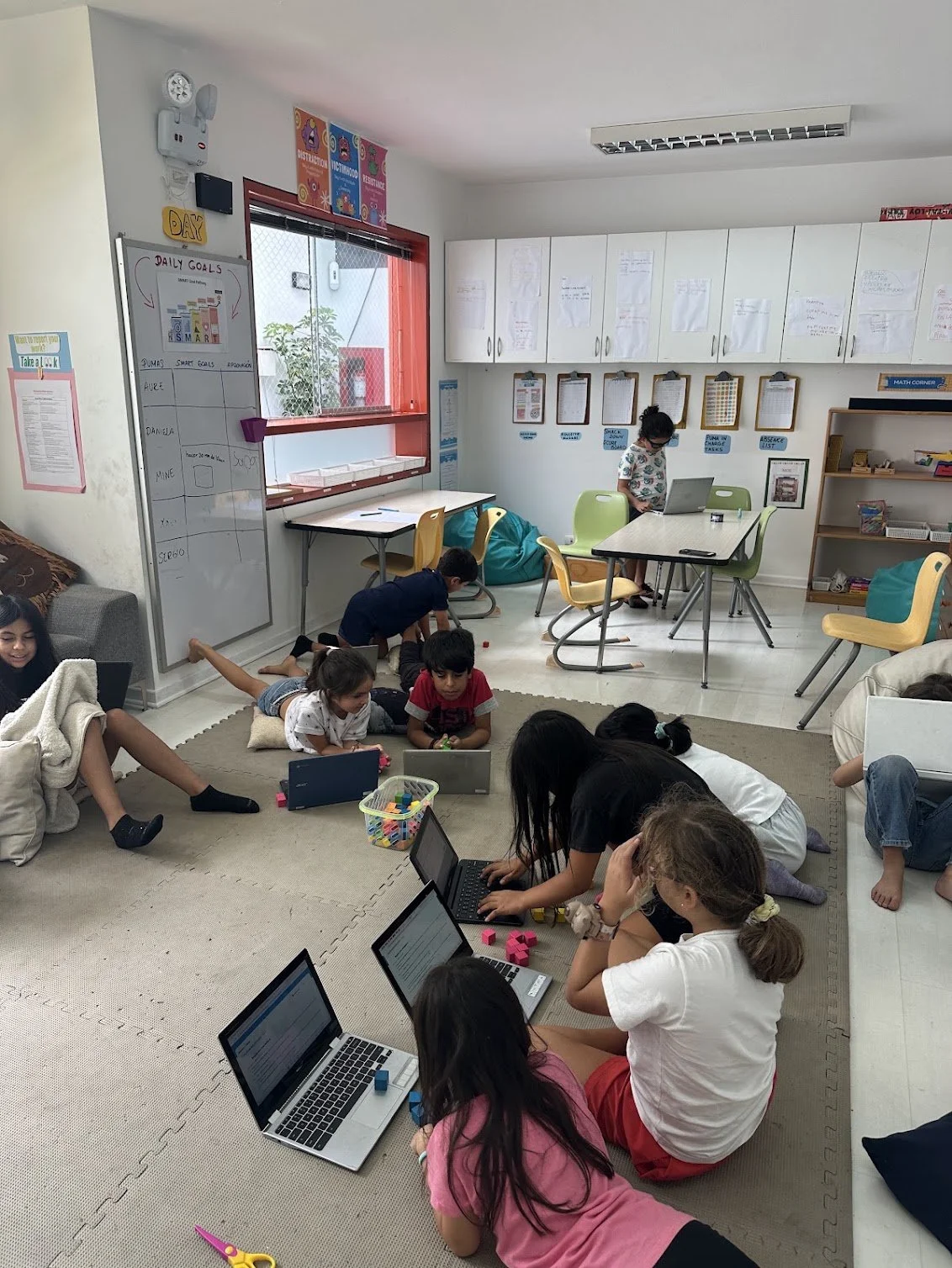
I imagine many families know this feeling, too. You see your Puma struggling, and even when you know they are capable of finding a way forward, watching them go through it is not always easy.
You might have a solution ready, a suggestion that could help, or a way to prevent the situation from becoming more difficult. And sometimes, stepping in feels like the most natural thing to do. After all, why let someone you care about struggle when you can help?
Yet I often wonder what happens when we solve something before a Puma has had the chance to try. What might they discover by working through the problem themselves? What happens when they make a decision, experience its consequences, and begin to understand what they might do differently next time? Allowing these moments where a Puma needs to figure things out can open possibilities we could not have planned for them.
I find this particularly challenging when emotions are involved. It is one thing to hold an agreement when everyone is comfortable with it. It is another when a Puma feels frustrated or disappointed by a decision.
As a guide, I sometimes find myself thinking about how to acknowledge those feelings while remaining consistent with an agreement. I learned that listening does not always mean changing a decision, just as holding a boundary does not mean ignoring someone's perspective.
Still, staying present when a Puma is upset can be uncomfortable, especially when part of us wants to make that feeling go away.
These moments also make me curious about our own reactions as adults. When a Puma struggles, we are responding not only to what is happening in front of us, but sometimes to what we imagine might happen next.
Perhaps we want to spare Pumas a disappointment we know too well. Our intentions may come from care, but our own experiences can shape what we see as a problem and what we believe needs to be fixed.
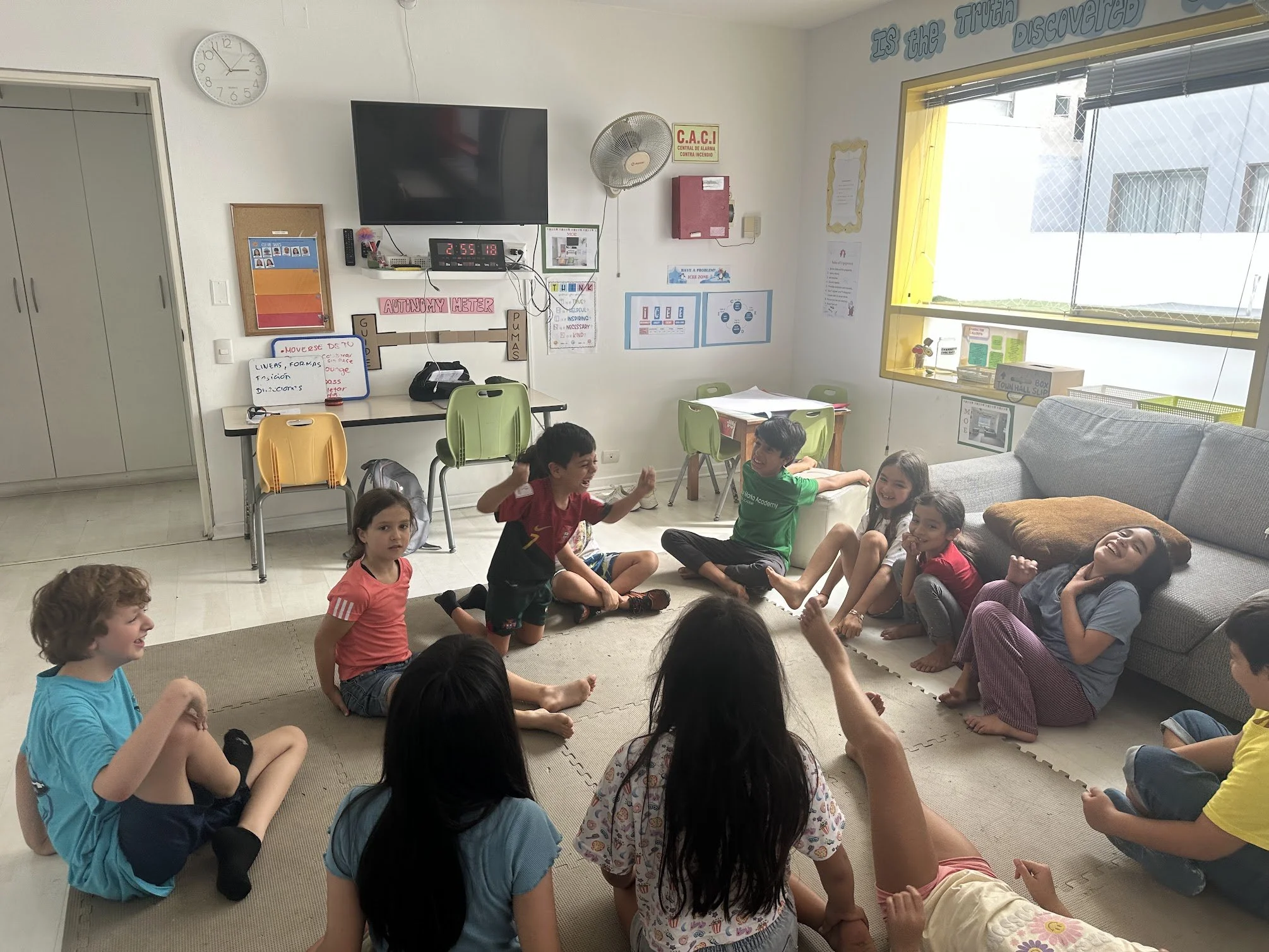
In my daily experience at Tinkuy, these questions keep returning in different forms. Sometimes, a conversation helps a Puma see a situation differently. Sometimes, they need time before they are ready to reflect. And sometimes, it takes several attempts to find a way forward. I cannot always know what a Puma will take away from a particular experience, or when something will begin to make sense.
I find myself learning to pay attention to what is happening without expecting every situation to lead to an immediate realization.
Perhaps this is one of the more challenging parts of accompanying growth: accepting that caring deeply means holding boundaries, listening, and remaining close without determining every outcome. And while we make room for Pumas to discover their own ways of navigating the world, we may discover something about ourselves, too.
When you see your Puma struggling, what is the first feeling that comes up for you? How do you decide when to step in and when to give them more room? And what might change if, instead of trying to make every difficult moment easier, we allowed ourselves to stay curious about what could emerge from it?