By Ines Kudo
It's been over a year since I wrote this post, reflecting on what it means to become an irrelevant Guide: resisting the urge to rescue, asking instead of answering, trusting learners to navigate challenges, and gradually handing over ownership of their learning and community.
This year, I continued to delegate more and more responsibilities to my learners, to the point that they basically only need me to curate content. They take it from there.
It's not perfect, but it wasn't perfect when I was in charge of all those things either. Still, things work better now because they own their studio, and I find that they keep asking for even more responsibilities. The last one: making their own badge pins.
Last session I was out sick for over a week, and not once was I worried about what my learners would do in my absence: whether chaos would ensue, whether they would stop working, or whether someone might get hurt. I trusted they would do what needed to be done and keep themselves safe. And they did!
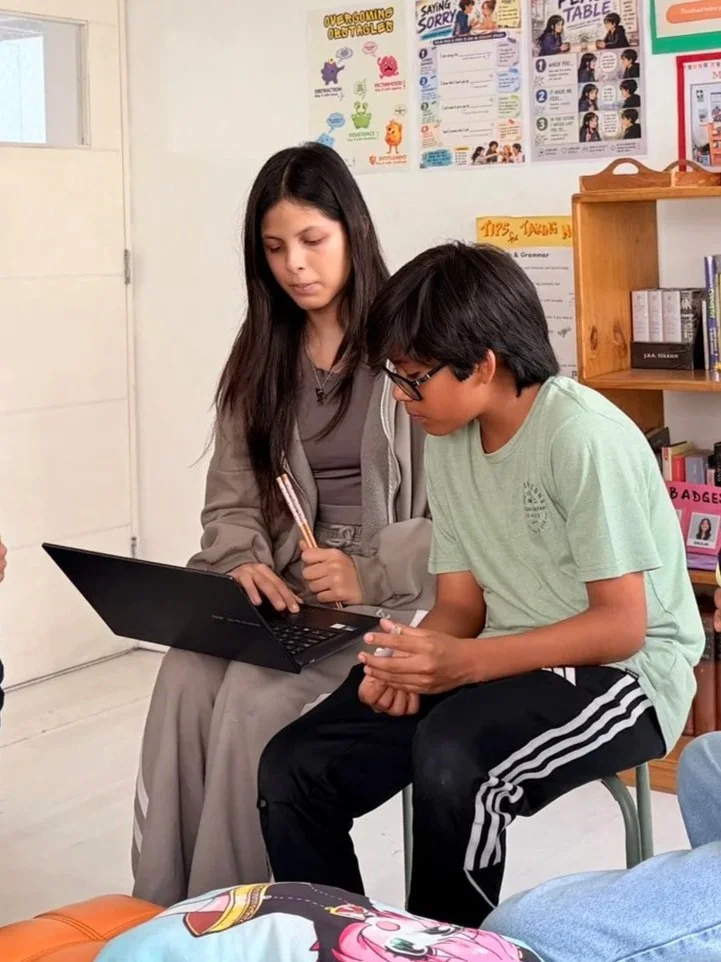
They helped each other in Math almost every day, mentors patiently going over the Servant Leader challenges with a teammate who needed more than one explanation. They helped each other come up with ideas for their Quest challenges, reviewed badges and gave feedback, encouraged peers who were catching up to keep going, took turns leading launches, and made an effort to bring positive energy to discussions. They praised the younger ones for facing their fears and presenting their work in front of Ascend families.
There were also the smaller, everyday gestures that did not go unnoticed. They thanked each other for sharing a computer or laptop stand, offering candy or chocolate, teaching to play yo-yo, or helping find something they had lost.
They didn't shy away from holding each other accountable either. They asked peers to participate more, stop distracting others in the chat, respect limits, and take greater responsibility for the studio. They charged Hero Coins when someone fell short of honoring their promises, and even caught one learner using AI to complete Genre and Quest work, reminding her that this violated the Honor Code.
I didn't see these moments turn into drama, as you may expect when teenagers call each other out. Instead, they recognized and appreciated those who spoke up, gave warnings, and held boundaries when they needed to.
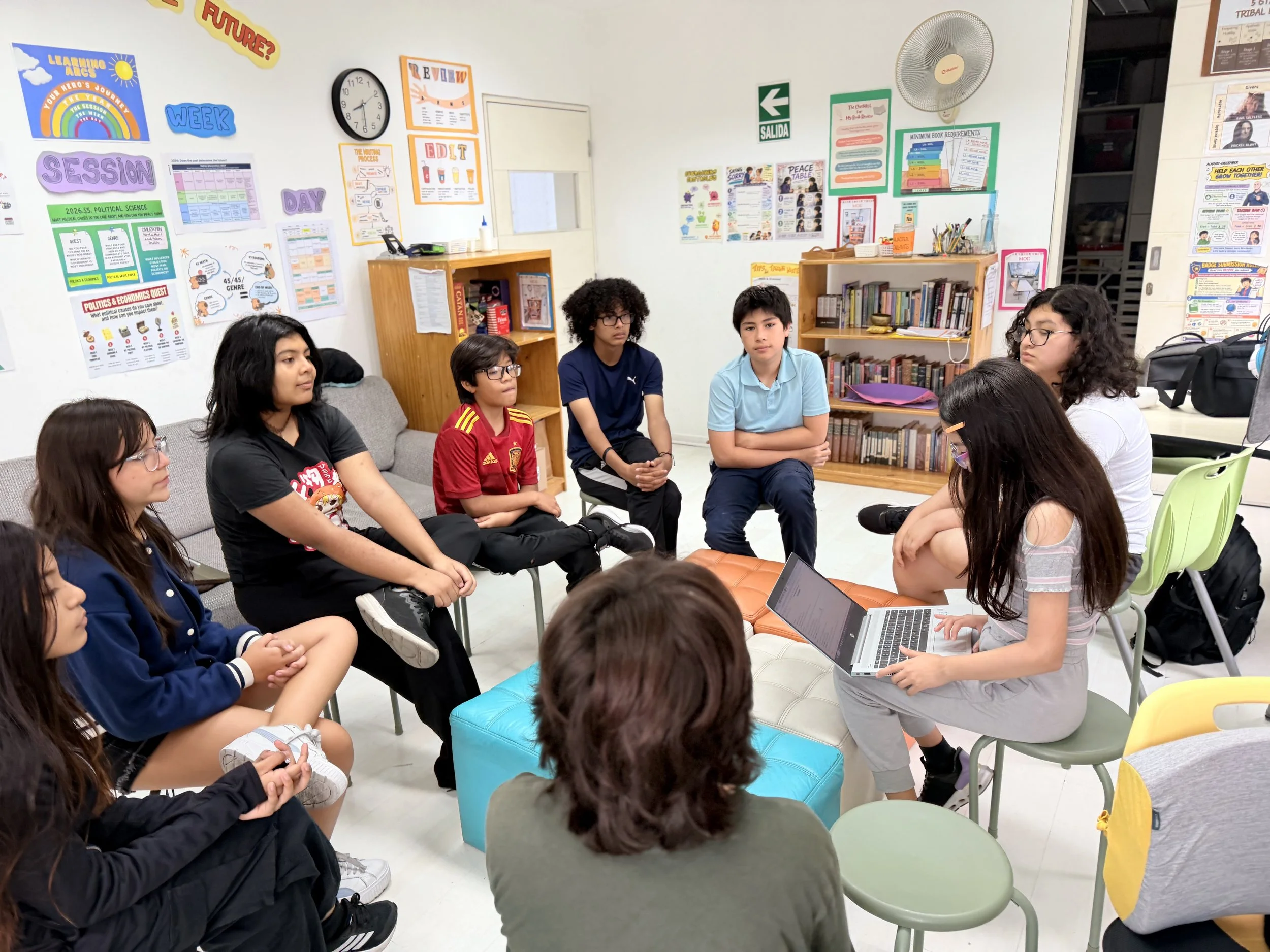
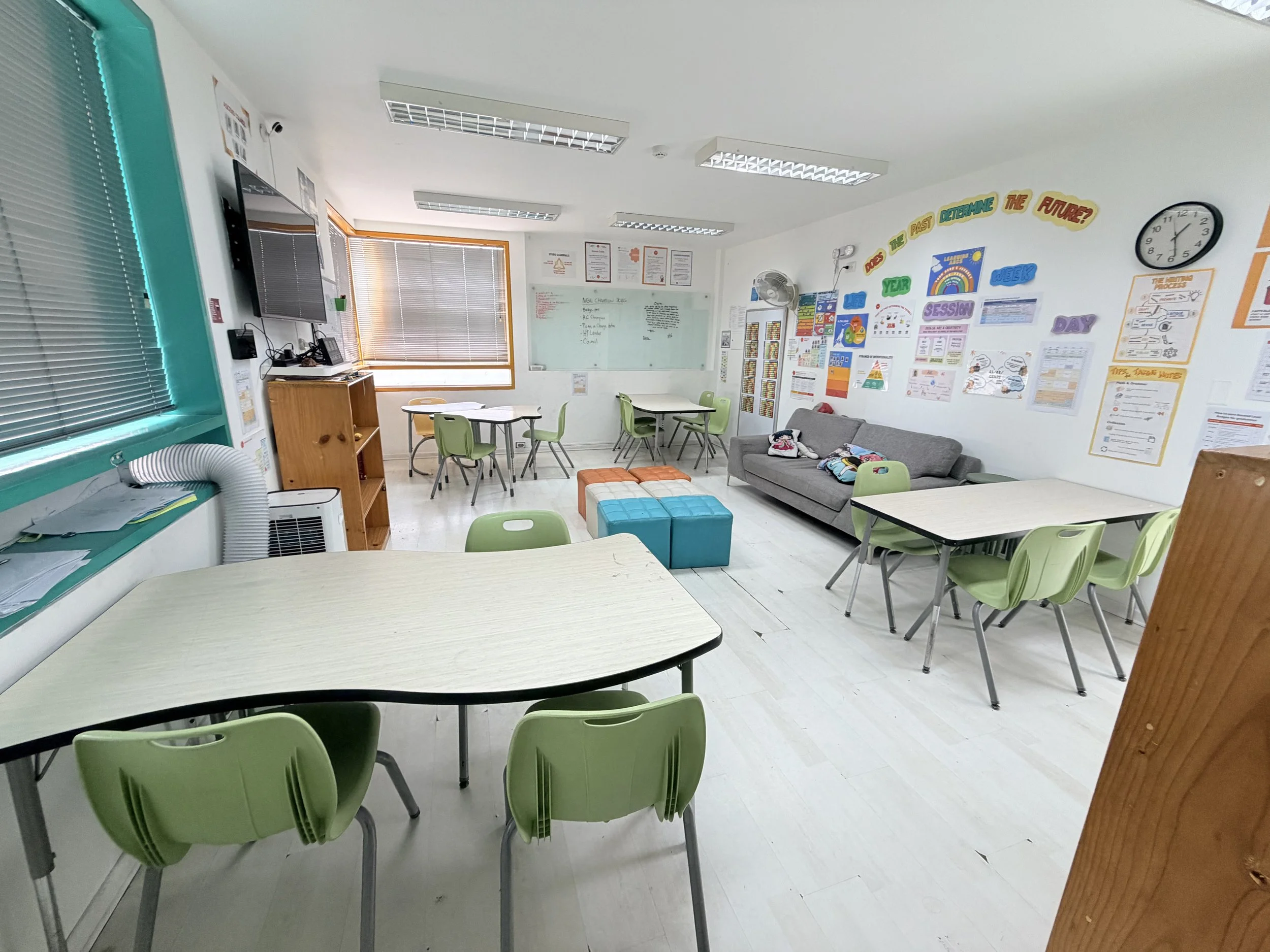
At the end of the session, as I prepared to welcome three new apprentices to the studio, I started thinking about how to arrange the furniture so all 13 learners could fit comfortably. There was only one solution: I had to take myself out of the room.
I asked the Pumas if they would mind if I couldn't be in the room with them. At that point, their answer did not surprise me: “We don’t even notice if you are here or not!” They explained that sometimes I was there, working, and then I was gone.
So I asked whether they felt their studio was better, happier, more relaxed, or perhaps more chaotic and distracted when I wasn't there. They said it didn't matter.
And it is true: when I was there, they behaved the same way as when I was not.
They are learning that owning the studio means caring about the quality of their own work, helping others do better, and being willing to hear when they need to do better themselves.
It made me think back to when I was in school and a teacher was absent or late. I remember chaos: paper balls flying around, fights, jokes, pushing and shoving, and no work being done of course. Conflicts went unmanaged, and anyone who dared to speak up risked being called a snitch or a teacher's pet.
Back then, the idea that a group of learners could carry on with their work, look after one another, and hold each other accountable without a teacher in the room would have seemed quite unlikely to me. I suspect it still seems unlikely to many people who picture a traditional classroom.
At Tinkuy, we see that when we trust learners with more responsibility and hold them accountable for their actions and choices with real consequences, they step up. They don't get it right every time, but they are learning to take ownership even when no adult is watching.
It is not about external discipline or punishment, but about trust, respect and support. Having higher expectations for them inspires them to live up to those expectations. Because we believe they can, they believe they can too. And we all act accordingly.
That's what becoming irrelevant is really about: reaching a point where the tribe no longer depends on you to be there for it to work.
The new studio is ready. No place for me in it. No need for it either.