
By Yassira Huarcaya
Do you remember the blog post from a few years ago about a young newcomer who arrived and turned the established order upside down? Well, that is what happens when younger newcomers arrive to Tinkuy. You can revisit that story here.
But what happens when these newcomers settle down and grow up? When they make Tinkuy a little more their own, adding their essence, their rules, and their opinions to the culture of their studio?
What happens when Tinkuy starts to reflect more who they are and what they bring? When the studio that welcomed them begins to take shape around them and accompany them on their journey? And what happens when it is time to welcome new, younger arrivals?
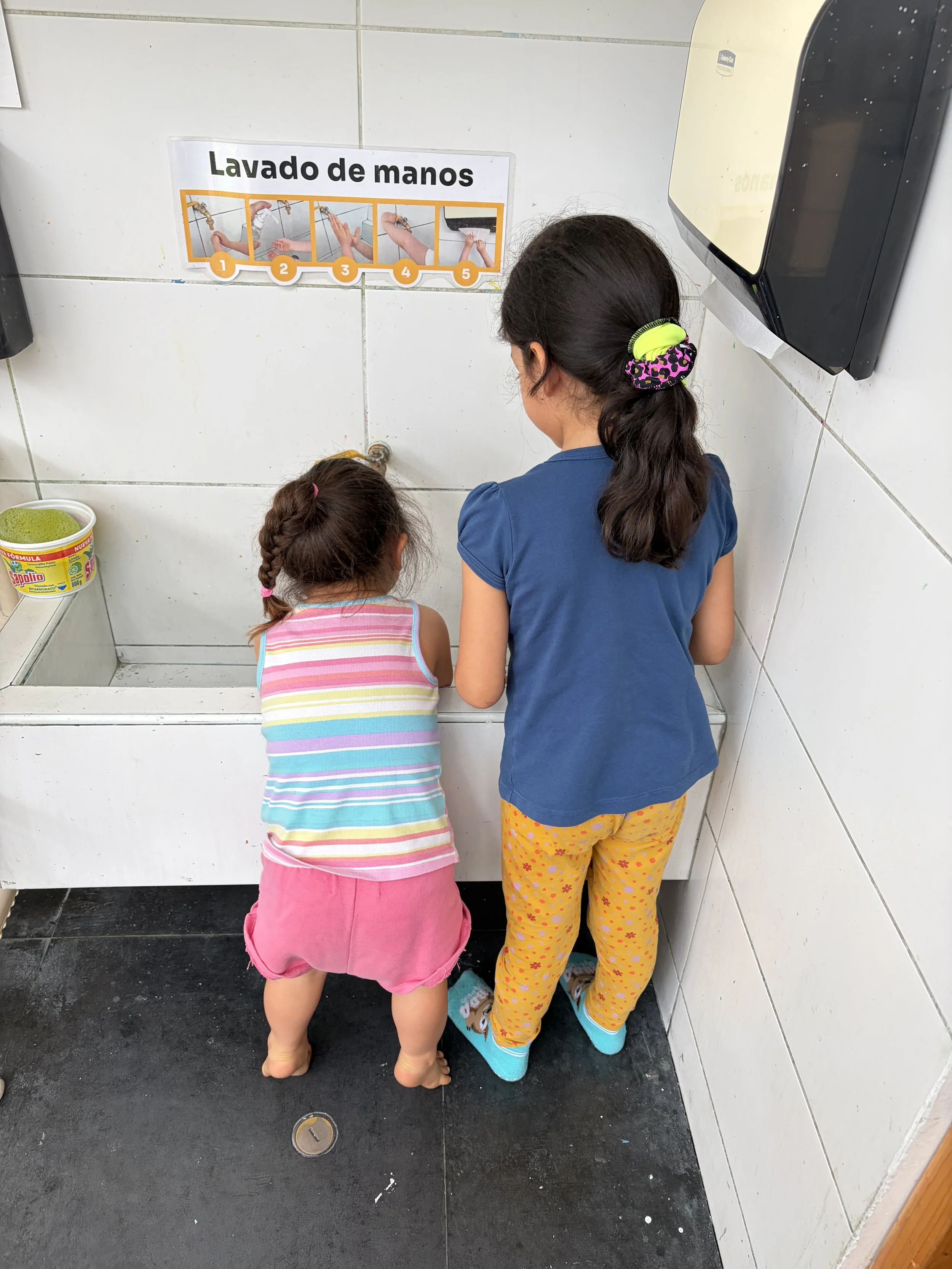
The cycle of change in our studios is predictable, but each Hero responds to it differently. We may observe rejection, understanding, acceptance, empathy, and curiosity.
Rejection, because sometimes the thought of changing or modifying something familiar feels overwhelming or exhausting. The arrival of someone who has the power to shift known dynamics and rhythms is scary.
Understanding and empathy, because we remember going through something similar ourselves, and the way we were treated shapes the path we want to follow.
Acceptance, because the tenderness of the very young newcomers is simply overwhelming, and some Pumas feel the need to welcome them and walk alongside them.
Curiosity, because growing up does not mean having to leave everything behind. Sometimes, we want to return to what we already know. Sometimes, it gets tiring to keep up the “I’m a big kid now” attitude and insist that “those are baby things.”
And all of that is okay. Everything we feel allows us to face situations in different ways, opens up new possibilities, and confronts us with a reality we thought we had already left behind.
When it comes to accompanying new arrivals in Tinkuy (or Spark, in this case), there is something that stands the test of time: play. Play allows children to connect with one another and freely find common ground.
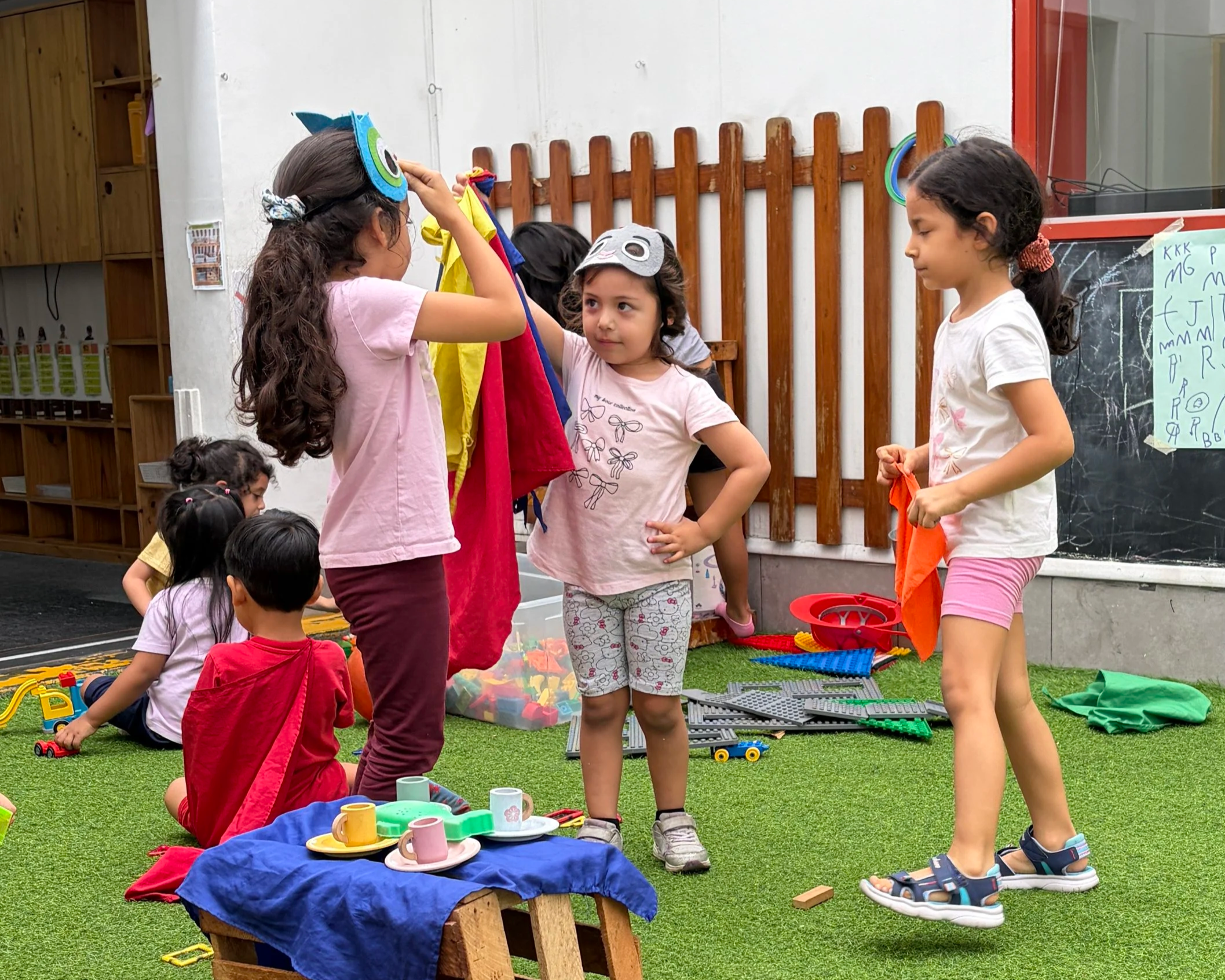
The other day, I watched the main character from the first story, now one of the oldest in the tribe, approach one of the youngest Pumas. He offered to play with her and two other young Pumas. Her face lit up with amazement and excitement at the thought that one of the “veterans” of the tribe wanted to play with her and her friends.
The older Puma’s offer was full of empathy, negotiation, and genuine interest. The game went on for quite some time, and so did the excitement.
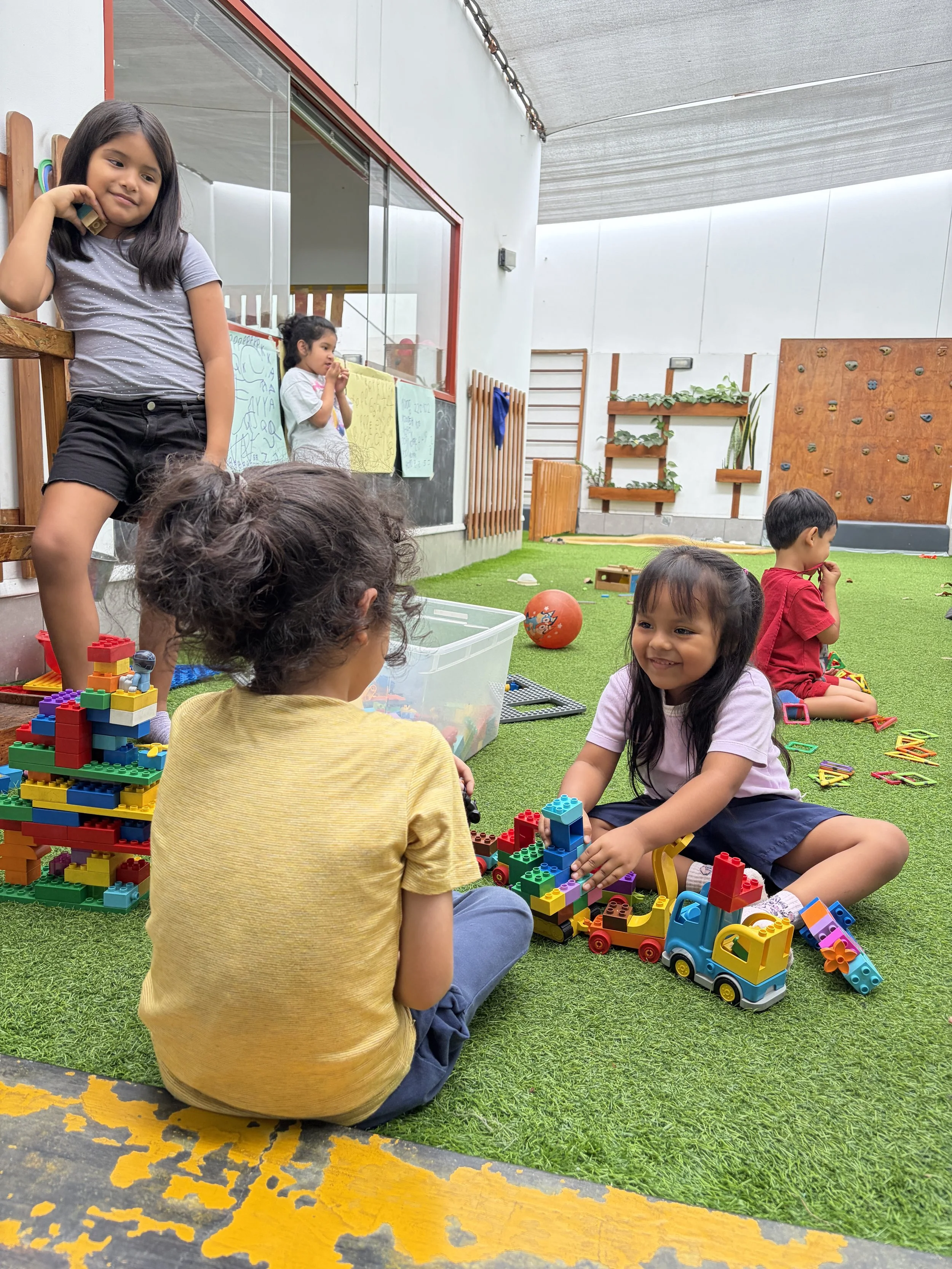
Here is their conversation (OP: Older Puma / YP: Young Puma):
OP: Can I play with you?
YP: (A look of amazement.)
OP: I know I’m big, but I could be the monster.
YP: (A look of amazement and excitement.)
OP: Or maybe a zombie! I promise I won’t run too fast, so you can run away.
YP: (A look of amazement, excitement, and happiness.)
OP: So, can I play?
YP: Yeeeees!
Over the years, I have watched Pumas go from newcomers to becoming the rulers of the planet.
The cycle repeats itself year after year, in every studio, in different ways and with different reactions. Yet the desire to reconnect remains: the desire to return, without fear, to something familiar, something that once made us feel safe, something we know and that makes us happy.