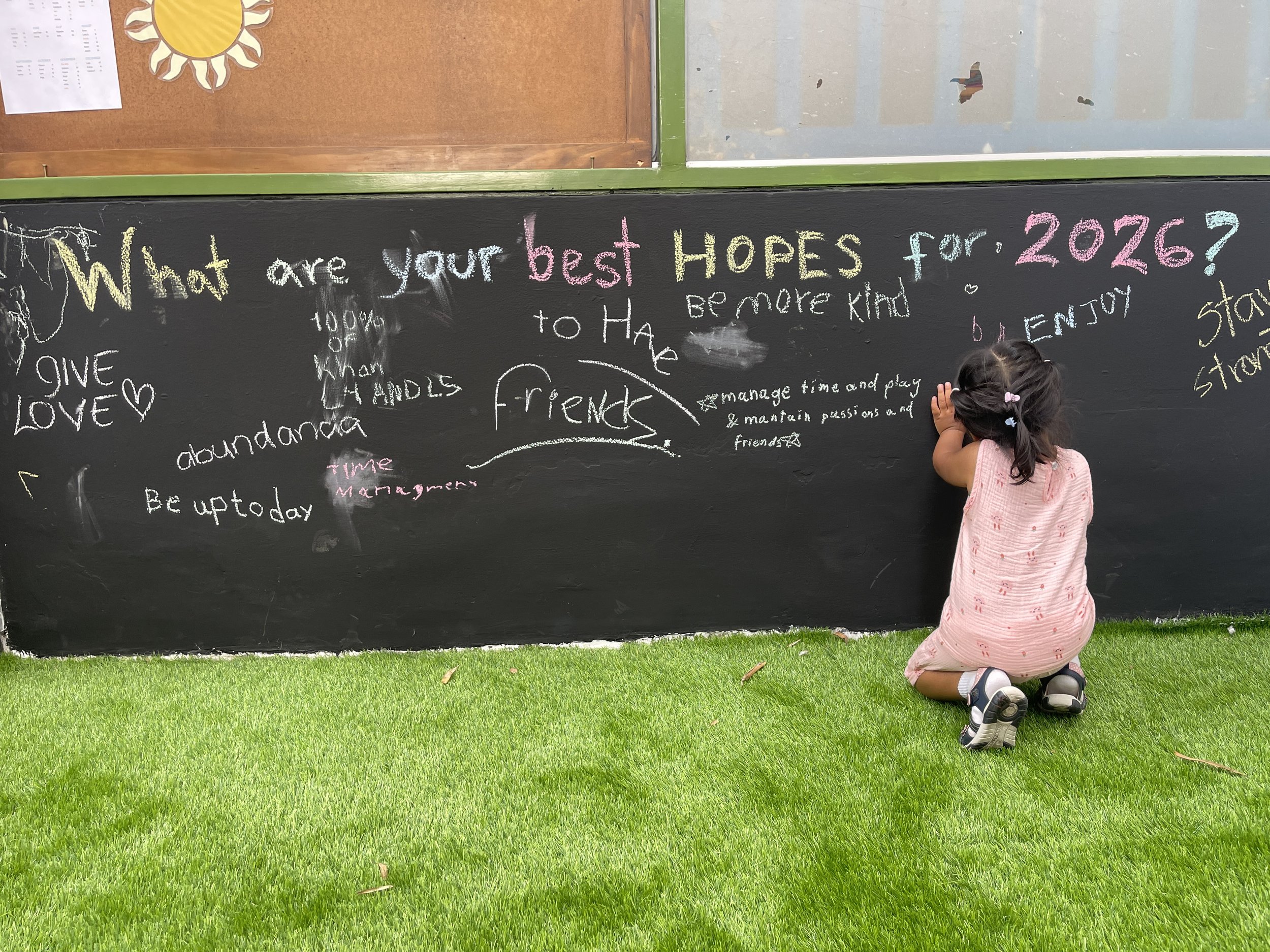
By Ines Kudo
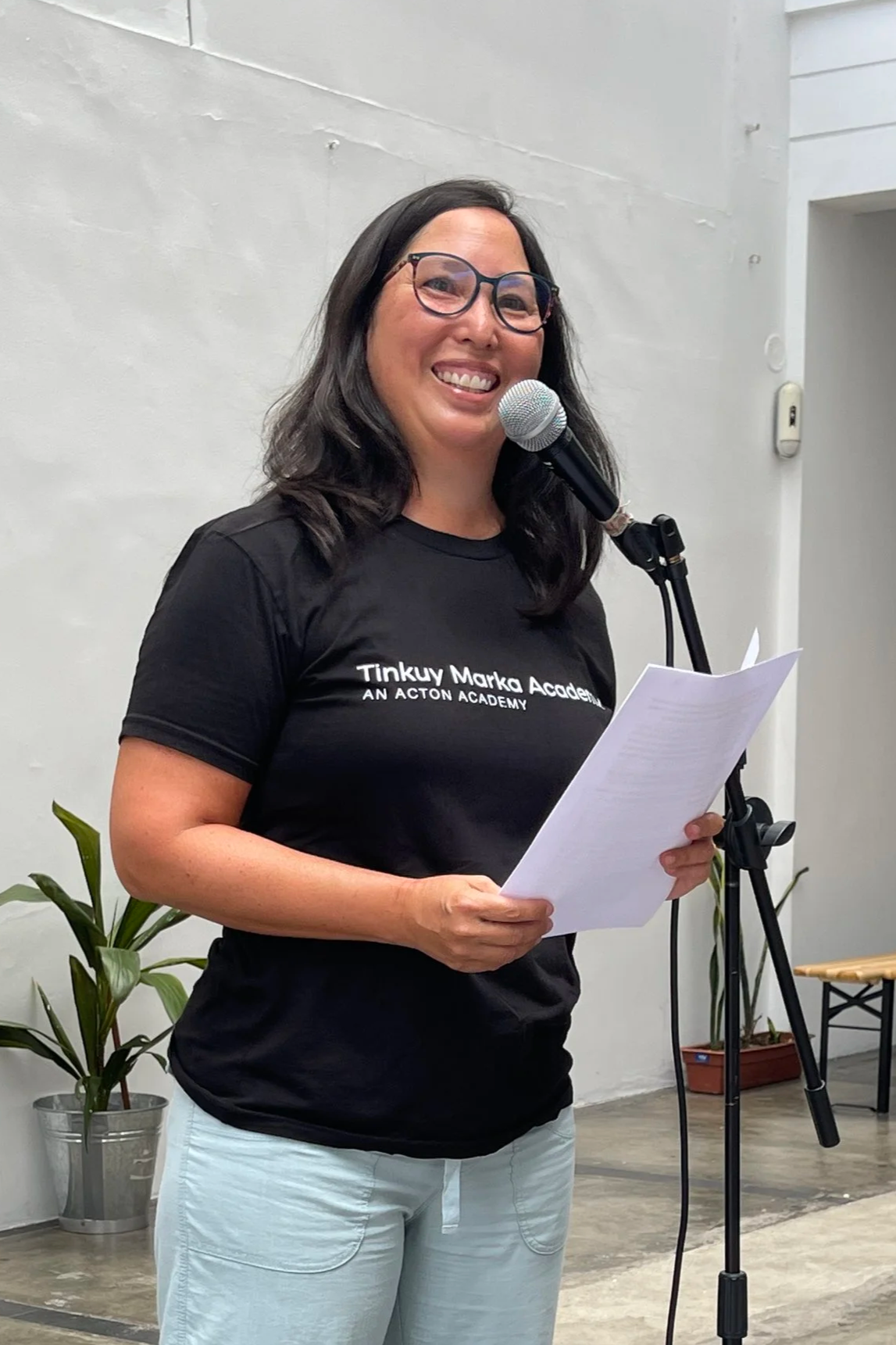
Good afternoon, beloved community. How wonderful to see each other again and feel this start of the year with so much energy.
We begin Tinkuy’s ninth year with something I don’t take for granted: continuity and growth. More families joining, more Pumas finding their place, and that really beautiful feeling that we are building something real, together.
So, I ask you to join me in giving a warm welcome to our new families and Pumas.
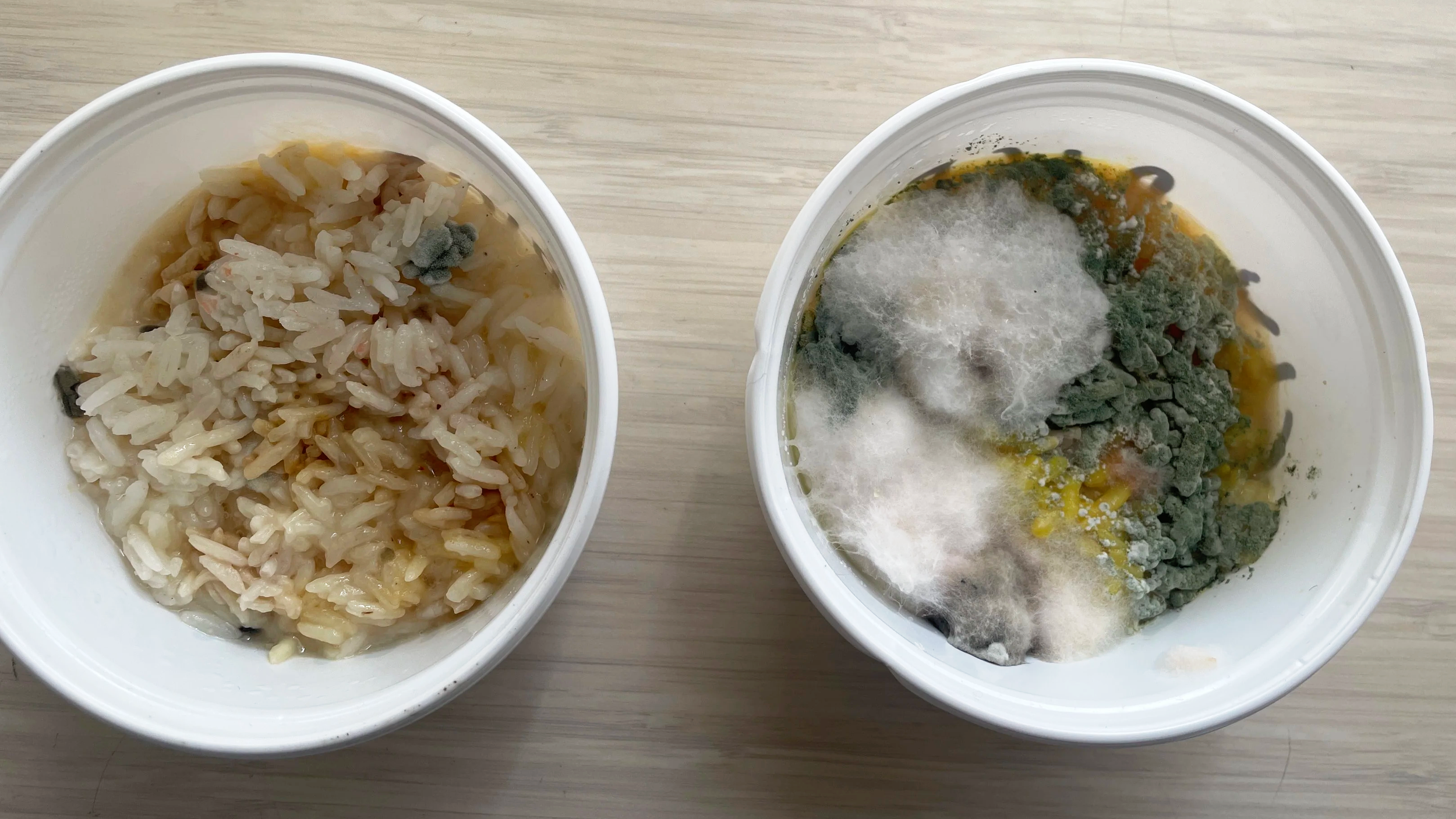
Last year, the Discovery Pumas did an experiment with cooked rice. Two identical jars. To one, they spoke with gratitude and affection: “thank you”, “I love you”, “it’s so good to see you”, “you can do this”. To the other, they spoke with annoyance, anger and contempt. The reference came from an experiment popularized by Masaru Emoto: the idea is that affirming words can “take care of” the rice, and negative words make it deteriorate faster.
The result was intense. The jar they spoke to harshly really rotted and filled with mold. The jar they spoke to nicely stayed white… even though it was no longer edible.
The most powerful thing was what this experiment triggered in them. They kept thinking about how complaining and annoyance not only damage the environment… they also damage us on the inside. They even connected it to the physical, saying things like: “So when we complain so much about our lunch menu, the food sits worse with us.” They said it with surprise, but they had discovered a truth: the body listens.
We have gone through tough moments to get to where we are today. And more than once last year, in the deep cave of our hero’s journey, I doubted my strength, and my faith wavered. That’s when I borrowed conviction from you: from the Pumas and Mapaches who love this project. And today I can say it calmly: we emerge transformed. Myself, transformed. Tinkuy, transformed. Our community, transformed.
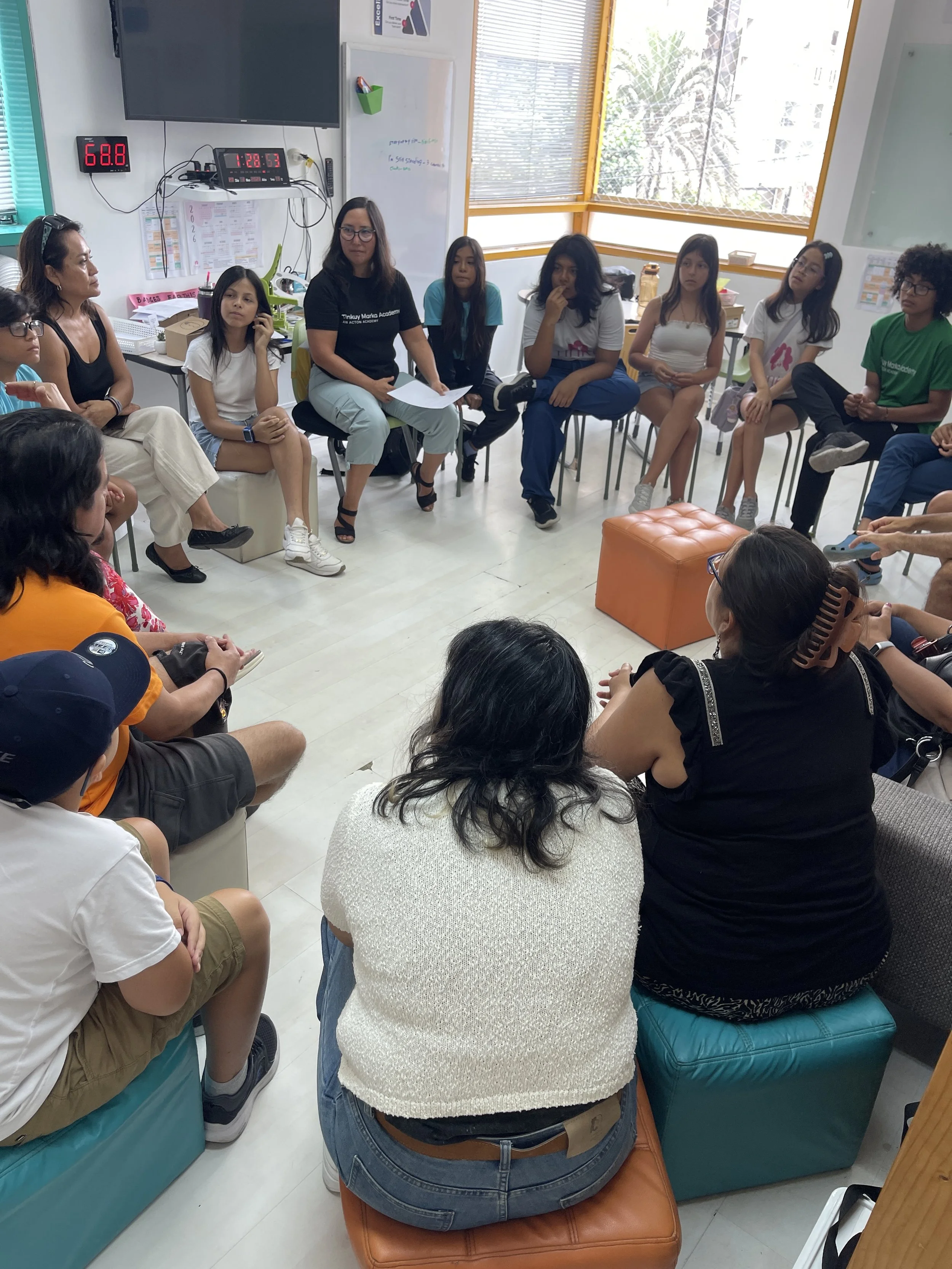
A big part of that transformation had to do with something simple, but powerful: words. Your words in key moments. Words of gratitude and appreciation. Words bursting with joy. And also that growth that shines through when a Puma chooses words to comfort someone who is crying. The words they choose to reflect on their week, their challenges, their lessons learned. The careful words they use to encourage and give feedback to others. Words that uplift.
What we have here, the world really needs more of. Day to day out there, in the street, in politics, in the media, on social media, our children, and us too, are exposed to so much negativity. Hurtful, discriminatory, dismissive, angry words. And especially girls and women: gratuitous violence, increasingly amplified by the internet. Those words no longer come only from our neighborhood; they come from all over the world.
That’s why, today more than ever, we have to build our inner strength, and to strengthen each Puma with words that lift them up, encourage them, empower them, and remind them that they are important and that they belong. Words that show them clear, firm boundaries with love and respect so they can do the same for others.
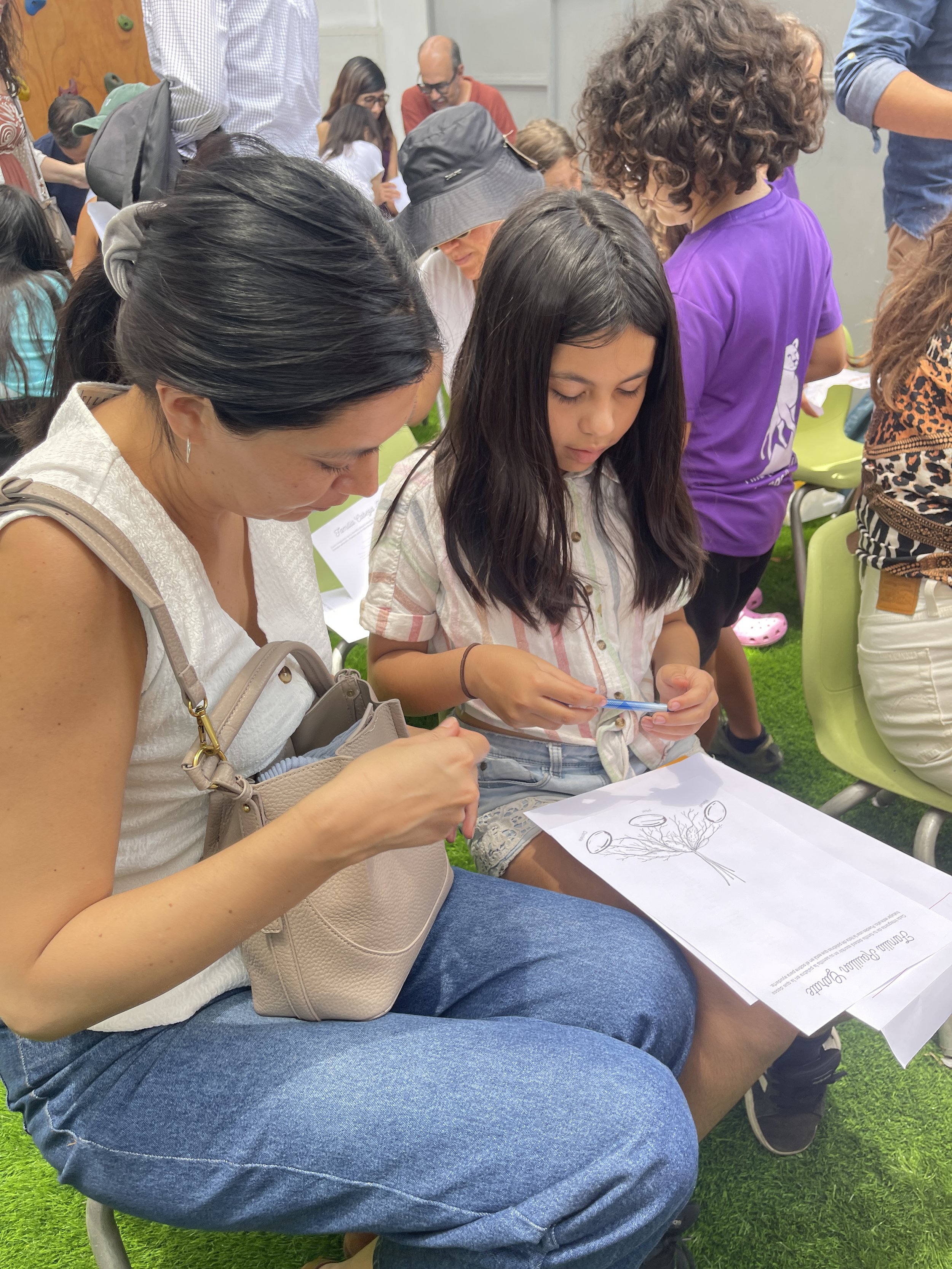
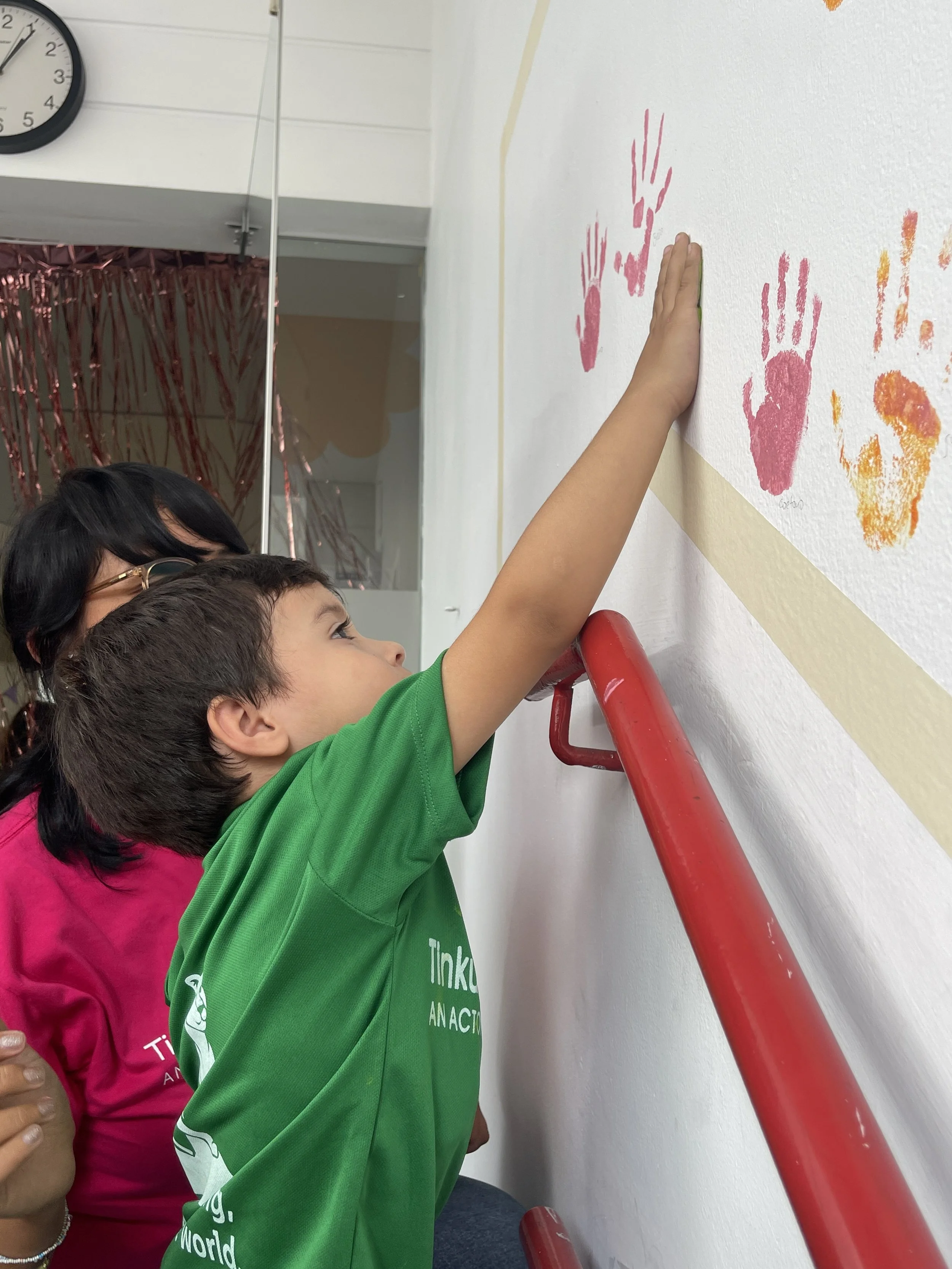
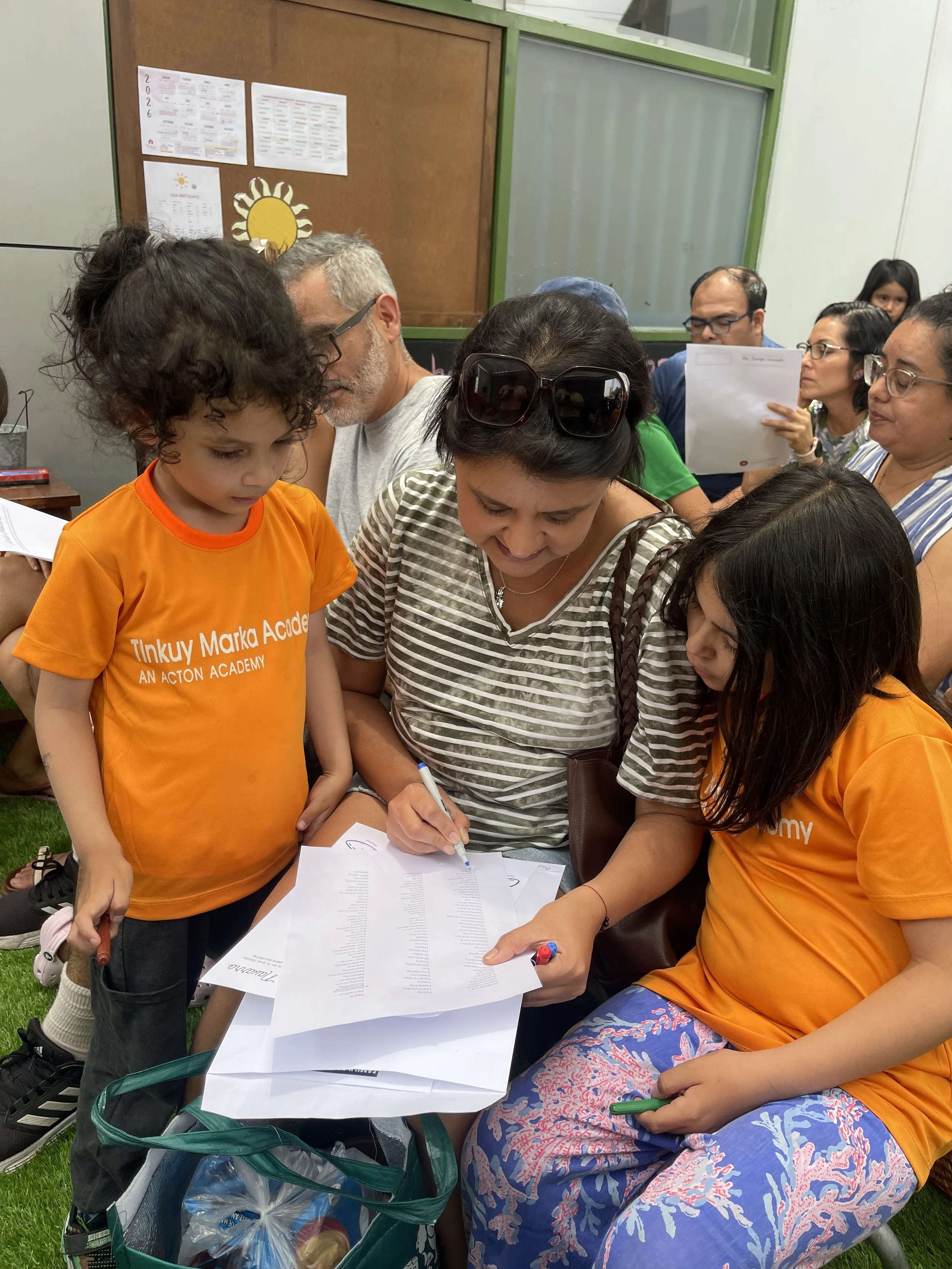
Let’s try to choose words that clarify and care. I know it’s not easy. No one has the strength and clarity to have the precise word at every moment. It’s also hard for me to choose my words well when the situation overwhelms me. In fact, this has been (and continues to be) one of my biggest challenges. Over the last 9 years of my life, the Tinkuy community, past and present, guides, Pumas, Mapaches, has inspired me, pushed me, and demanded that I improve.
And from this journey I can share two very personal lessons. The first is that we are responsible for our words, and the people around us deserve that we have more presence of mind and heart when choosing them.
The second lesson is that we are human, imperfect, and that's okay too. The grace we must give others, we deserve too. We will say something hurtful from time to time. The difference lies in what we choose to do afterward: whether we stay there, or we repair. Like with the rice experiment, we know that loving words protect, care, heal. We can heal the damage of hurtful words, as long as they are not the norm. Let’s make loving words prevail.
When we mess up, and we will, let’s make up for it with intention: with genuine, clear apologies; with gratitude; with words that strengthen the bond.
Thank you for being here, for holding this adventure with us, for your warm words, and for bringing your best hopes to our ninth year on the road.
Welcome back!