By Rosa Torres
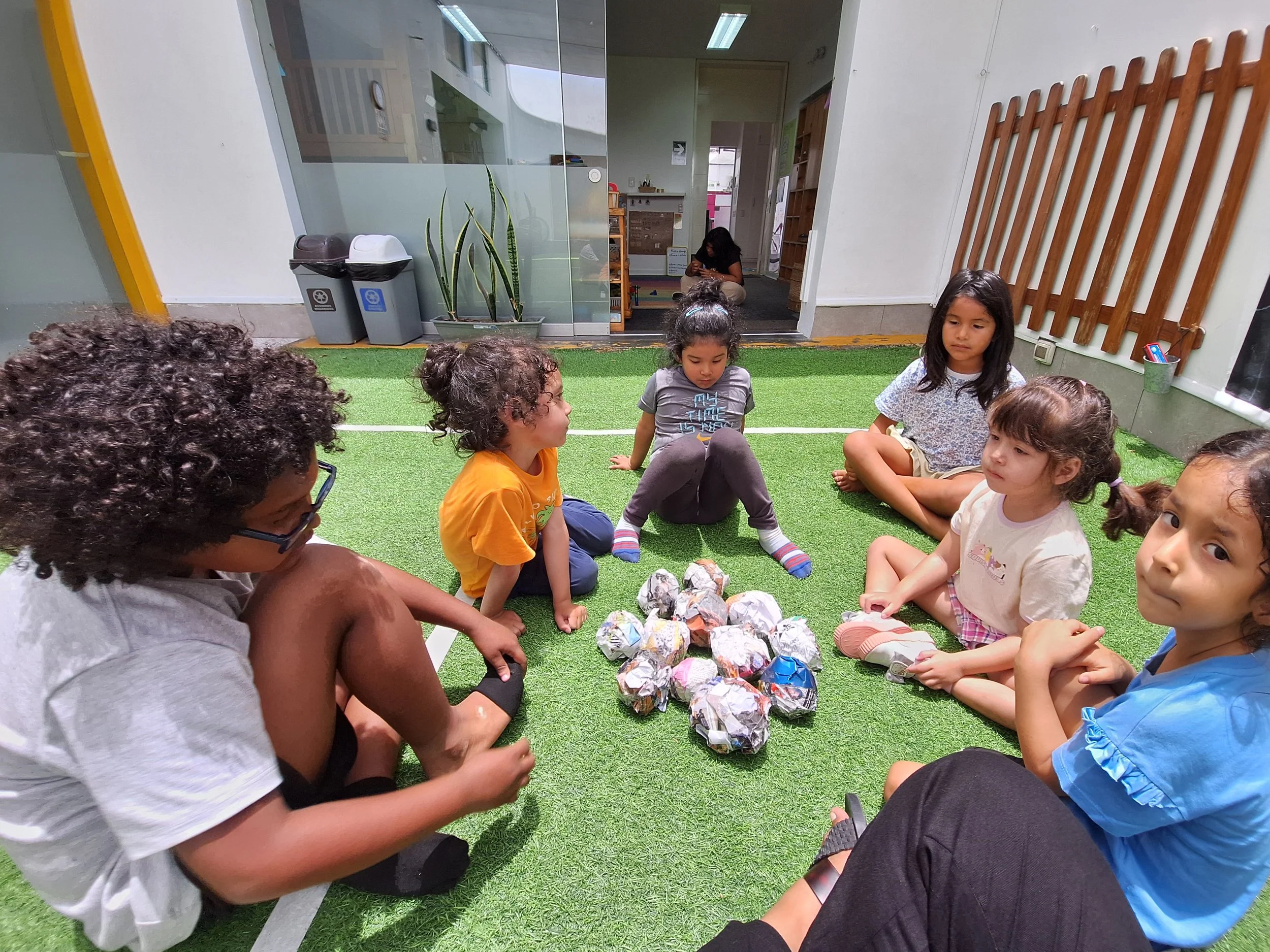
We are starting the year and, with it, new adventures in the Spark Tribe. We have new members, and that makes us very happy. This blog will focus on this reconfiguration of the tribe, the mixed-age structure of the group, the adaptation process, and how these young Heroes gradually get to know and recognize one another along their journey.
The Spark Tribe is a mixed-age Studio that brings together children from 3 to 7 years old.
The 3-year-olds are just beginning their journey in Tinkuy as young Pumas who have left their diaper days behind. For them, wonder is always present: games, moments of autonomy like setting up their snack, their photos used to help organize the tribe, choosing the timer for clean-up, learning how the Studio is organized, saying goodbye to their parents. So many internal and external changes.
The 4- and 5-year-old Pumas are now a mix of children who have been part of the Spark Tribe since age three and new Pumas who are just joining in. They have the chance to rediscover their autonomy within the Studio: counting gems, choosing their goals, and giving themselves space to observe, analyze, and share their voice, feelings and thoughts, with the tribe.
And the 6- and 7-year-old Pumas take on a very special role within the tribe: they begin to see themselves as role models for the younger children. This does not mean they stop exploring or making mistakes, because that remains an essential part of their process, but they also begin to lead by example. They show how routines work, support and lead moments of organization, and strengthen the sense of community. At this stage, it becomes clearer how autonomy grows into respectful leadership, and how each individual voice contributes to what the tribe builds together.
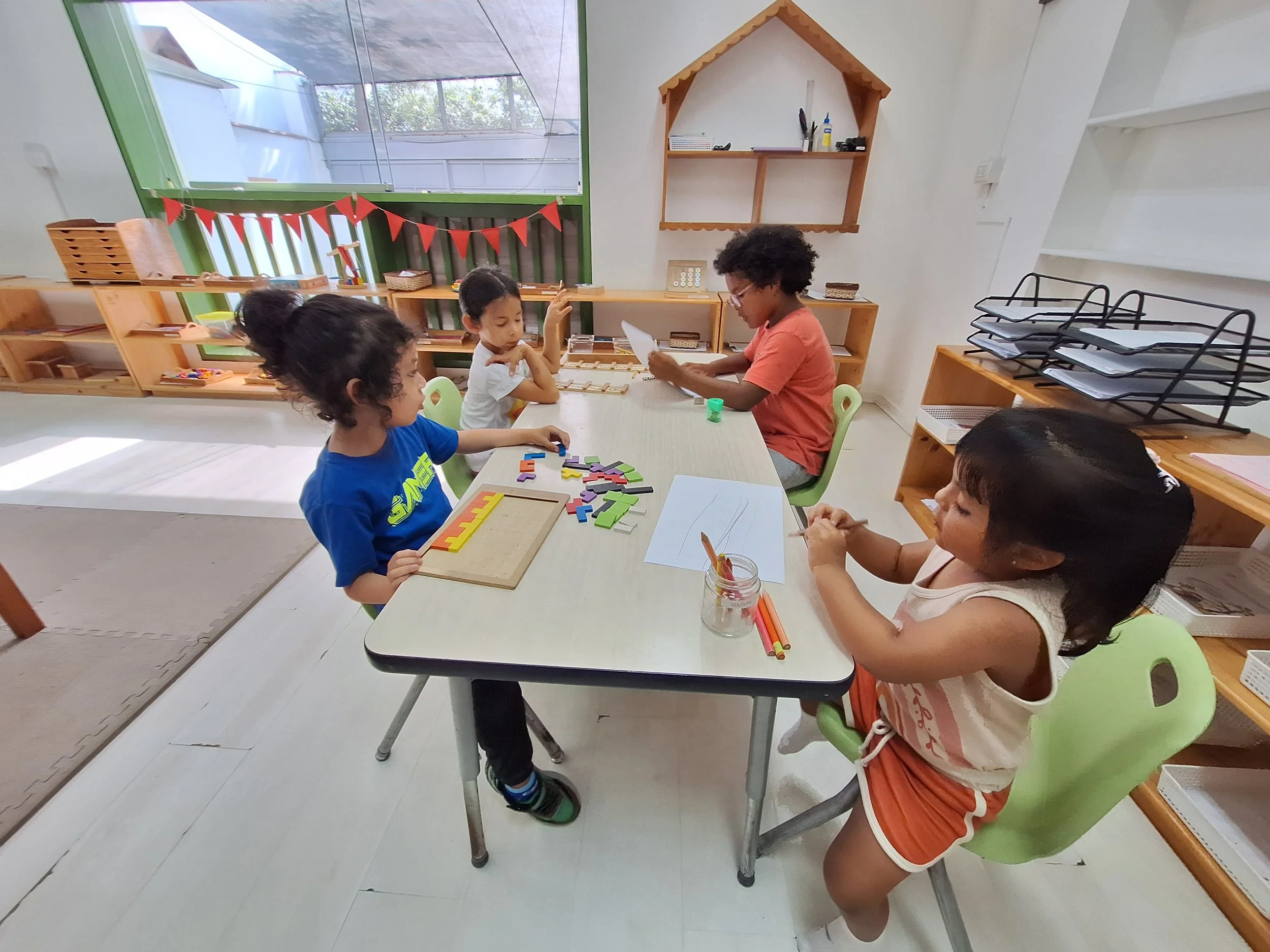
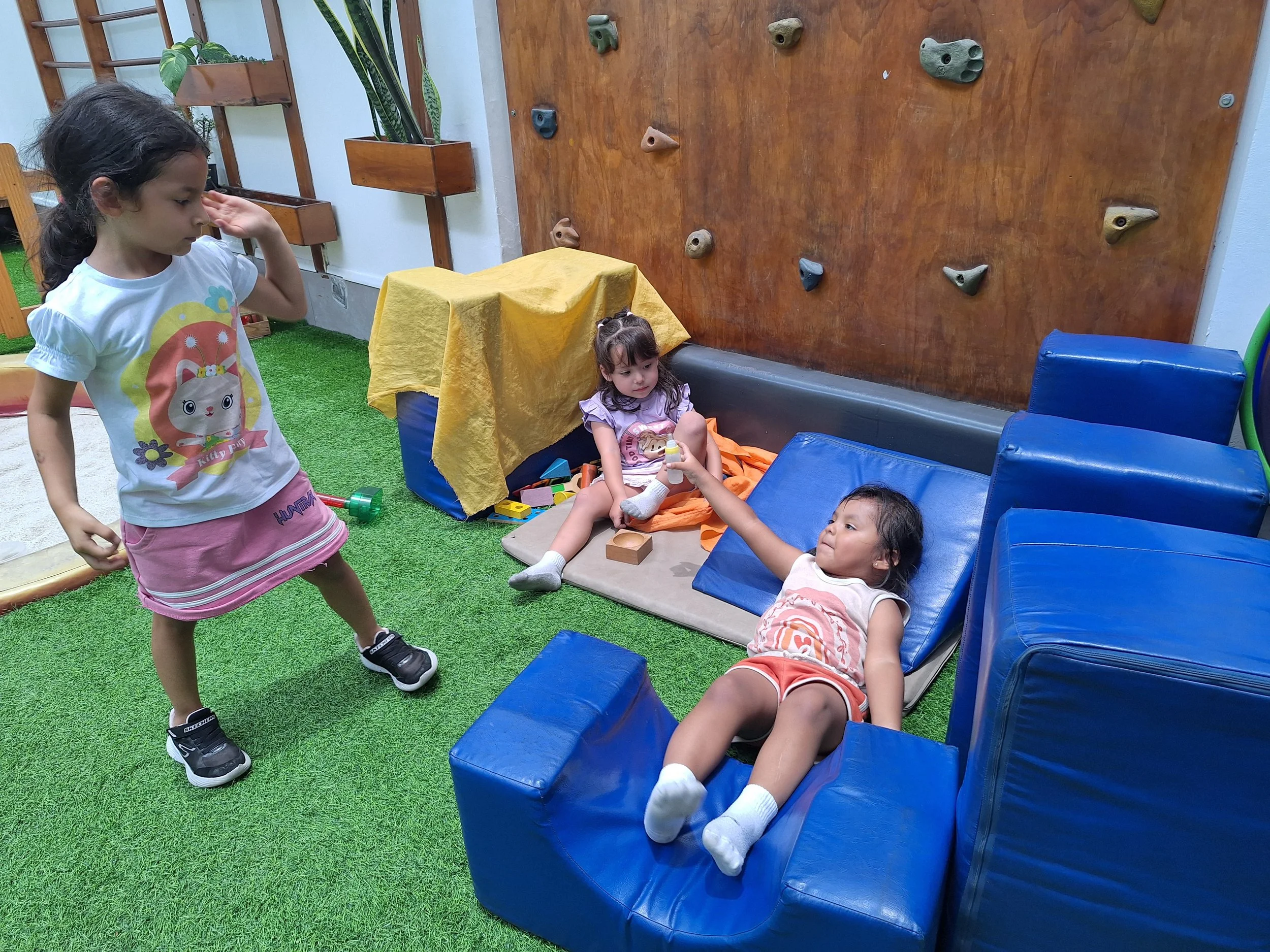
The mixed-age approach helps us see learning as a living, cooperative, and dynamic process. Each age brings its own lessons, challenges, and opportunities for real collaboration. While some children are learning how to separate from home for the first time, others practice patience by waiting their turn or explaining instructions. In these daily exchanges, meaningful relationships take root, strengthening emotional safety and a sense of belonging.
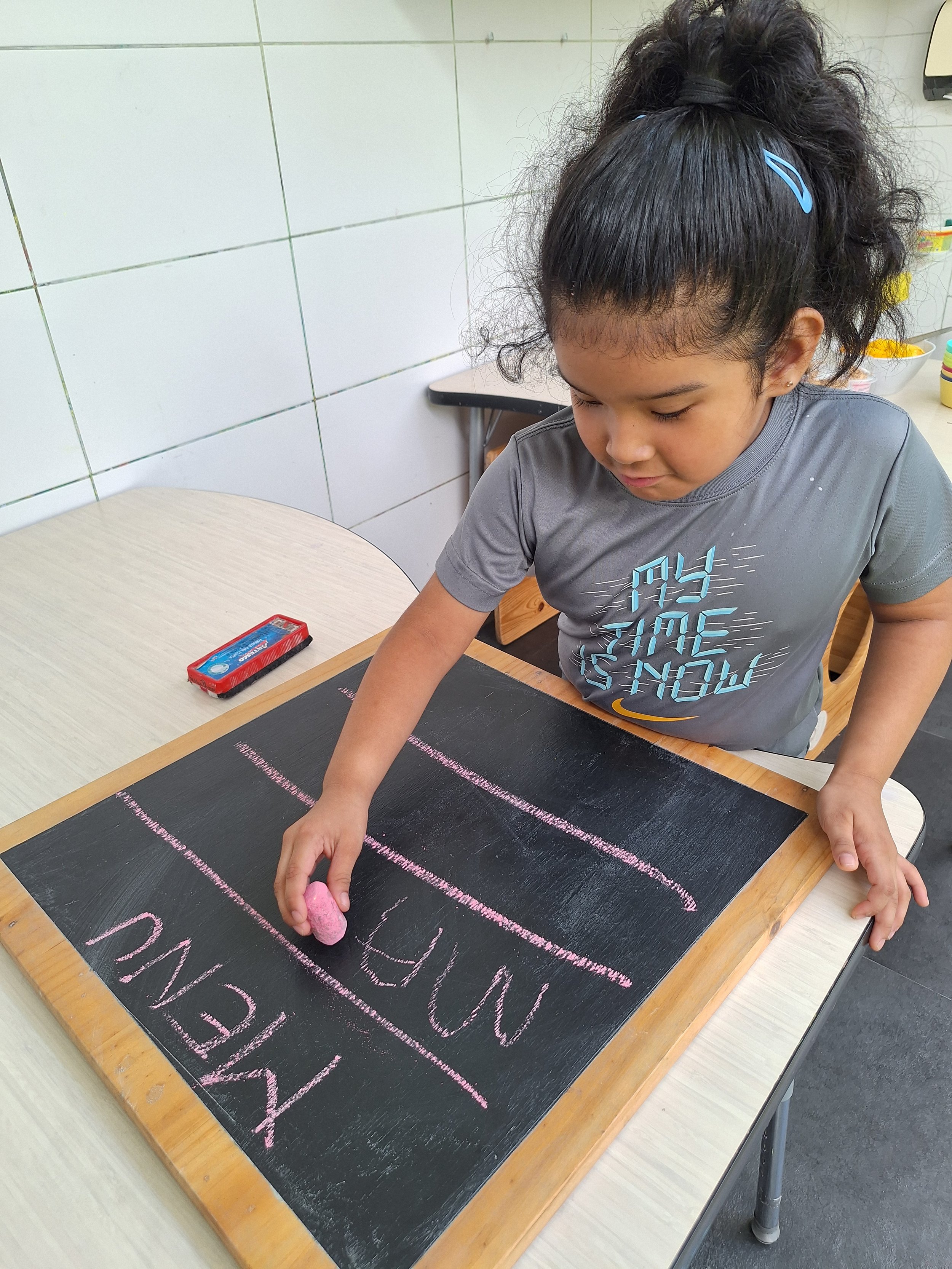
Adaptation, especially at the beginning of the year, becomes a gradual journey. Not all young Heroes move through it at the same pace, and that is okay. We notice how some walk in with immediate curiosity, while others need more time to feel that the space is truly theirs. In this process, clear routines, welcome and goodbye rituals, and the steady presence of adult guidance become bridges of trust.
A key part of this reshaping of the tribe has been recognizing individual identities. Through their photographs, personal goals, and intentional moments for voice and choice, each member gradually finds their place within the Studio. Naming themselves, making decisions, sharing opinions, and being heard strengthens their self-confidence and helps them understand that community is built as we learn to value what each person brings.
New agreements have also emerged in response to what this group needs right now. The way we organize the environment, make room for free play and movement, and create moments of calm is adjusted continuously to keep a healthy balance between exploration and emotional support. This flexibility reminds us that the tribe is not fixed. It evolves with the people who make it.
We will keep observing how these young Heroes move along their path, discovering their strengths, meeting challenges, and supporting one another. Each day brings small victories: staying a little calmer during goodbye moments, putting into words what used to show up through the body, or offering spontaneous help to a peer. In these everyday actions, the essence of the Spark Tribe is woven, step by step.