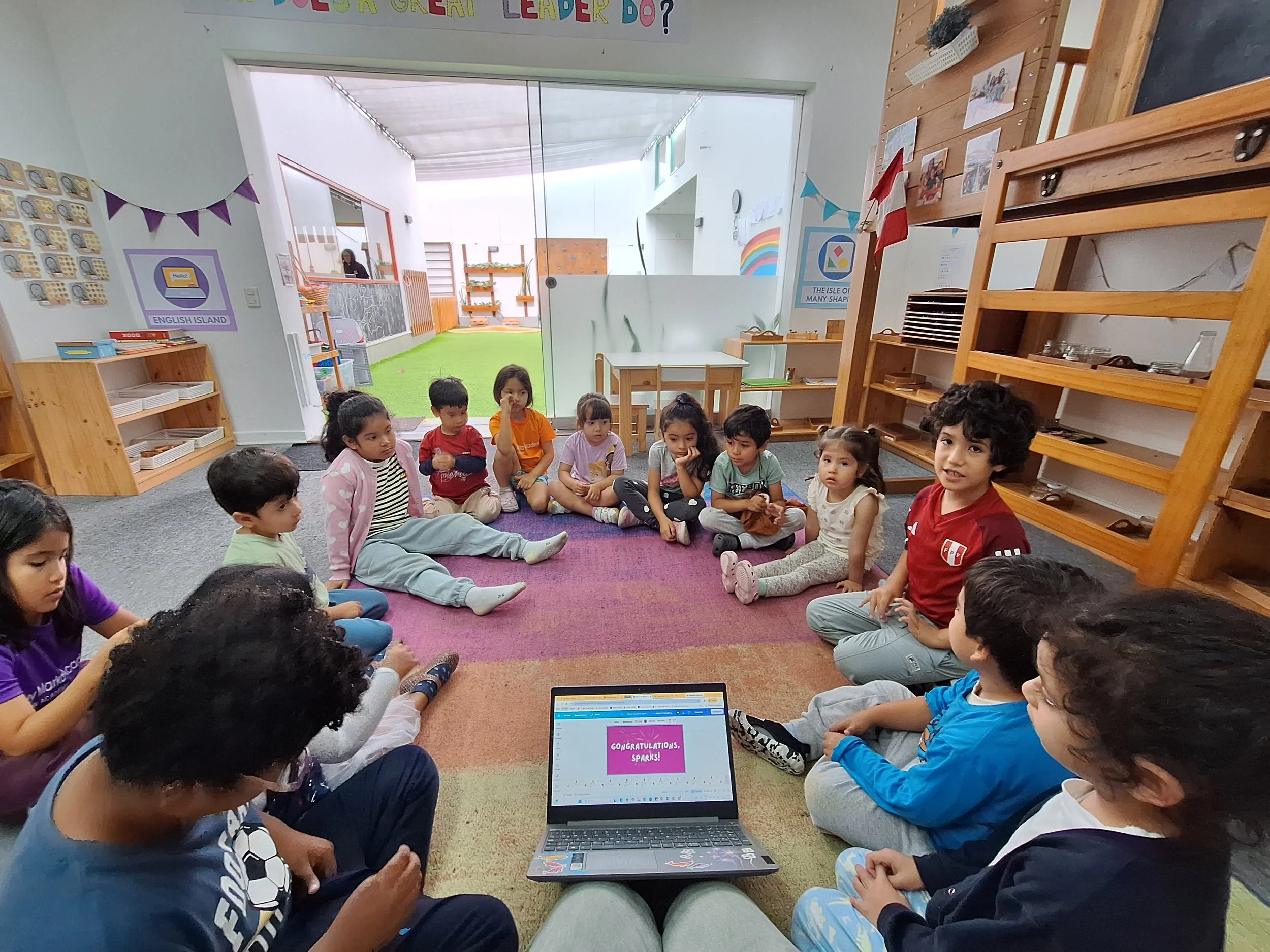
By Rosa Torres
What would happen if, for a few minutes, we stopped focusing on what a child still doesn’t know how to do and started noticing everything they are capable of doing?
This session, I had the opportunity to participate in a Guide Squad, an international virtual gathering where, for five weeks, we met with other Acton Academy Guides every Tuesday morning to talk about the art of being a Guide. During these meetings, we shared experiences, questioned our practices, and took on small challenges to bring back to our Studios.
One of the challenges I enjoyed most was Notice the Genius: observing the Pumas who were struggling to follow the tribe’s agreements and paying attention to their positive qualities. The challenge was to shift our perspective.
Instead of focusing on what worried us or what seemed to need correcting, we were invited to observe with curiosity: What skills does this child have? What are they interested in? When do they show initiative? What strengths might we be overlooking? Sometimes, in the middle of our daily routines, it’s easy to get caught up in the behaviors we need to guide and forget that behind them is a child with abilities, interests, and their own ways of relating to the world. This challenge reminded me that observing also means being willing to question our own interpretations.
But there was another challenge that led me to look at something different: my own interventions. As Guides, we often do little things to make the day run more smoothly. We anticipate difficulties, remind learners of pending tasks, or take care of something ourselves to keep things moving. But how many of these actions do we actually need to take?
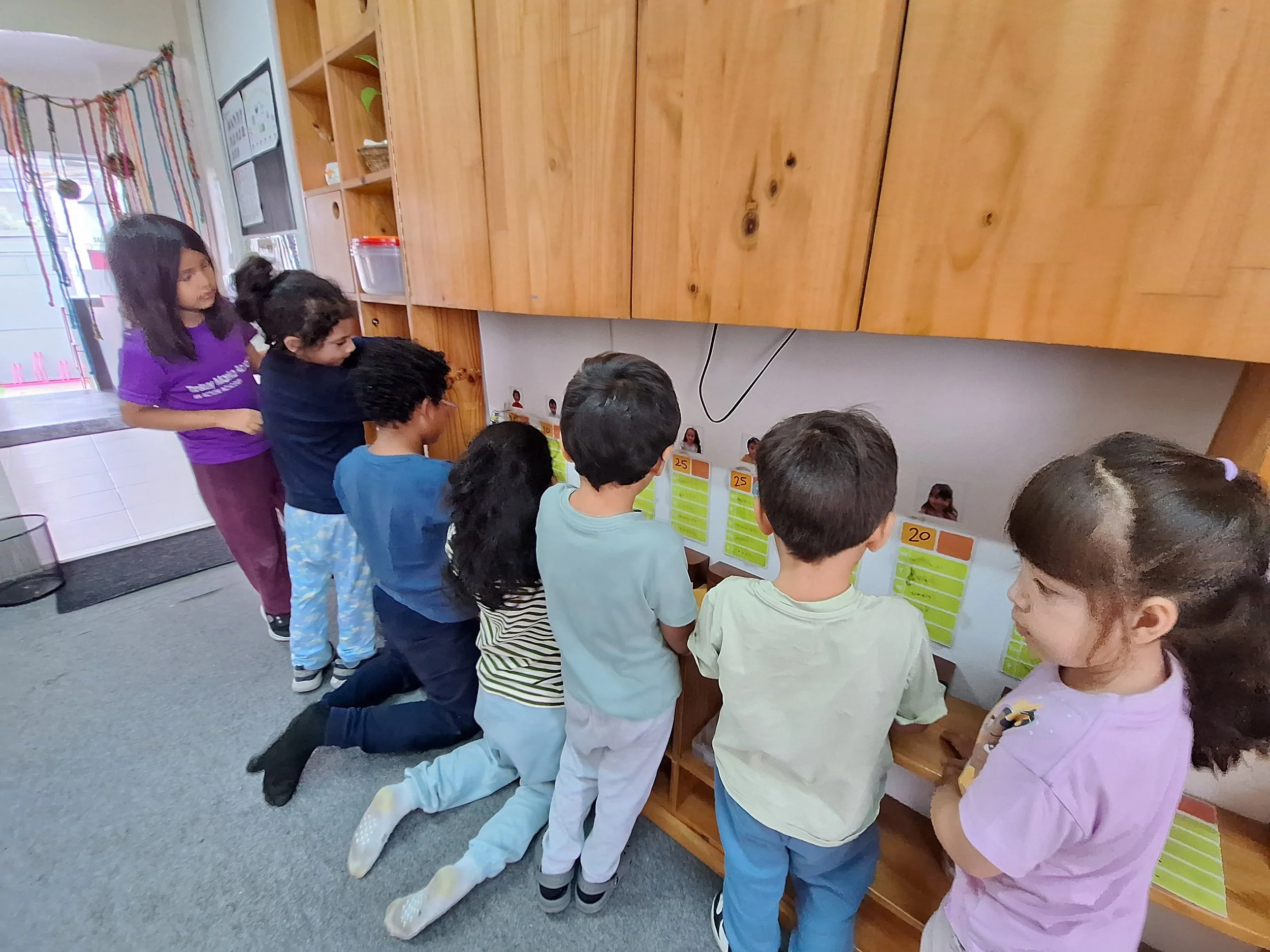
One of the exercises involved identifying five things we routinely did for our learners and asking ourselves whether they could start doing them independently.
In my case, I identified one: every week, I was responsible for entering the specific number each Puma needed to reach into their goal tracker. It was a small, almost automatic task. I did it as part of my support, without stopping to think about whether they really needed me to do it for them.
When I took a closer look at this practice, a possibility emerged: What if they started taking ownership of it themselves?
Over the past two weeks, the Pumas have been doing it. And something beautiful has happened: not only have they taken on this responsibility, but the older Pumas have also been helping the younger ones. What once depended on an action taken by the Guide is beginning to become a shared practice within the tribe. This brings me to a question I believe is fundamental to our work: How many learning opportunities are we taking away from children when we rush to do things for them?
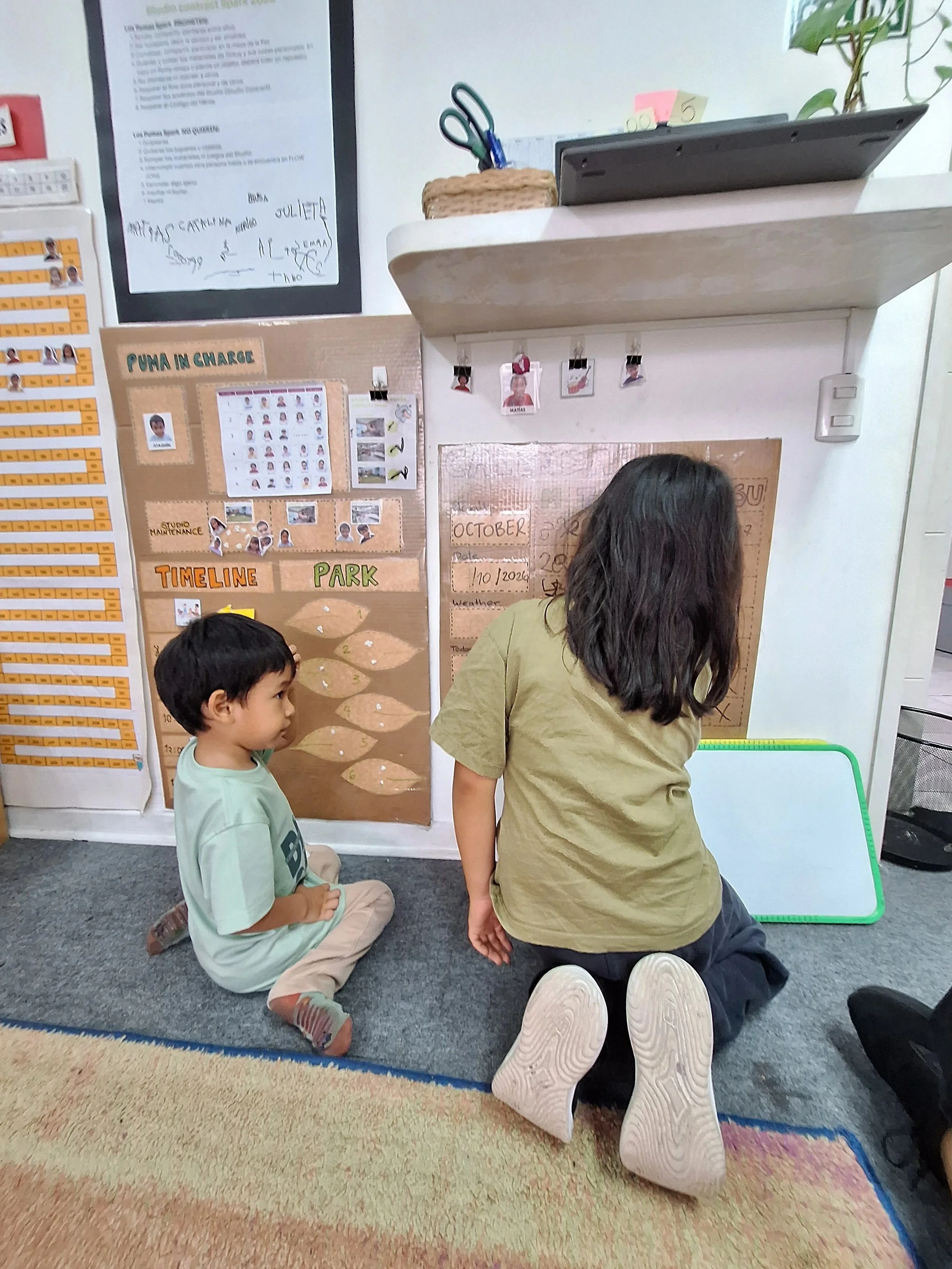
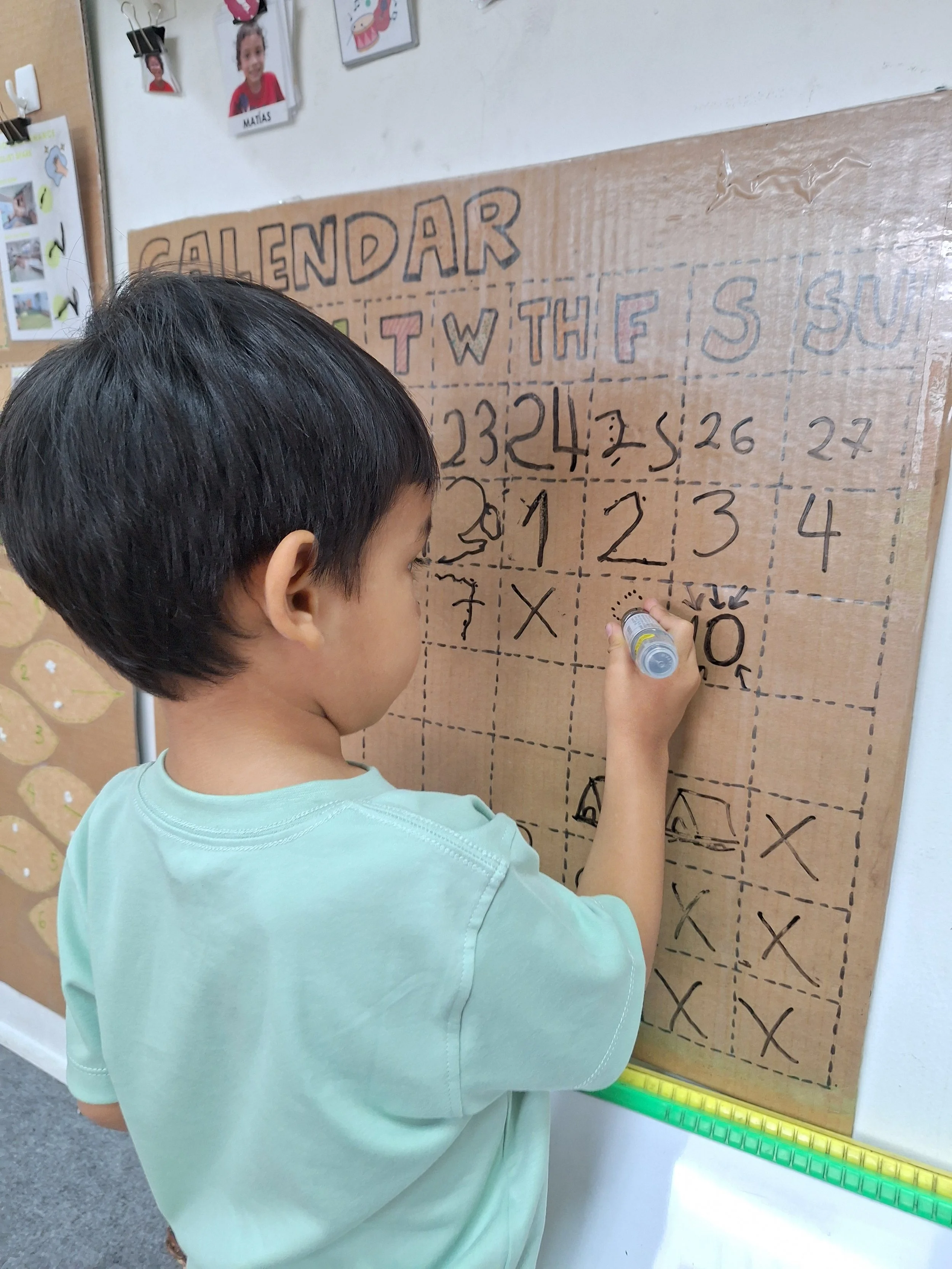
Taking a step back doesn’t mean disengaging. Nor does it mean children should have to figure everything out on their own. It means learning to recognize when they need our intervention and when, instead, they need the time, trust, and space to try for themselves.
Supporting children also means observing them. It means recognizing abilities that may have gone unnoticed before. It means allowing children to take on real responsibilities and discover that they can rely on one another.
Sometimes, change doesn’t begin with a new activity, a different material, or an elaborate plan. Sometimes, it begins when a Guide pauses, asks a question, and decides not to do something that the children can do for themselves.
For me, one of the greatest lessons in the art of being a Guide is this: it’s not about doing more and more for children, but about creating the conditions for them to do more and more for themselves and alongside others.