
As I shared a few weeks ago, after a lively debate, Discovery democratically decided to move forward with their mural project. In Spark, no vote was needed—everyone agreed from the start that creating a mural was something they wanted to do.
Since then, the Pumas have been engaging in different exercises to reflect on composition, style, proportion, color, and other elements involved in creating a collective artwork.
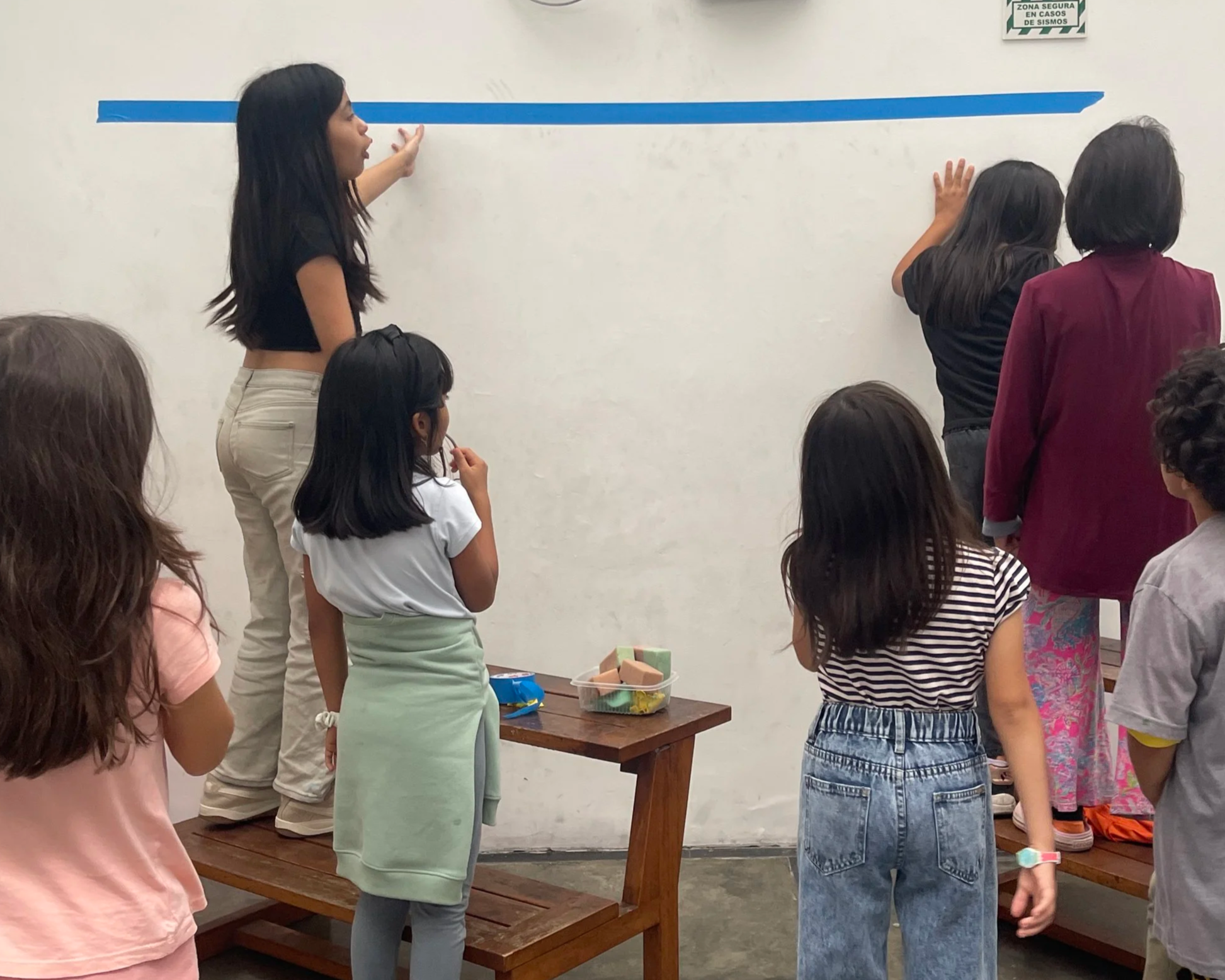
On the first Monday of the session, each Studio selected the location, size, and format of its mural, marking the chosen area with blue tape. The Spark Pumas chose a wall in the inner courtyard, while the Discovery Pumas selected a side wall in the outdoor patio.
As the third session came to an end, we watched videos showing the processes of different mural artists. While inspiring, they left us wanting more. That led me to finally act on an idea that had been sitting in the back of my mind for some time: inviting a muralist to visit Tinkuy and share their experience with the Pumas.
At first, I had no luck. But eventually, through former classmates from the National School of Fine Arts, I connected with an artist involved in community mural projects. Not only did she agree to visit, but she also offered to bring along another muralist.
And so, on the morning of June 8th, Zoelí and Mar arrived at Tinkuy to spend time with the Pumas.
The previous session had been a challenging one for Discovery. The Pumas had decided to clean the wall they planned to paint, but they were disappointed with the results. What had started with excitement ended in frustration, as many felt they had made the wall dirtier rather than cleaner. Some Pumas had chosen to use soap without consulting the tribe, and together they later concluded that it had not helped the process and may have made the task even more difficult.
During closing circle, I noticed expressions that reflected that disappointment. However, I had already been coordinating Zoelí’s visit for several days, so before saying goodbye, I shared that a muralist would soon be coming to talk with them about her work.
Their faces changed almost immediately, and one question quickly appeared:
“Is she famous?”
“That depends on what you consider a famous person,” I replied.
And with that, we ended the day.
When June 8th arrived, we adjusted our schedule to accommodate our visitors, who had kindly arranged time away from their jobs in order to join us.
I have to admit that I was still carrying some of the discouragement I had seen during the previous session. I wasn't sure what to expect from the meeting.
Zoelí, however, was excited from the very beginning. Days before the visit, she was already asking questions about the Pumas and thinking about ways to make the experience meaningful. I shared as much context as I could about the mural project and invited her to speak about the realities of collaborative work before and during the creation of a mural.
She also suggested bringing her colleague Marel—Mar, as her friends call her—who is part of Urpicha, a community organization based in Comas. Zoelí herself is actively involved with Clínica de Sueños, a cultural and community project located in La Pampita, a neighborhood in El Agustino, Lima.
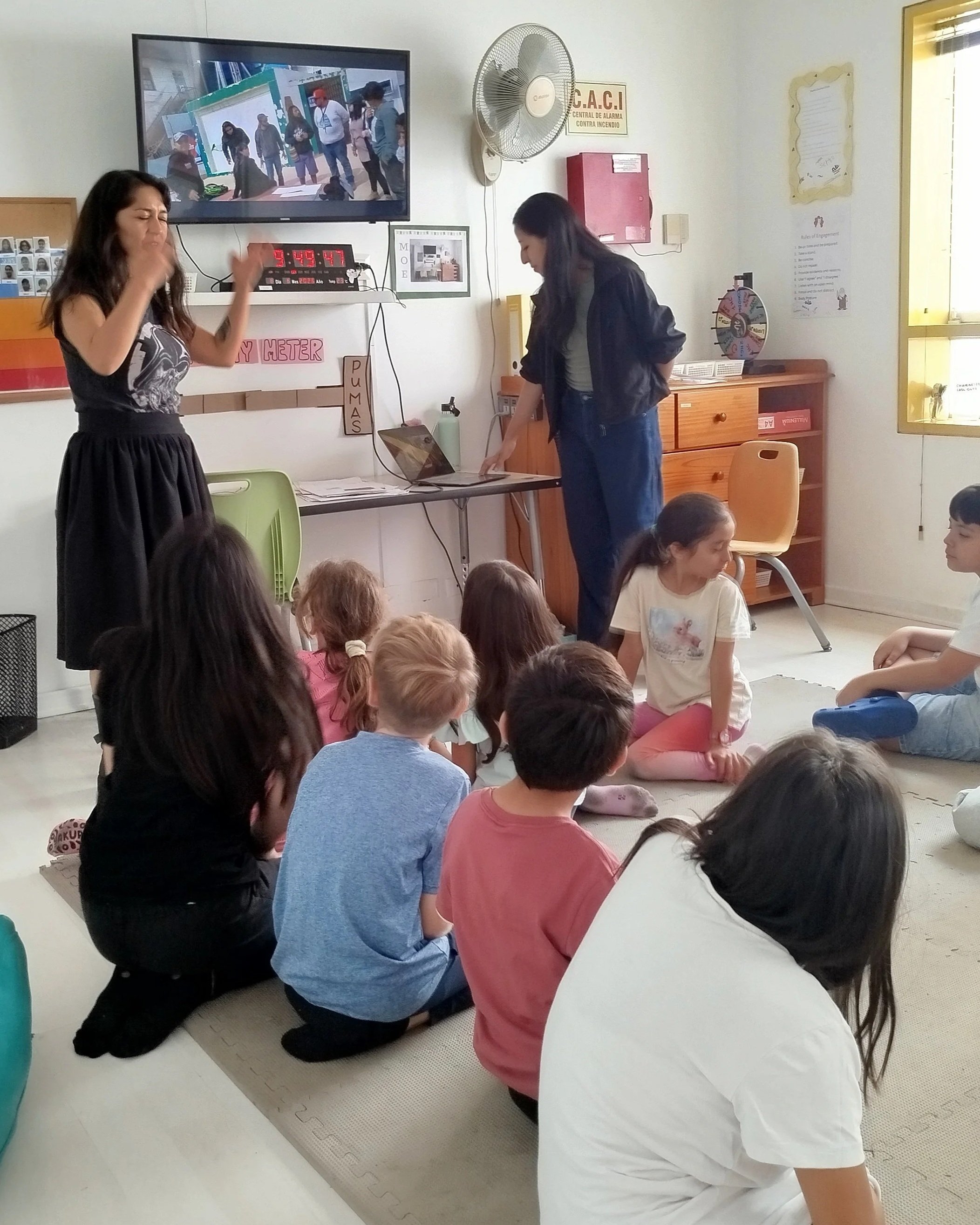
The meeting with Discovery took place in their Studio. Zoelí and Mar introduced themselves, and it didn't take long for the Pumas' curiosity to take over. Questions flowed naturally throughout the conversation.
“How do you work as a team?”
“How do you prepare a wall before painting?”
“Should we paint the background first? What colors would you recommend?”
“How do you transfer a sketch onto a wall?”
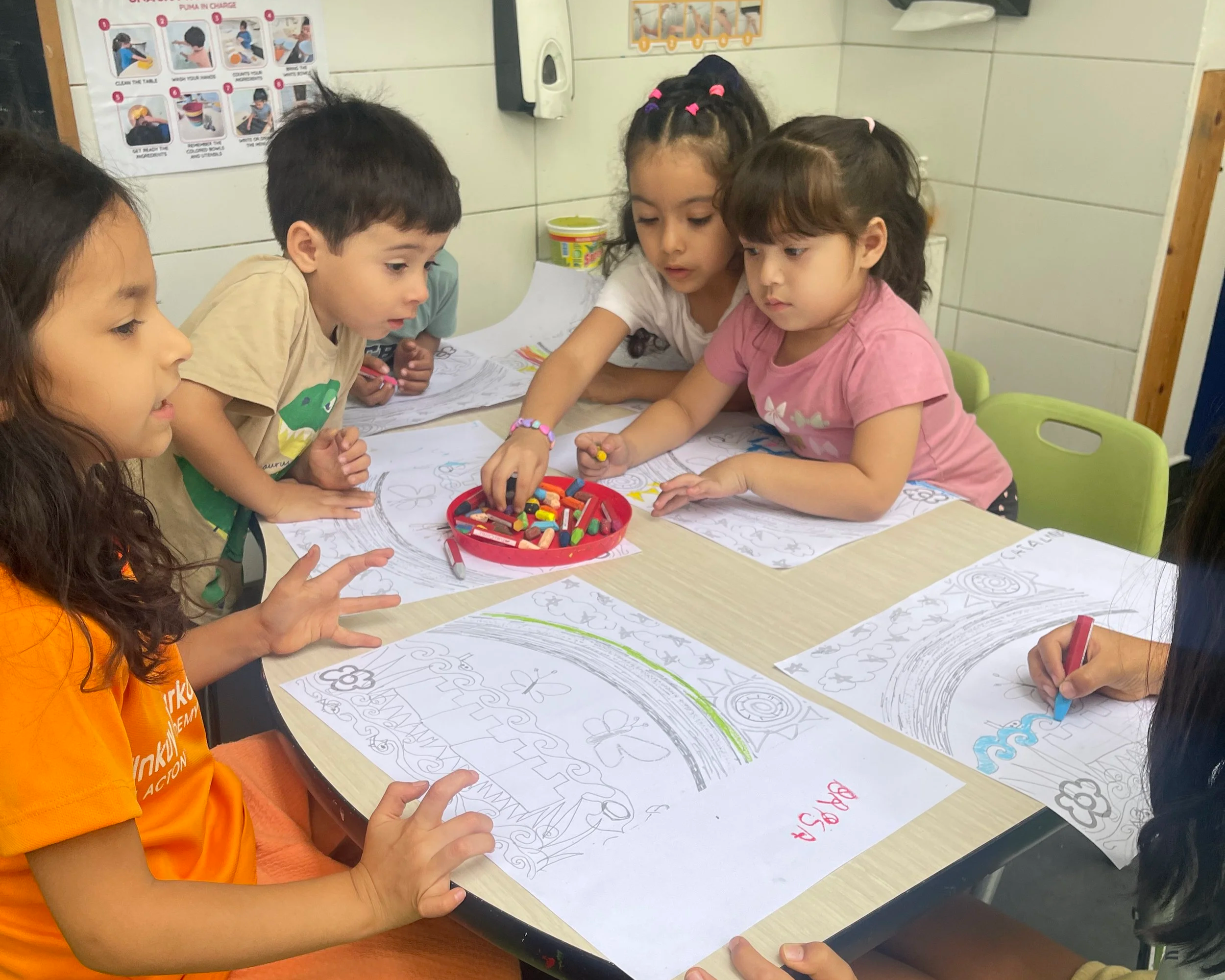
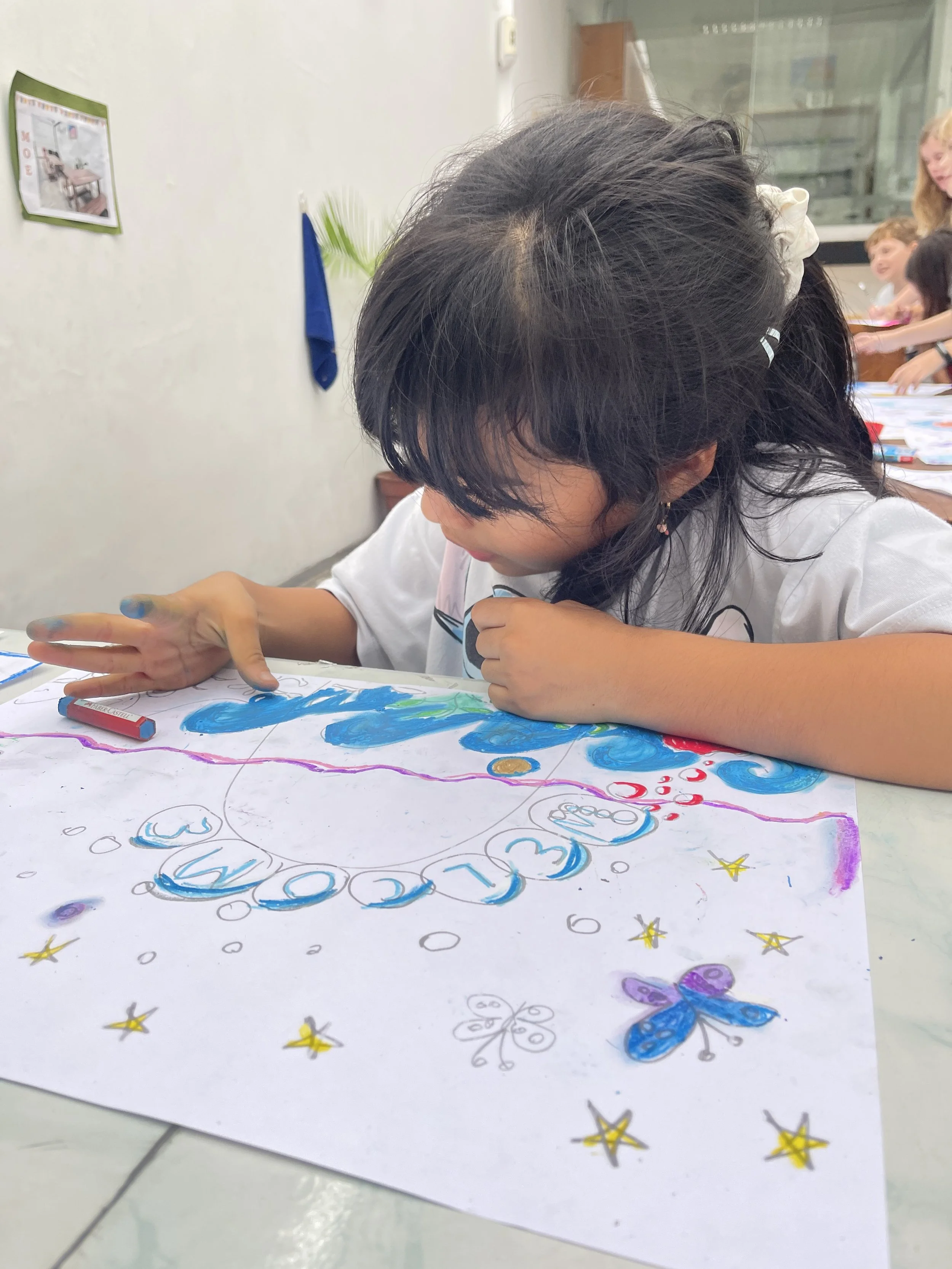
Pumas then shared the sketches they had been developing, and Zoelí and Mar supported them in combining those ideas into a single proposal that could represent Tinkuy as a whole.
It became a rich exchange. Pumas asked questions, but they also shared stories about life at Tinkuy and how their community works. By the end of the conversation, even Bernardo’s paw had found its way into the final sketch—a design that brought together the ideas everyone had contributed and approved.
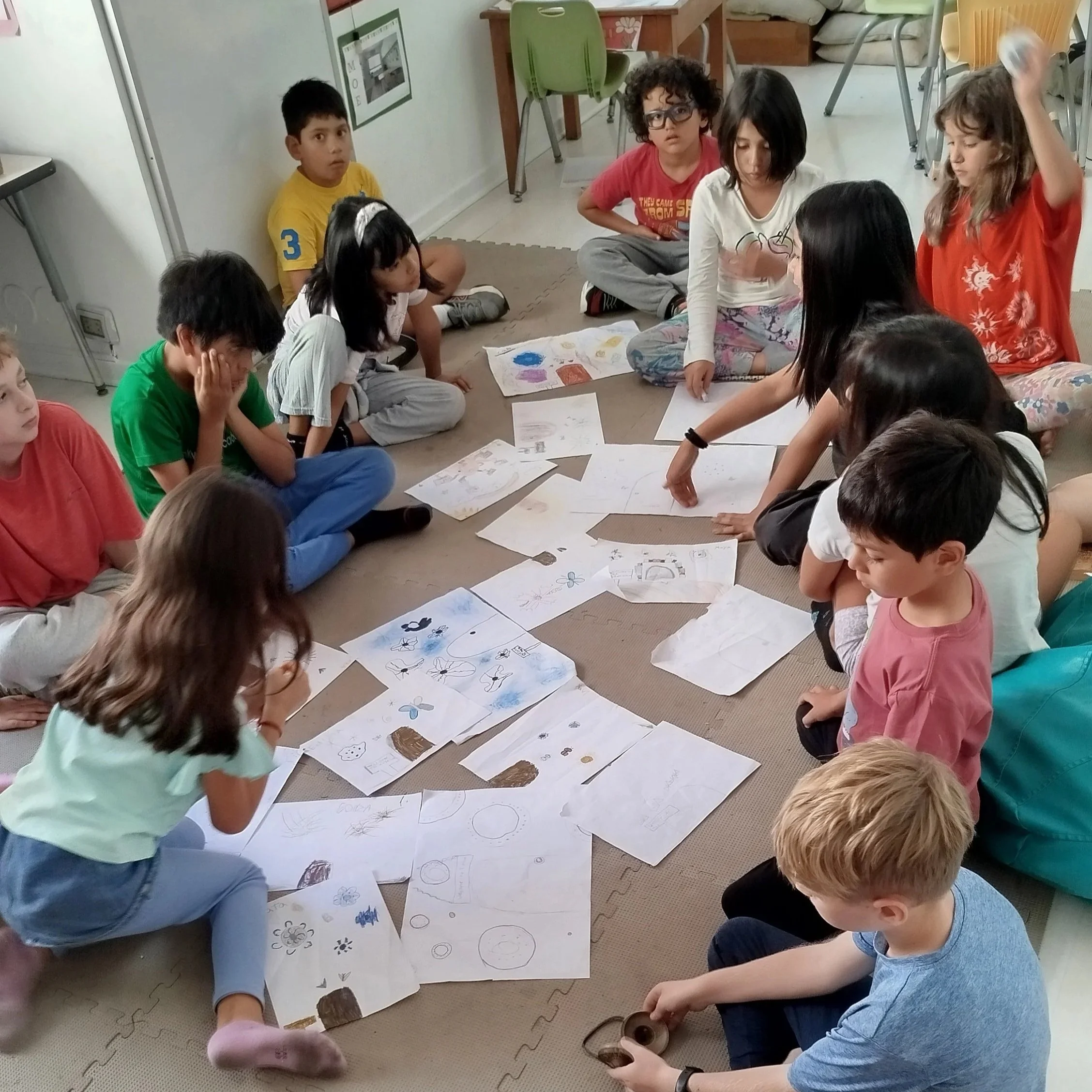
Time flew by, and I would say the visit offered the Pumas a fresh perspective while helping them move beyond the frustration they had experienced just days before.
One idea that Zoelí and Mar emphasized was that teamwork does not mean everyone has to do the exact same thing.
“You can create small teams with different responsibilities. Some people can paint, others can play music while the work is happening, and others can document the process through photos and videos.”
In Spark, the experience was no different. The Pumas responded with enthusiasm and brought together their ideas into a collective composition. They looked at photographs of murals, discussed possibilities for the space, and worked together to create a design that reflected what mattered most to them.
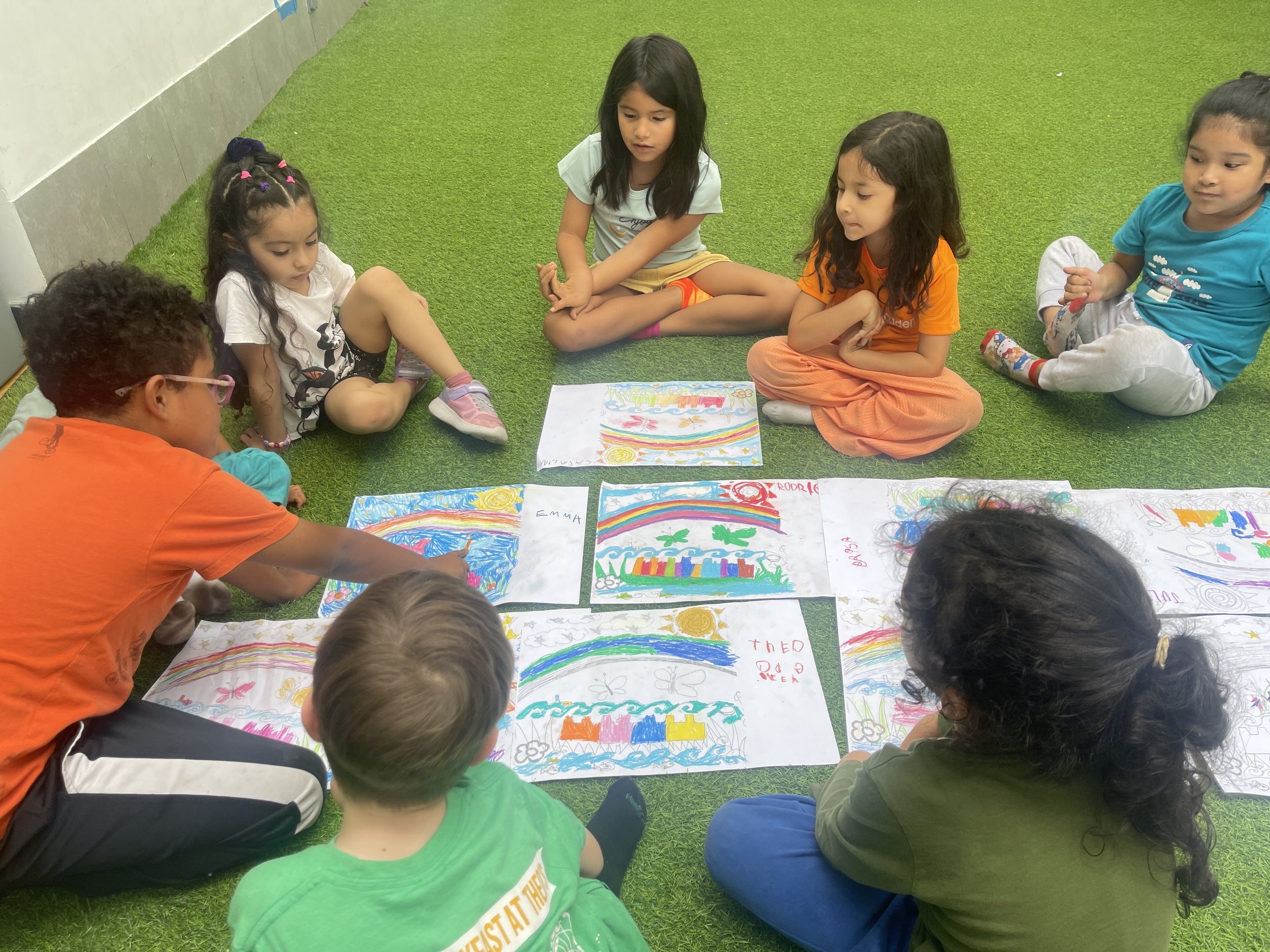
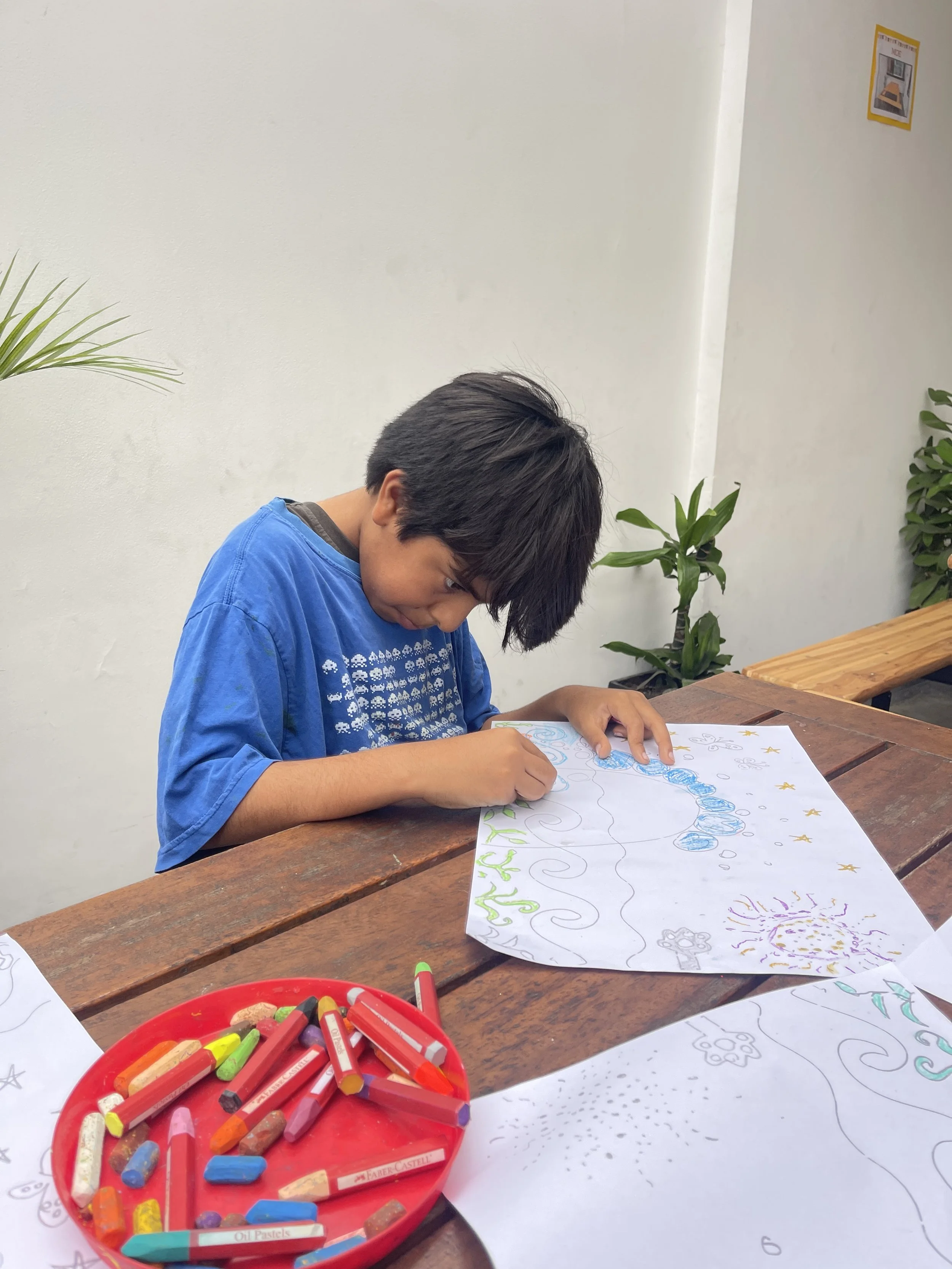
Once the collective sketch was complete, each Puma had the opportunity to explore it through color from their own perspective. Next Monday, we will begin the next stage of the journey: bringing the design onto the wall itself.