By Natz Vieira
The idea seemed simple: painting a mural on campus.
After some members of the tribe traveled and visited other campuses within the Acton Academy network, the proposal emerged. But not just any mural, one created by the Pumas themselves. That’s how we began the Visual Arts workshop with the Discovery and Spark studios at Tinkuy Marka Academy.
I must admit, I expected overwhelming enthusiasm (perhaps because I was excited about the idea myself). But something different happened. The Pumas in Spark liked the proposal right away. When I shared it with the Discovery tribe, however, several expressions of disagreement quickly appeared.
The first weeks unfolded with initial sketches, videos of mural-making processes to understand the scale of the work involved, and exercises measuring the walls to imagine possible sizes. Before the end of session 1, we agreed that once we returned from the break, the tribe would vote to make a final decision.
And that’s what we did.
In the morning, Spark voted yes to the mural. Every Puma present agreed.
In the afternoon, Discovery was different. Opinions were divided. Some were enthusiastic, while others clearly felt resistance toward the idea. The tribe talked it through, and different arguments began to surface.
That’s when I suggested holding a debate. The parallels with the electoral context were quickly noticed. I proposed that it could be an opportunity for each side to present their arguments and try to convince those who thought differently why their position made more sense: yes to the mural versus no to the mural.
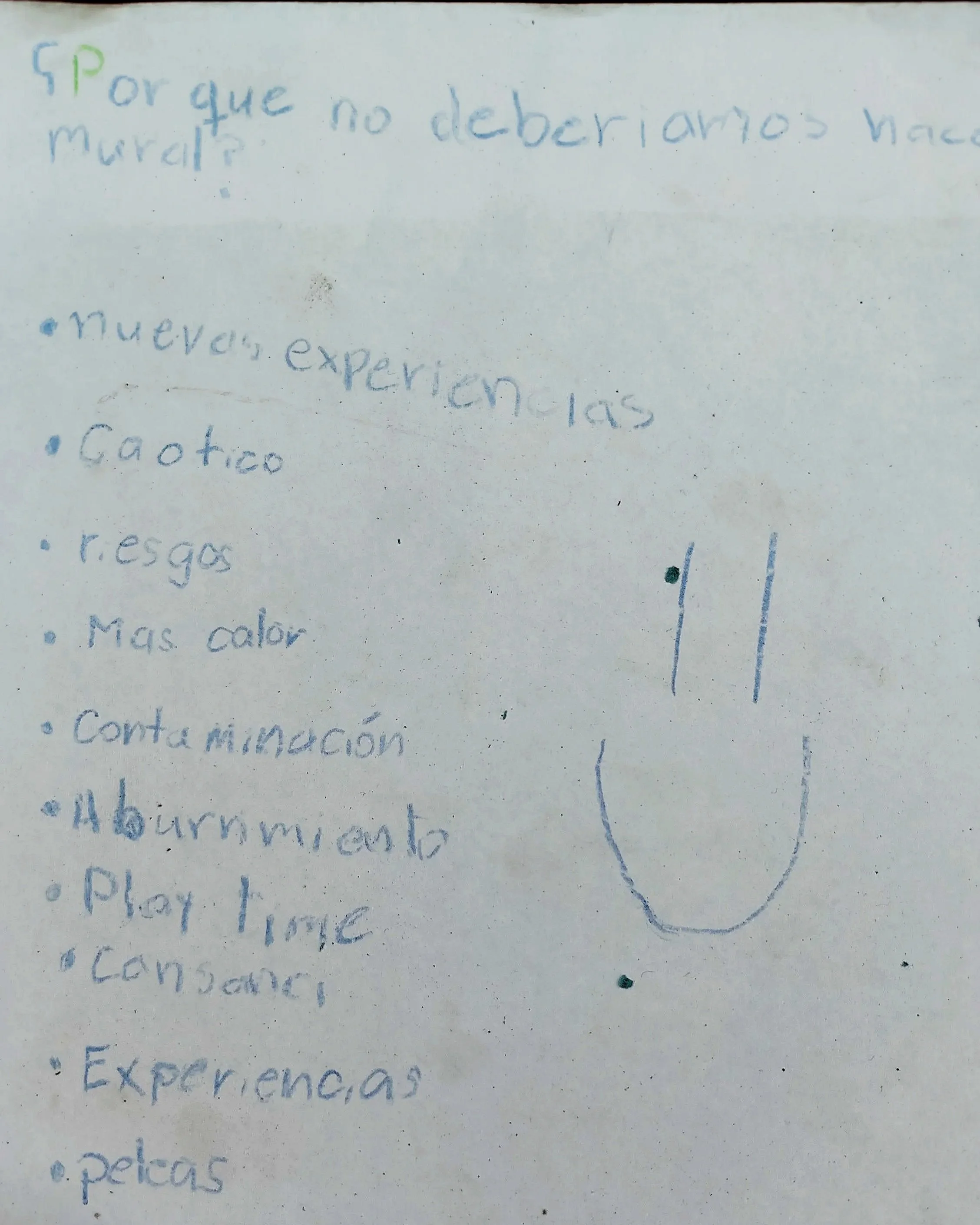
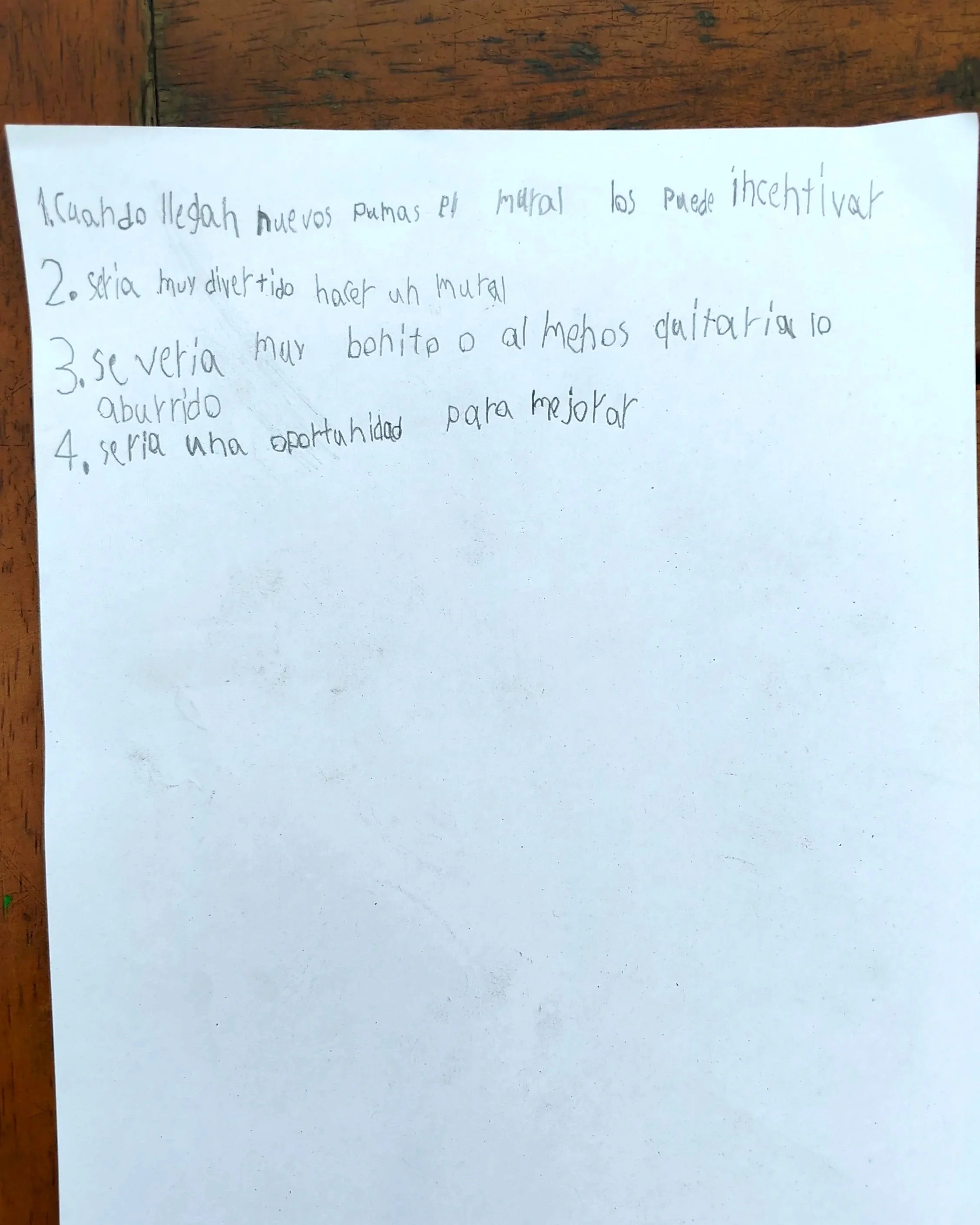
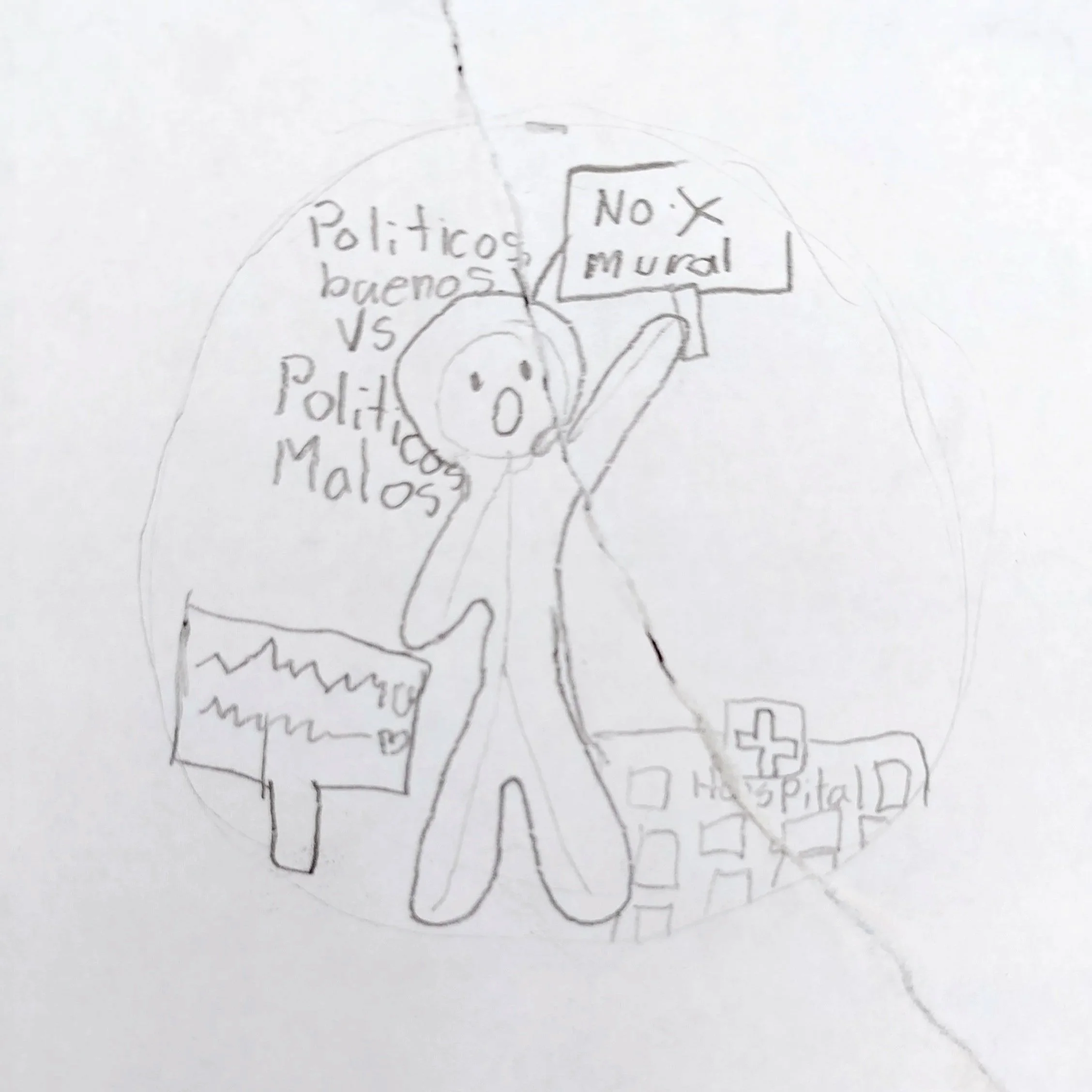
The Pumas accepted the challenge. The Yes group had nine supporters, while the No group had only two.
I gave them ten minutes to organize their arguments and two more to design their symbols. As they worked, a comment floated through the room that made us smile:
“The good politicians are always fewer.”
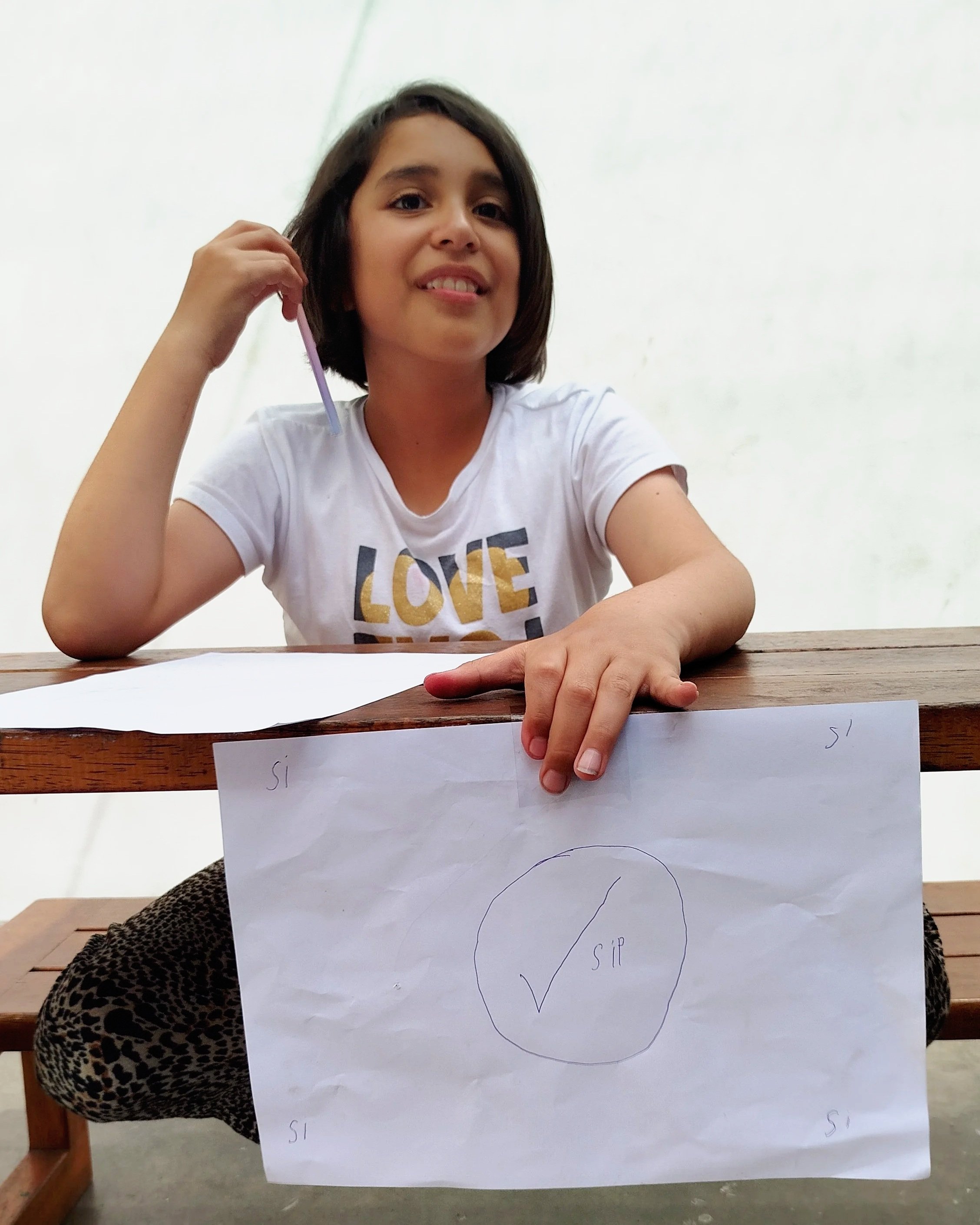
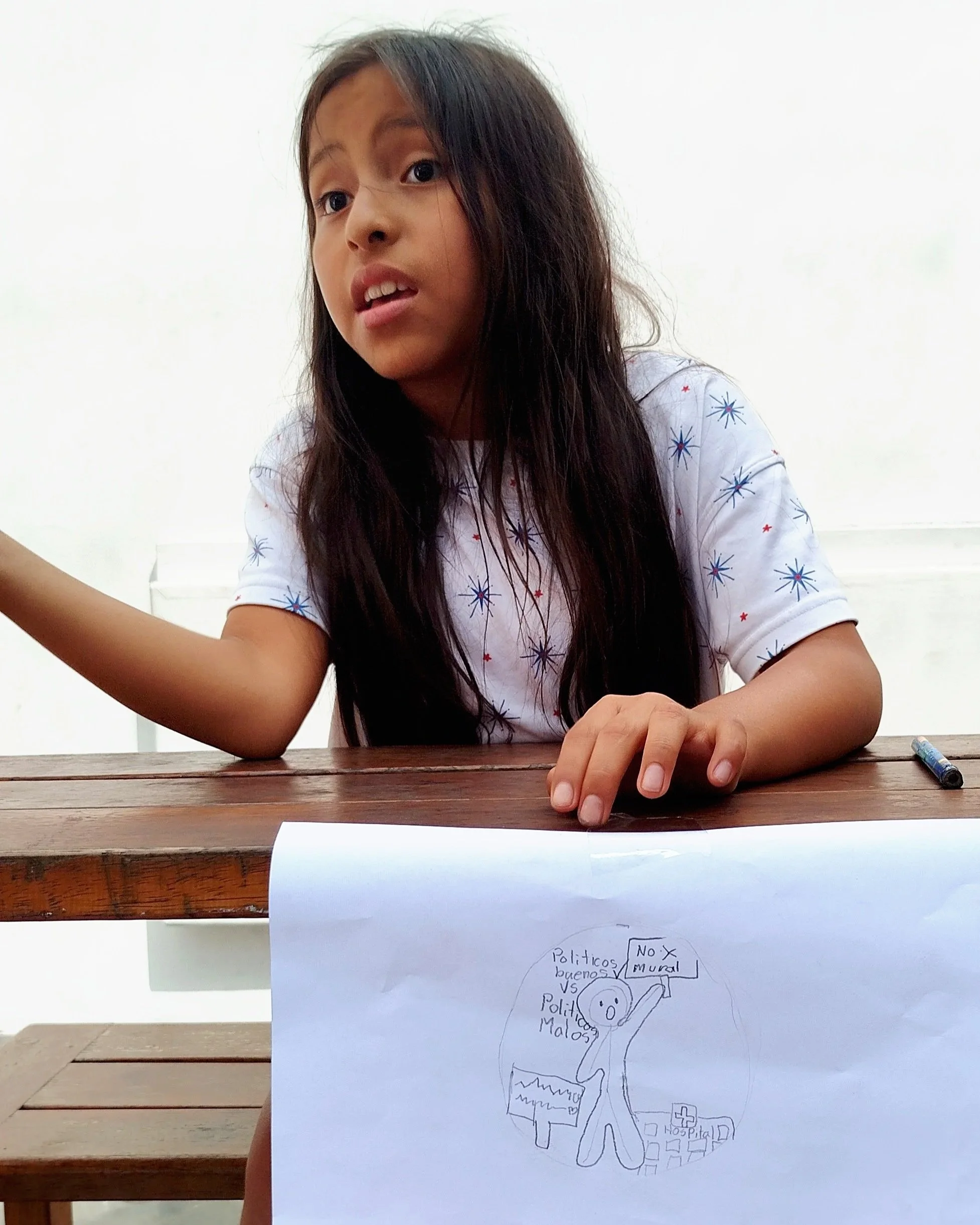
When time was up, the debate began. The representative of the No side sat on one bench, and next to her, the representative of the Yes side, both chosen by their teams. It wasn’t easy to decide who would defend each position.
The delivery of arguments unfolded calmly. There were a few attempts from the audience to jump in or reinforce ideas, but the atmosphere remained respectful. Then came a round of questions: one Puma from each team had the opportunity to challenge the other side.
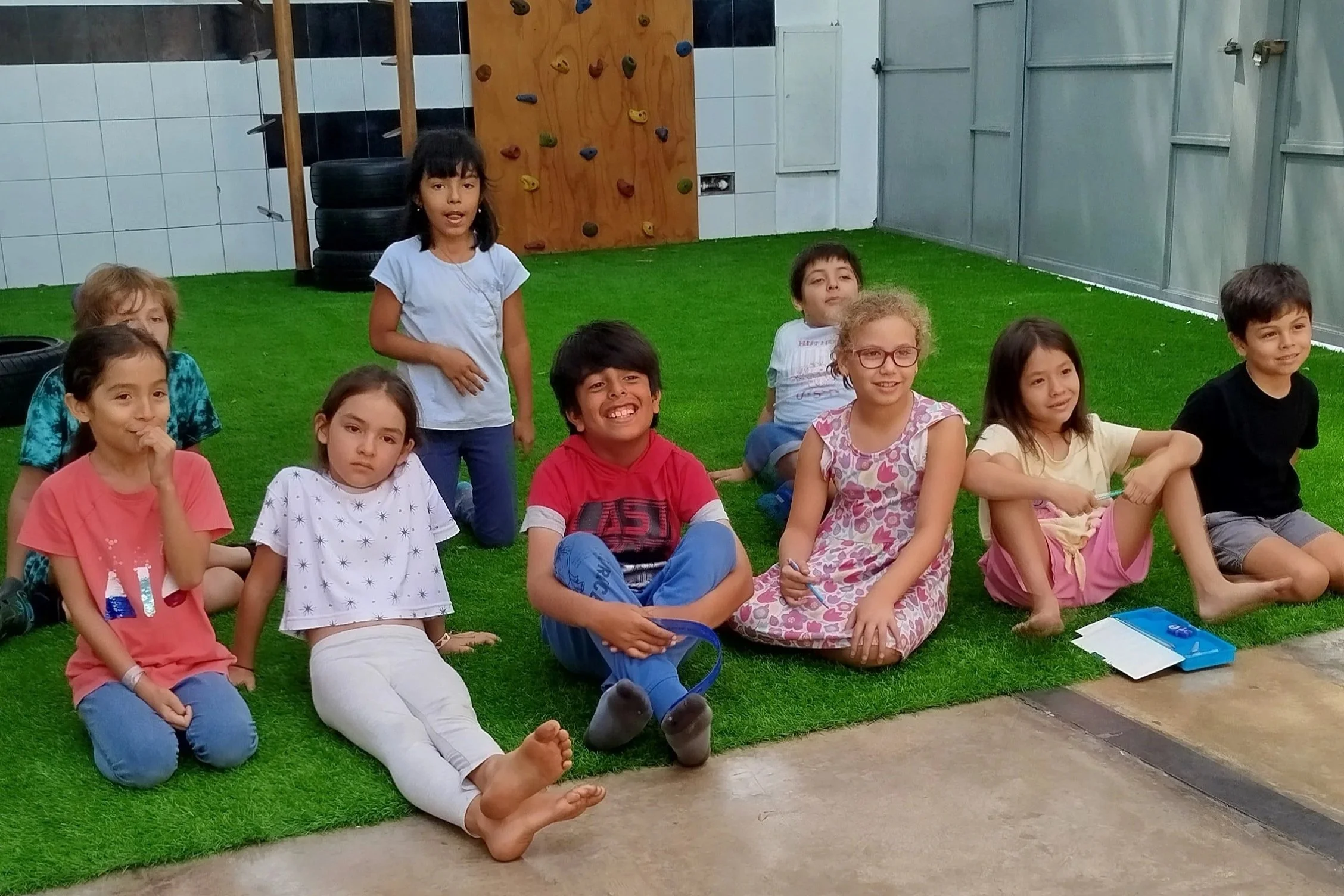
Finally, it was time to vote. The No team seemed a bit discouraged. One by one, the Pumas placed their votes on small pieces of paper. With Gianni’s help, we counted them and announced the result.
The Yes to the mural won with eight votes against three for No, showing that one Puma had changed their mind after the debate.
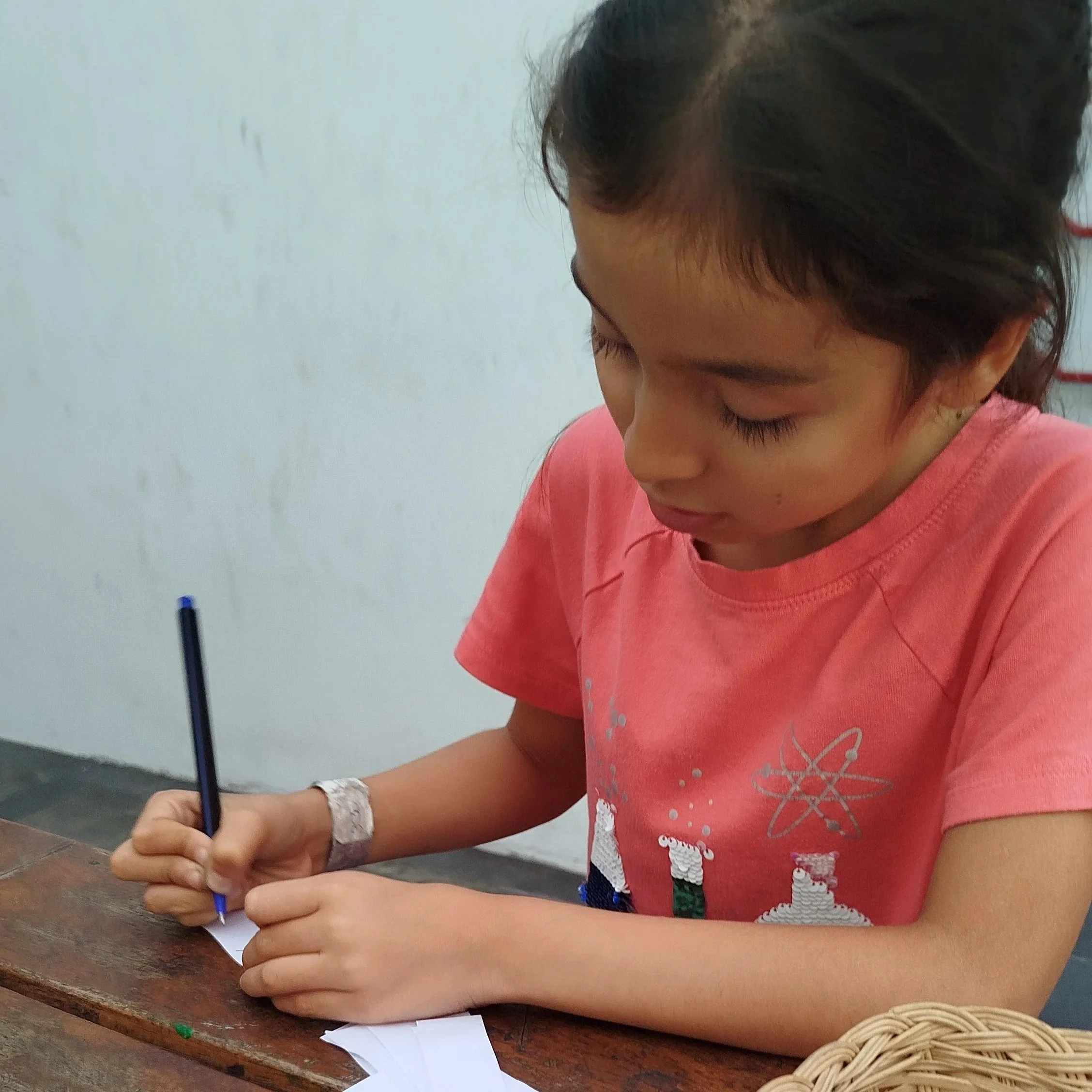
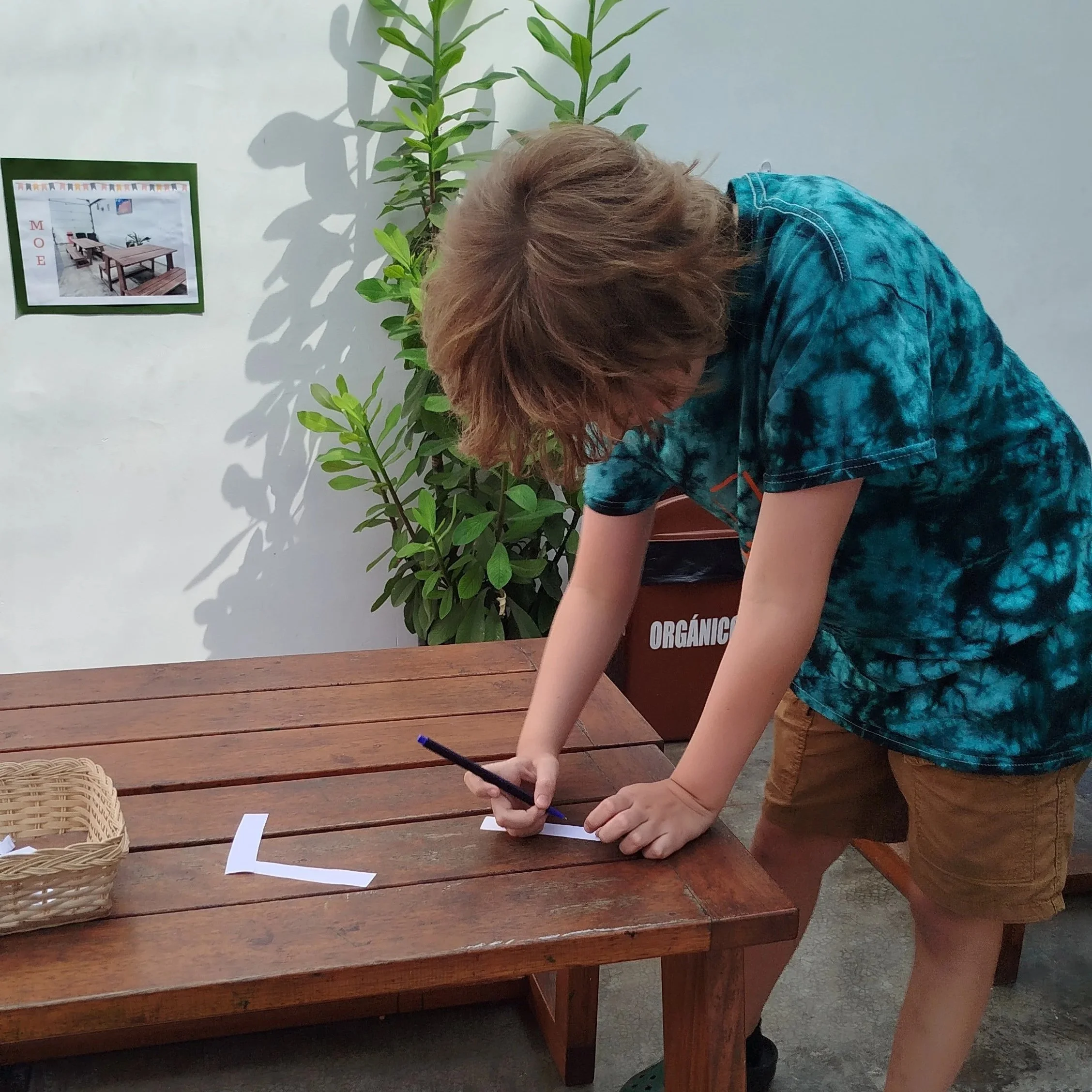
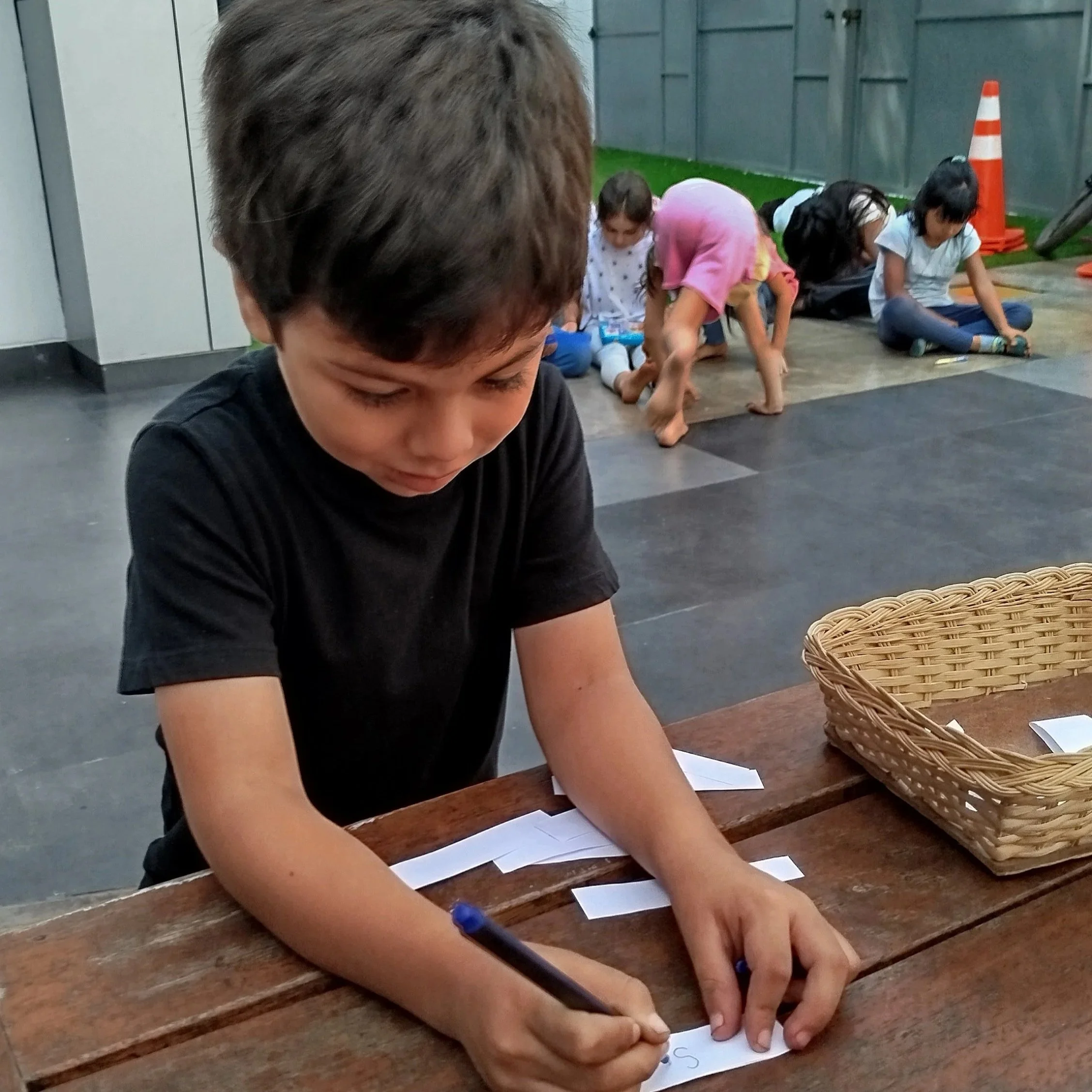
Even so, the reflections continued. Some kept discussing the positive and negative aspects of carrying out the project. We closed by remembering the importance of respecting the collective decision.
Some ideas also emerged about possible strategies to avoid making the mural. This opened a valuable conversation about honesty and the importance of committing to what we decide to begin.
Because deciding together also means something more: taking responsibility for the choices we make.