
By Giannira Giunti
There is a different kind of energy at the end of a Quest. The Studio becomes louder, faster, fuller of movement. You can see it in simple moments: notes spread across tables, groups discussing decisions, plans changing after trial and error, or learners testing ideas more than once.
During session 2, the Pumas stepped into the challenge of building a business from the ground up. The final goal sounded simple: sell lemonade. But what does it actually take to turn an idea into something real?
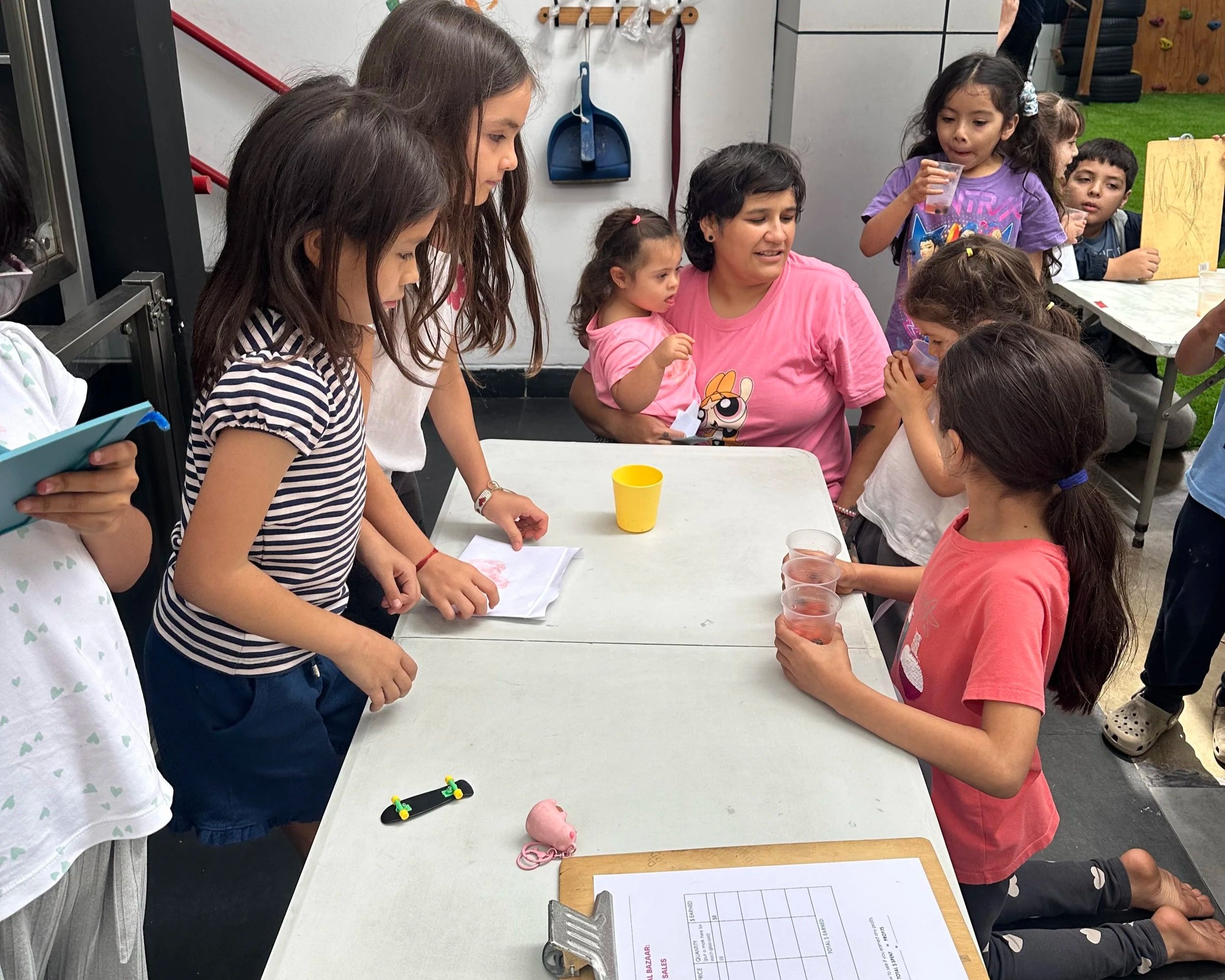
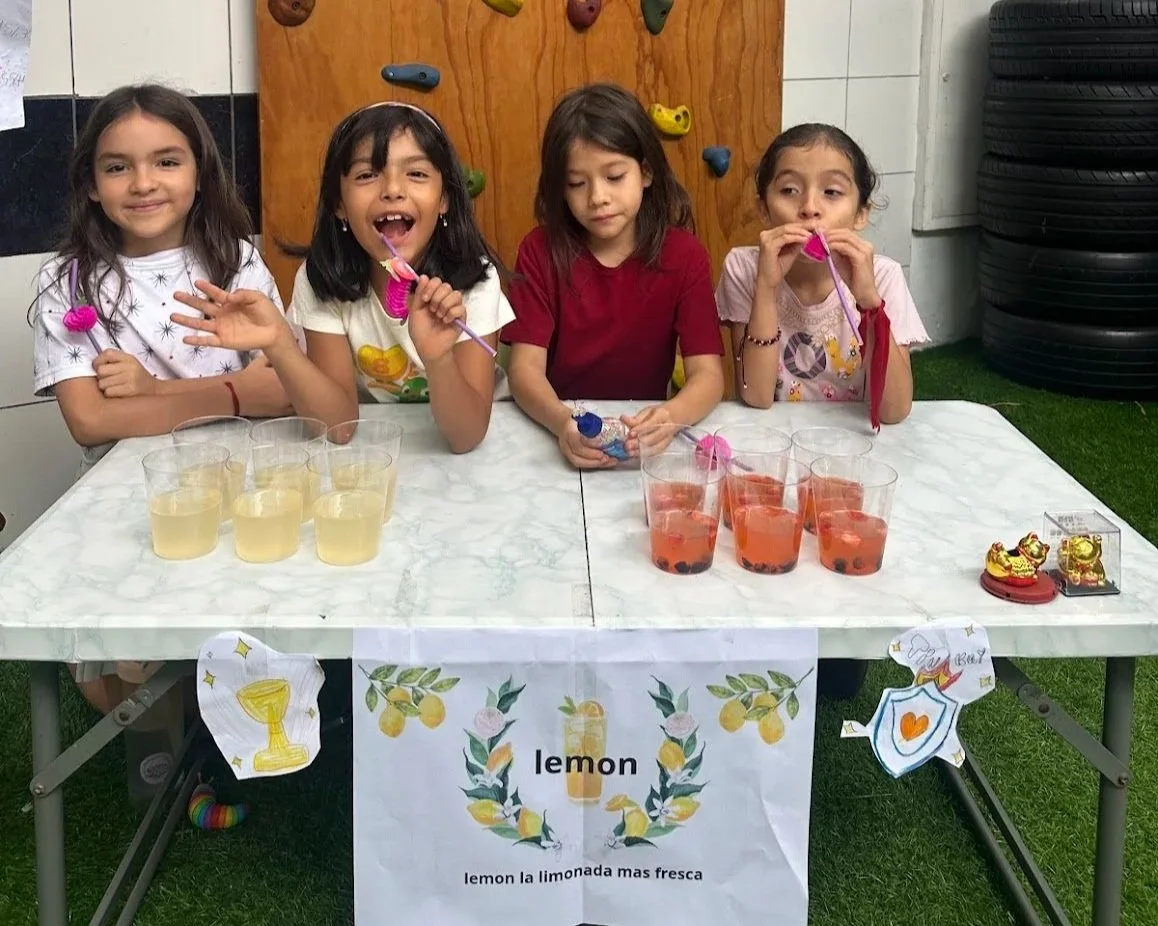
Before the lemonade stand existed, there were questions. How much should a cup cost? What happens if ingredients are too expensive? How do you convince someone to buy your product? What makes a recipe worth coming back for?
The Quest slowly transformed those questions into action.
Some days were dedicated to testing recipes, adjusting sweetness, comparing flavors, and deciding what made a “good” lemonade. Other days focused on researching prices, calculating costs per cup, organizing materials, or discussing how to make a profit without losing quality.
And somewhere in between the math, the tasting, and the planning, something else started to happen.
Different Pumas began shining in different ways. Some discovered they enjoyed leading conversations. Others became deeply focused on details and calculations. Some learned how to adapt quickly when things did not go as planned. Others noticed the importance of teamwork or patience under pressure.
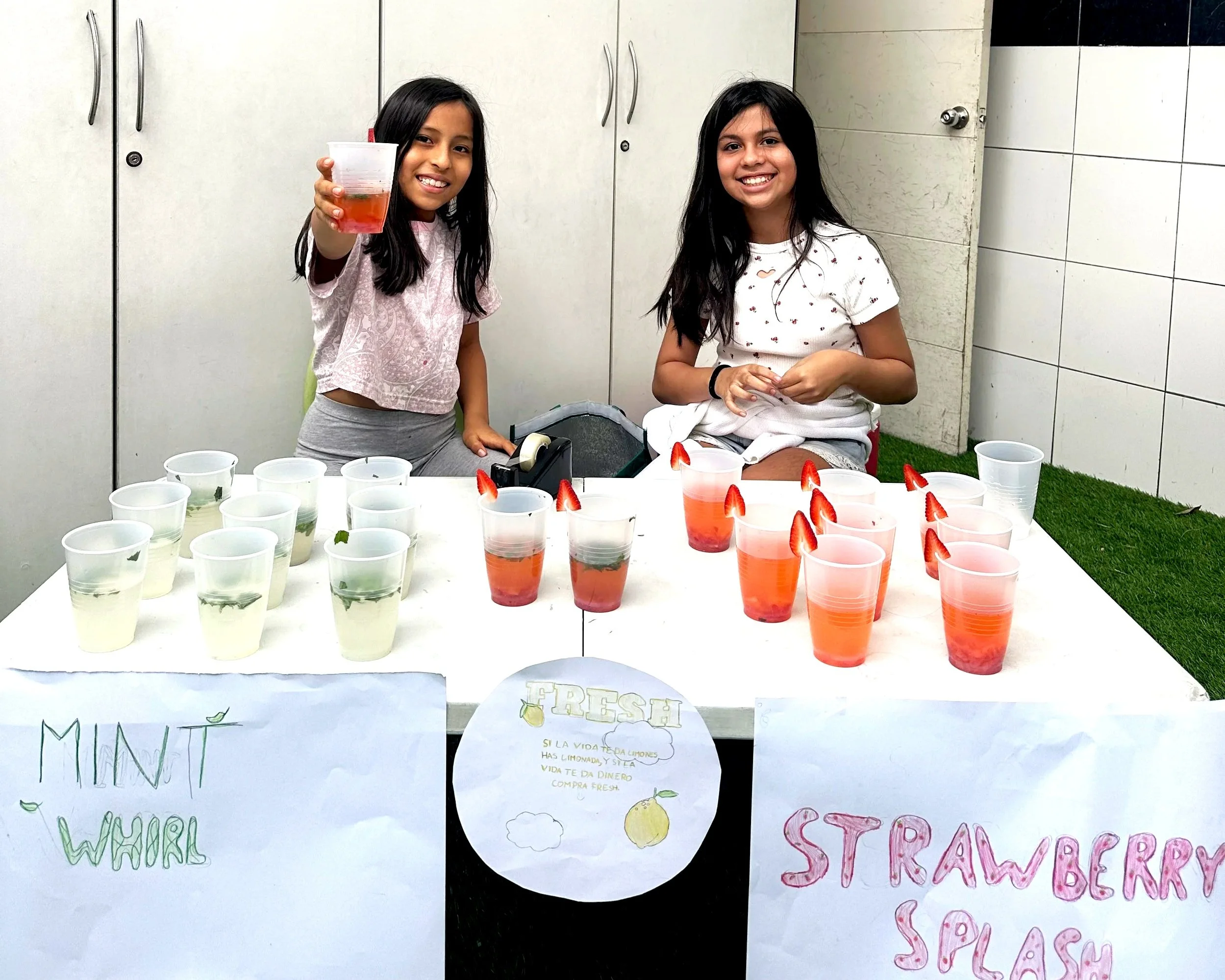
The lemonade stand itself lasted only a short time. The learning behind it stretched much further.
For some Pumas, the most memorable part was seeing a customer enjoy something they had created. For others, it was realizing how much preparation exists behind even the smallest business. A few walked away thinking about money and value in a different way. Others discovered confidence in speaking, organizing, or making decisions alongside their tribe.
And maybe that is one of the most interesting parts of learning by doing: everyone experiences the same Quest, but no one leaves with exactly the same lesson.
When learning becomes tangible, it changes shape.
Math becomes strategy.
Writing becomes persuasion.
Collaboration becomes necessary.
Mistakes become information instead of failure.
So what does learning by doing actually look like?
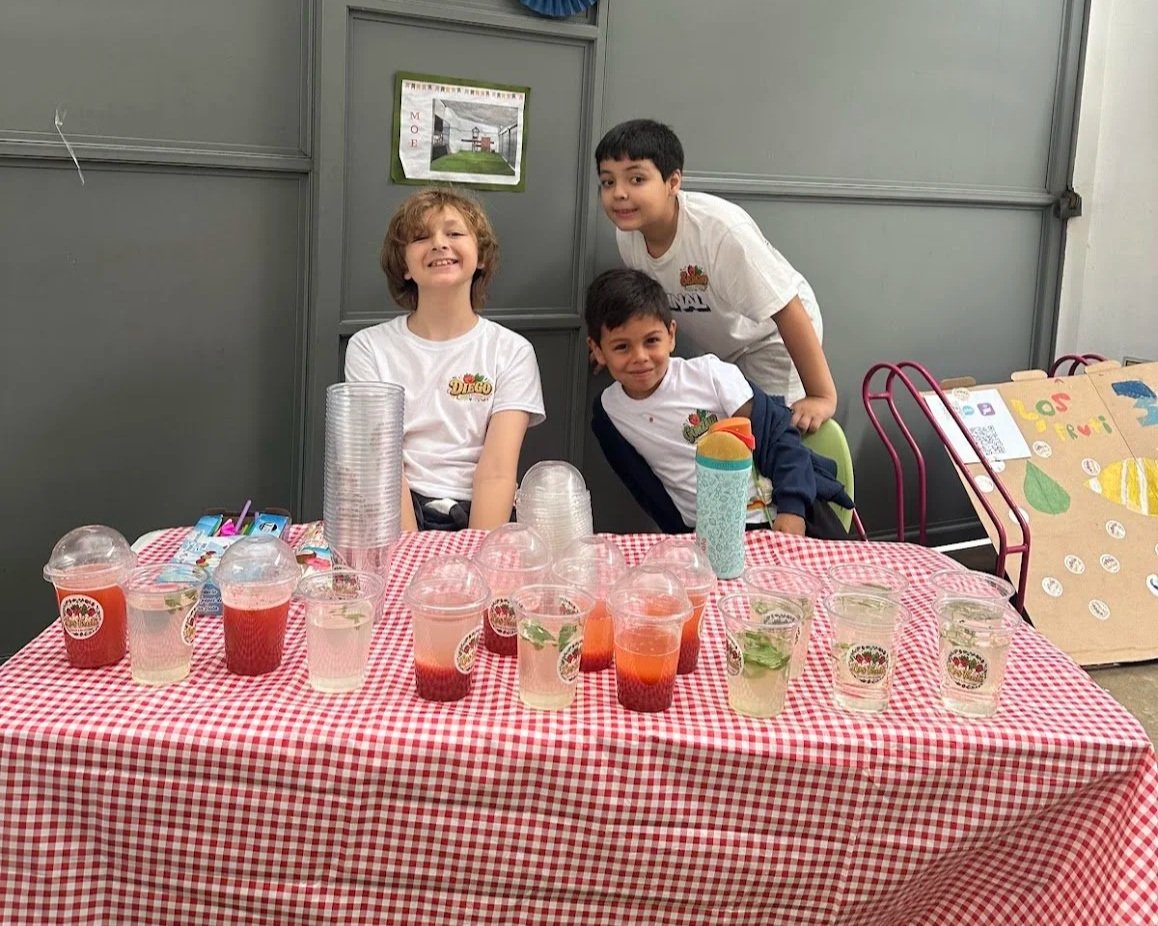
Sometimes it looks like spilled lemonade, rewritten calculations, changing plans, nervous smiles before opening sales, and proud reflections afterward.
And sometimes, it looks like a group of Pumas discovering that they are capable of much more than they thought.