By Rosa María Torres
Entrepreneurship also means learning to wait, organize, and work as a team
Like every year, the second session Quest is E-Ship (Entrepreneurship).
It is an experience in which the Pumas imagine, design, and execute their own entrepreneurship project.
Although we often see the final result during the fair or Exhibition, the real learning happens throughout the entire process: in the decisions they make, the changes of ideas, the organization, and the challenges that arise along the way.
Below, I would like to share a little more about how the Pumas experience this journey and why it represents such a meaningful challenge for them, through a few important themes.
Entrepreneurship or playing at the fair?
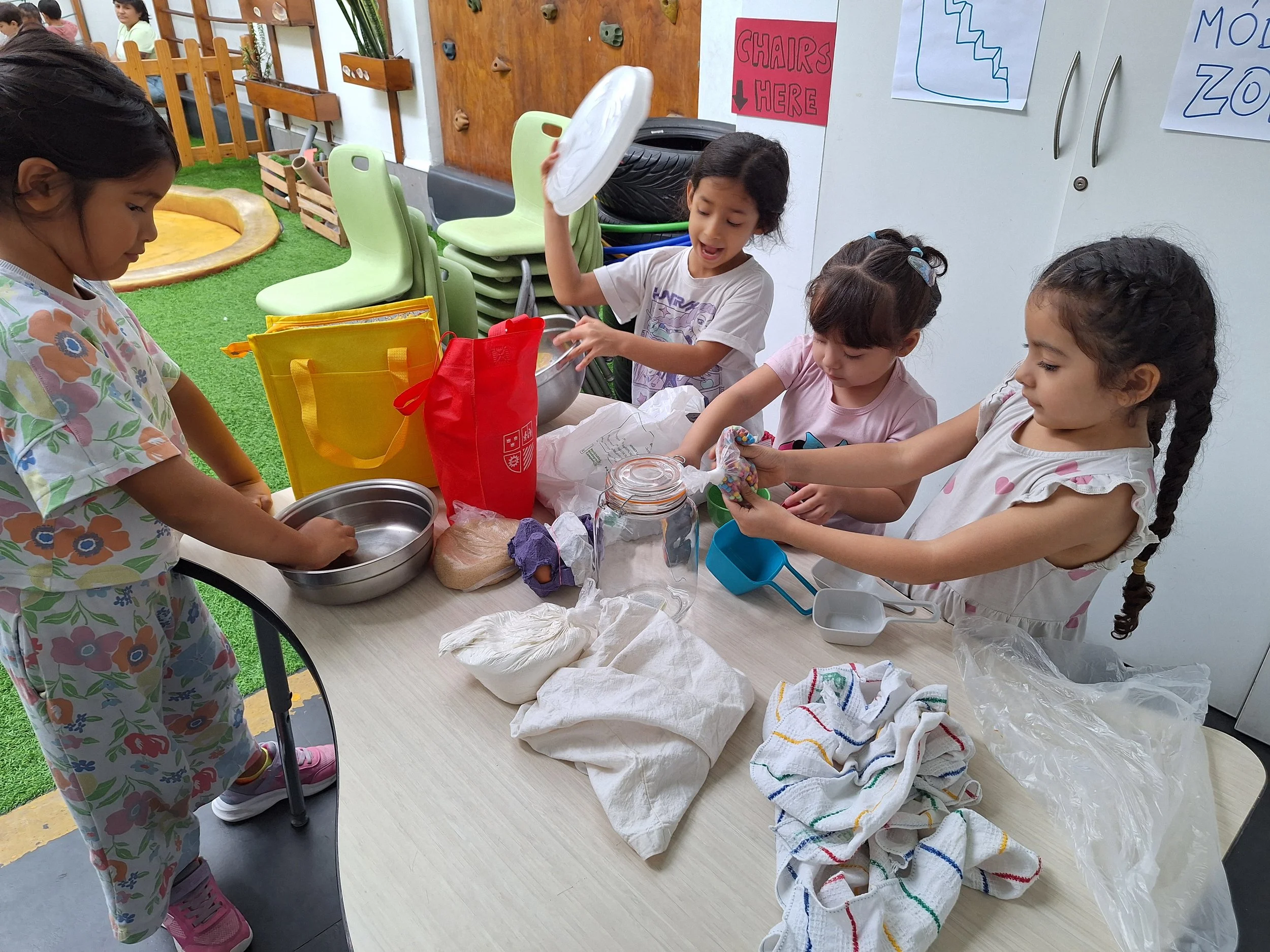
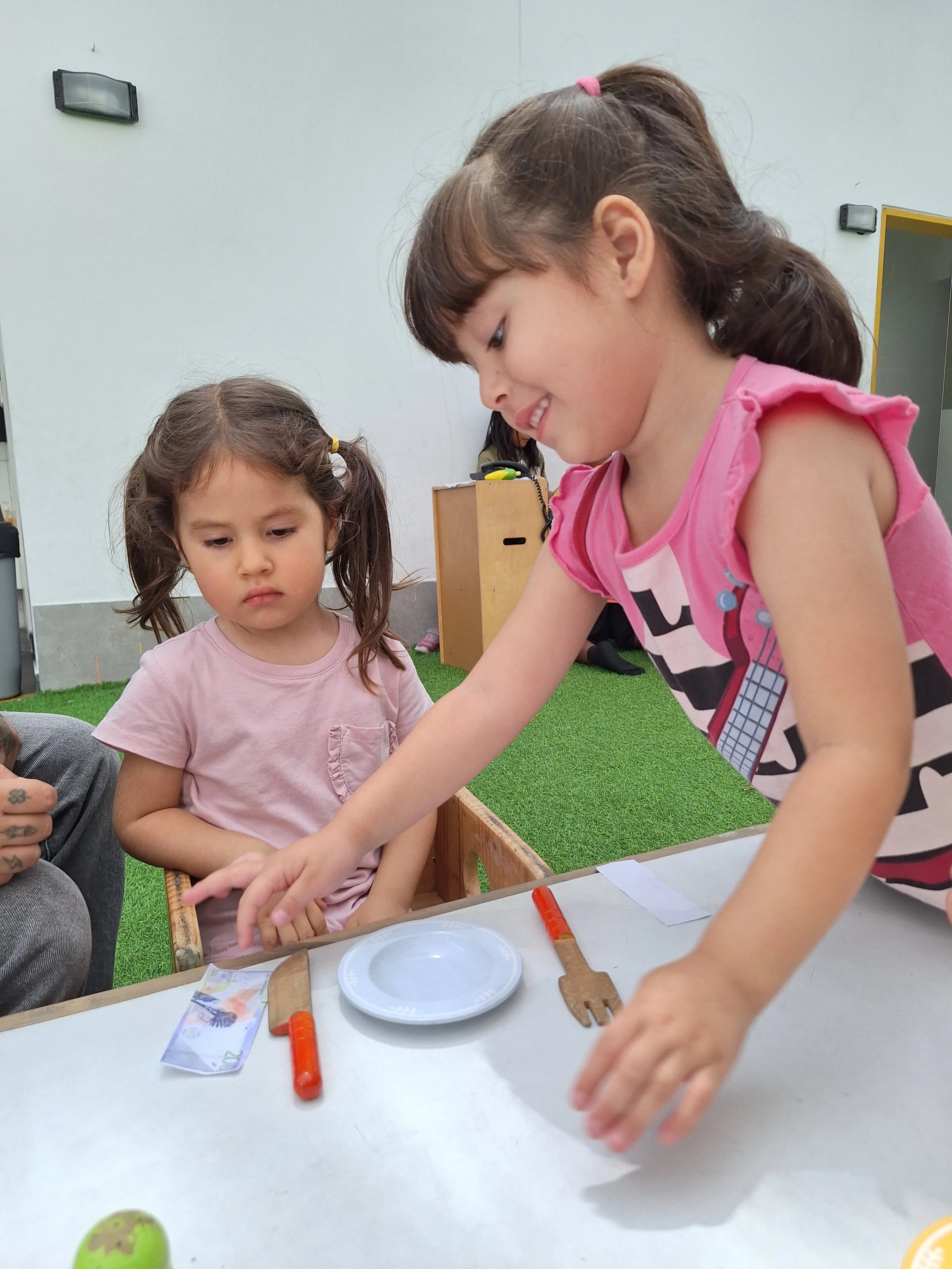
One of the first challenges is deciding what kind of experience they want to create. Some groups choose to develop a more “real” business by preparing actual products to sell, while others prefer to explore the experience through symbolic play, creating a fair without necessarily using real materials.
This first decision involves thinking step by step about what each option requires and how prepared they feel to take it on. The challenge is always adapted to the group’s needs and interests.
Forming teams and choosing interests
Teams are usually formed freely. This means the Pumas need to observe, talk, and choose who they want to work with based on shared interests.
For example, some may want to prepare and sell cookies, while others prefer making bracelets, pizzas, or decorative objects. It's not just about choosing friends, but making partnerships based on interests and goals.
Pumas can also choose to work individually.
Whether working in groups or alone, we reflect together on what it means to be ready to start a business:
What responsibilities does it involve?
How will we organize ourselves?
What do we need to sustain our idea?
From there, we create a small checklist together that accompanies us throughout the following weeks.
First, we all play together
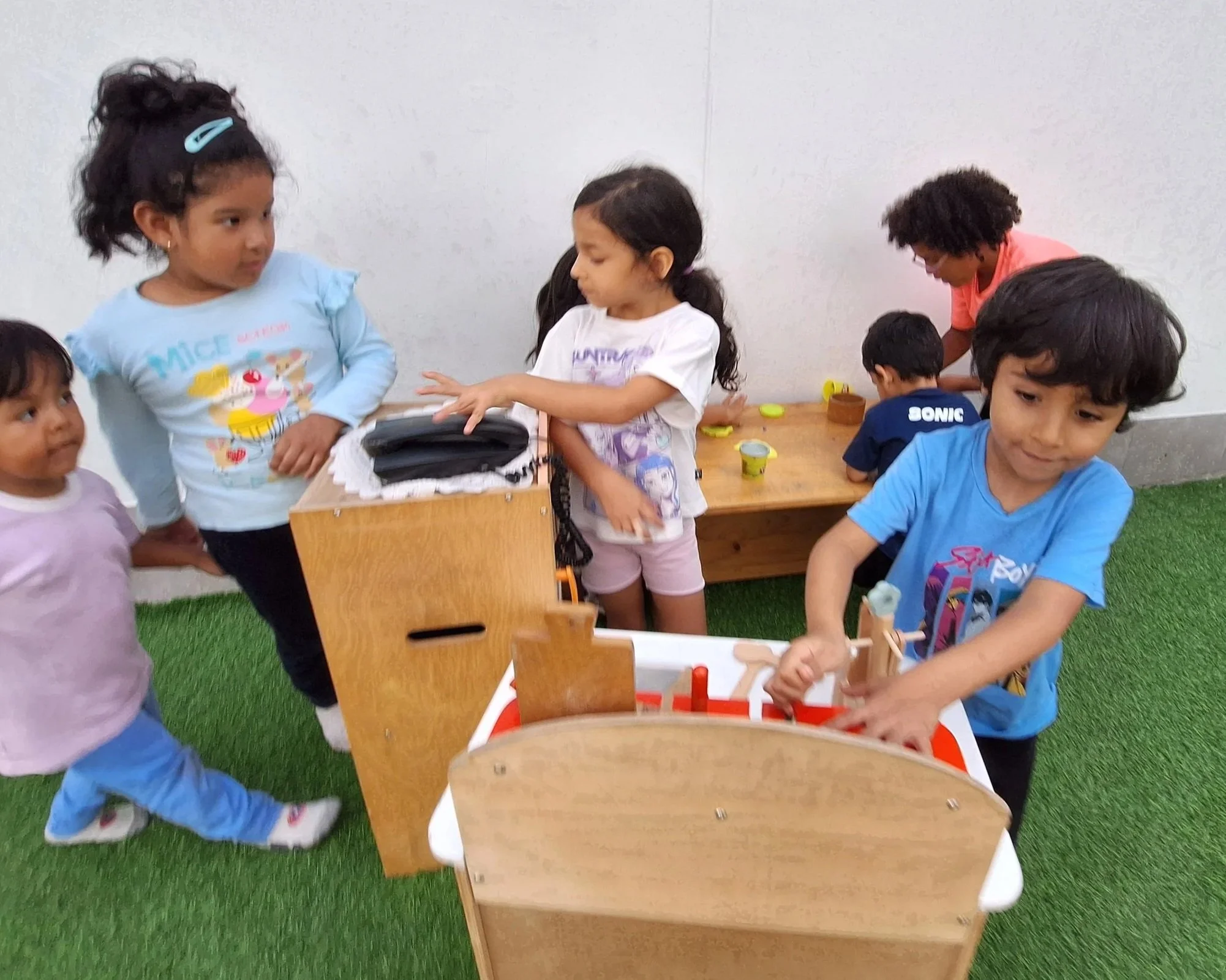
Before launching their own businesses, the Pumas experienced different challenges as one big company.
They create a small “shop,” choose a theme, and distribute roles among themselves. Afterwards, we reflect together on how their organization worked by asking questions such as:
Were they able to communicate?
Did everyone participate?
What was difficult?
What would they need to improve?
This playful moment allows them to experience in a concrete way what it means to collaborate and sustain a collective idea.
Creating an identity: names and logos
After the first challenges, each team begins designing the name and logo of their business.
At this stage, they face another important challenge: making sure that identity truly represents what they want to create or sell.
For many Pumas, this becomes one of the most exciting moments of the process because they begin to feel that their idea is becoming real.
Learning how to sell: the sales pitch
An essential part of the Quest is learning how to communicate what they offer. The Pumas first practice through play by trying to sell imaginary, magical, or funny products. Later, they move on to building the sales pitch for their real business:
How should they present their product?
What should they say to people?
How can they explain why someone would want to buy it?
This exercise strengthens communication skills, confidence, and creativity.
Navigating toward the “Economic Island”
Later on, the Pumas enter what we call the Economic Island, where they complete simple math exercises to calculate what materials they need, how much they should produce and how much they will charge for their products.
Through play, they begin to connect with ideas related to planning, costs, and organization.
Preparing Exhibition Day
During the last couple of weeks, Pumas test their products. They make prototypes or samples, see how the process flows, ask for feedback and find ways to improve.
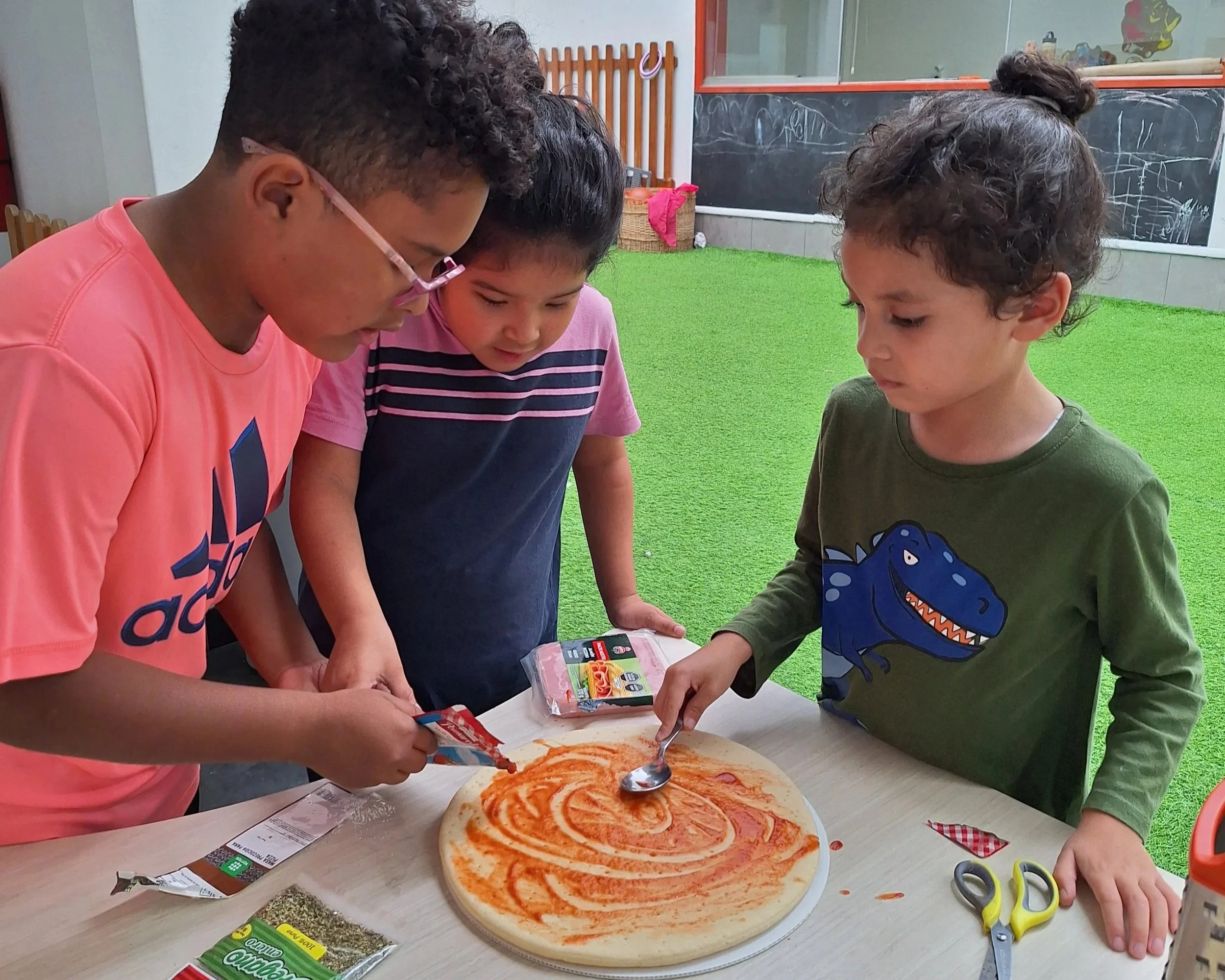
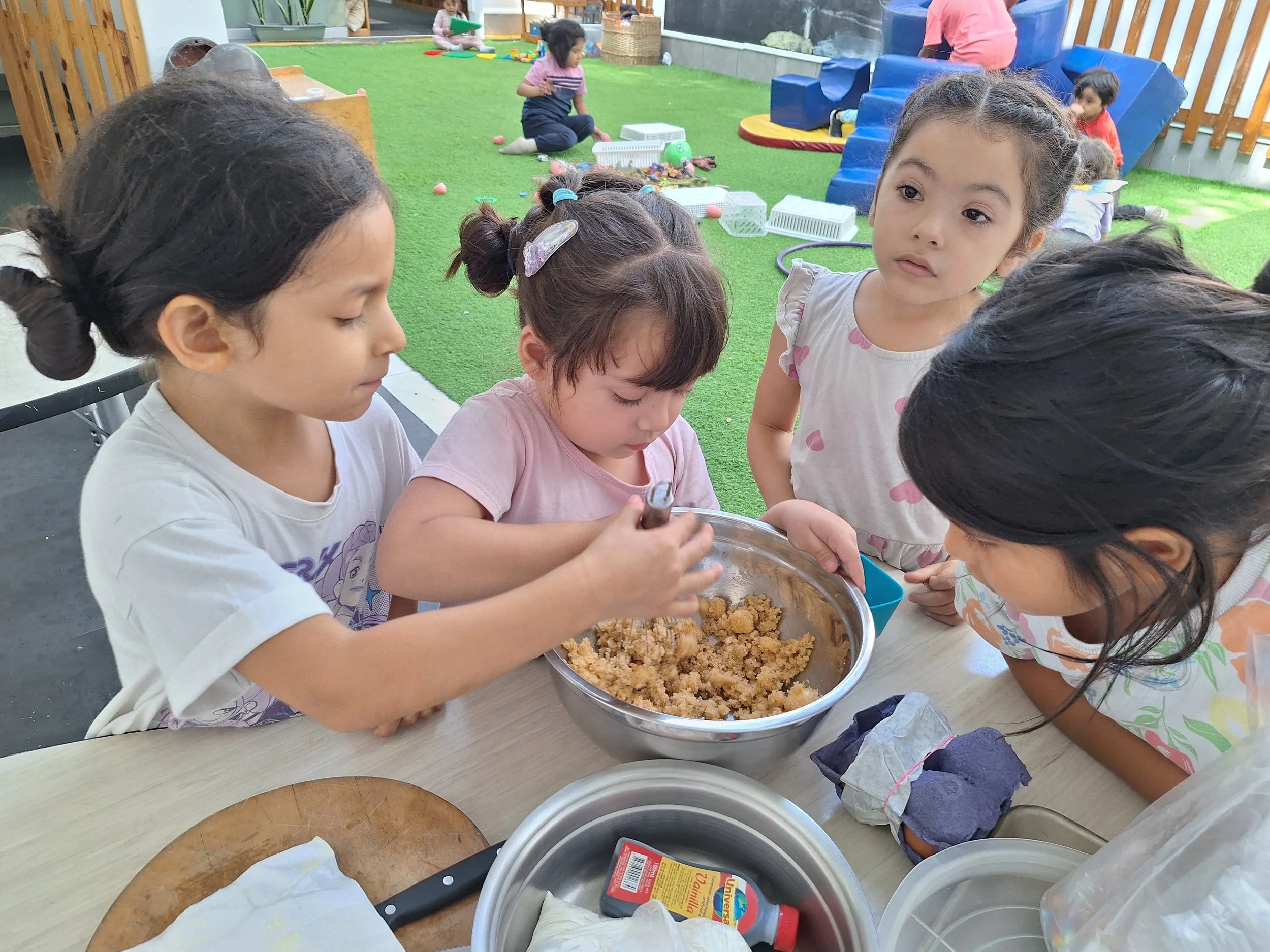
Finally, the day of the fair arrives. The Pumas prepare their tables, organize their materials, practice their sales pitches once again, and welcome the people visiting their businesses.
It is an exciting moment because they get to share with others all the work they have done over the past weeks.
A process that is not always linear
The process is not always linear or perfect.
There are Pumas who, even close to the day of the fair, constantly change their ideas, are still unable to decide what to sell, do not finish their logos, or realize they are not yet ready to sustain a business project.
And that is completely okay.
Entrepreneurship does not mean forcing the creation of something simply to achieve a final result. Rather, it means having a genuine desire to take on the challenge. When a Puma is not ready yet, other ways of participating are offered:
observing the process of others,
temporarily helping another team,
supporting specific tasks,
or remaining active in the experience from a different role.
Because learning is not only found in the final product, but also in the process each child experiences.
Often, simply observing, accompanying others, and understanding how a business works already becomes a valuable learning opportunity.
And when a Puma still needs more time, they will always have the opportunity to try again the following year.
Voices from the Pumas
“I like preparing the materials. I like the experience of selling and preparing what other people are going to eat. The hardest part is organizing who will chop, who will bring the materials, and other things”.
— Catalina, 7 years old.
“I really like selling. Preparing my materials makes me tired, but I like seeing when people enjoy the pizza”.
— Matías, 5 years old.
“I liked pretending that the whole tribe was one big company, and I had fun. Then I didn’t know what business to create, but now I already have some ideas”.
— Julieta, 5 years old.