
By Ines Kudo
This past session, the Ascend Pumas explored Peru’s struggle for independence and the first decades of the Republic, from San Martín’s arrival to the final confrontation with Spain.
They wrestled with difficult Socratic questions: Would you sign the Act of Independence if doing so could put your family, your property, and your life at risk? If you were San Martín, would you have set aside the dispute over Guayaquil to secure Bolívar’s support? What makes a president legitimate? Can a country call itself free while inequality, forced labor, racism, and exclusion continue?
Most said they would sign the Act of Independence, even knowing the cost. Giulia wrote, “I want a world with democracy, freedom, and equality, unlike what we have now, which is a world of racism, sexism, injustice, and social classes.”
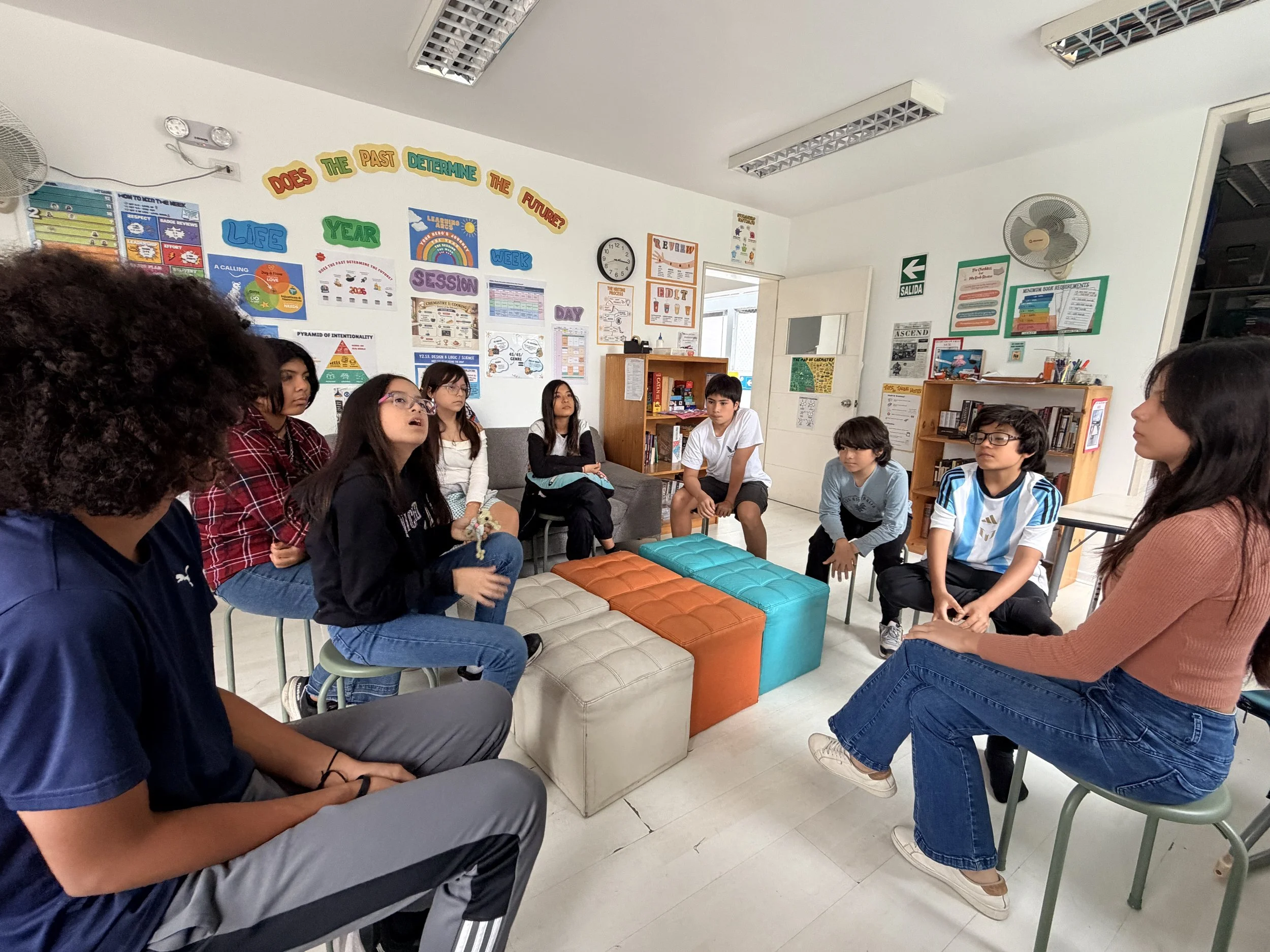
Mayu focused on those who had no voice in the decision: “There are many people who would not have the opportunity to sign something like this: women, Indigenous people, commoners, and enslaved people, people who deserve it much more than I do.”
Camilo argued that staying silent would allow oppression to continue. Guillermo was willing to take the risk because signing, for him, was worth it “for my people.” Maitane also saw freedom as something more valuable than wealth or status.
Daniel and Lucía chose not to sign. They worried about the innocent people who would die, the economic cost of war, and the burden that would fall most heavily on families with fewer resources. Their reflections reminded us that independence was never a simple or guaranteed choice for the people living through it.
They began asking whether political independence had truly changed who held power and whose lives were valued. Leyla wrote, “Independence did not completely mean that people were free from injustice, classism, and racism.”
Having worked on education policy for most of this century, I was particularly moved by the Pumas’ responses to this question:
It is 1822, and Peru is now an independent country with many decisions ahead. Based on what you know, you have been invited to join the commission designing the country’s education priorities. What should Peru focus on, and why?
It was inspiring to see how differently they approached the question. Sofía focused on the skills citizens need to live well: reading, writing, mathematics, history, science, and physical development. Her reasoning was practical. People need to communicate, understand prices, respond in emergencies, and learn from what their country has lived through.
Maitane looked at the immense task of rebuilding a country. She chose agriculture, navigation, economics, mathematics, and logical thinking, all connected to survival, food security, public decision-making, and problem-solving.
For Mayu, education also had to build character. He named honesty, kindness, freedom, justice, and responsibility alongside academic and technical skills.
Camilo shifted the question from what should be taught to who should have access. He argued that education should reach poor and Indigenous communities, rather than remain concentrated among wealthy or white families. For him, access was both a right and a necessary first step toward a more equal society.
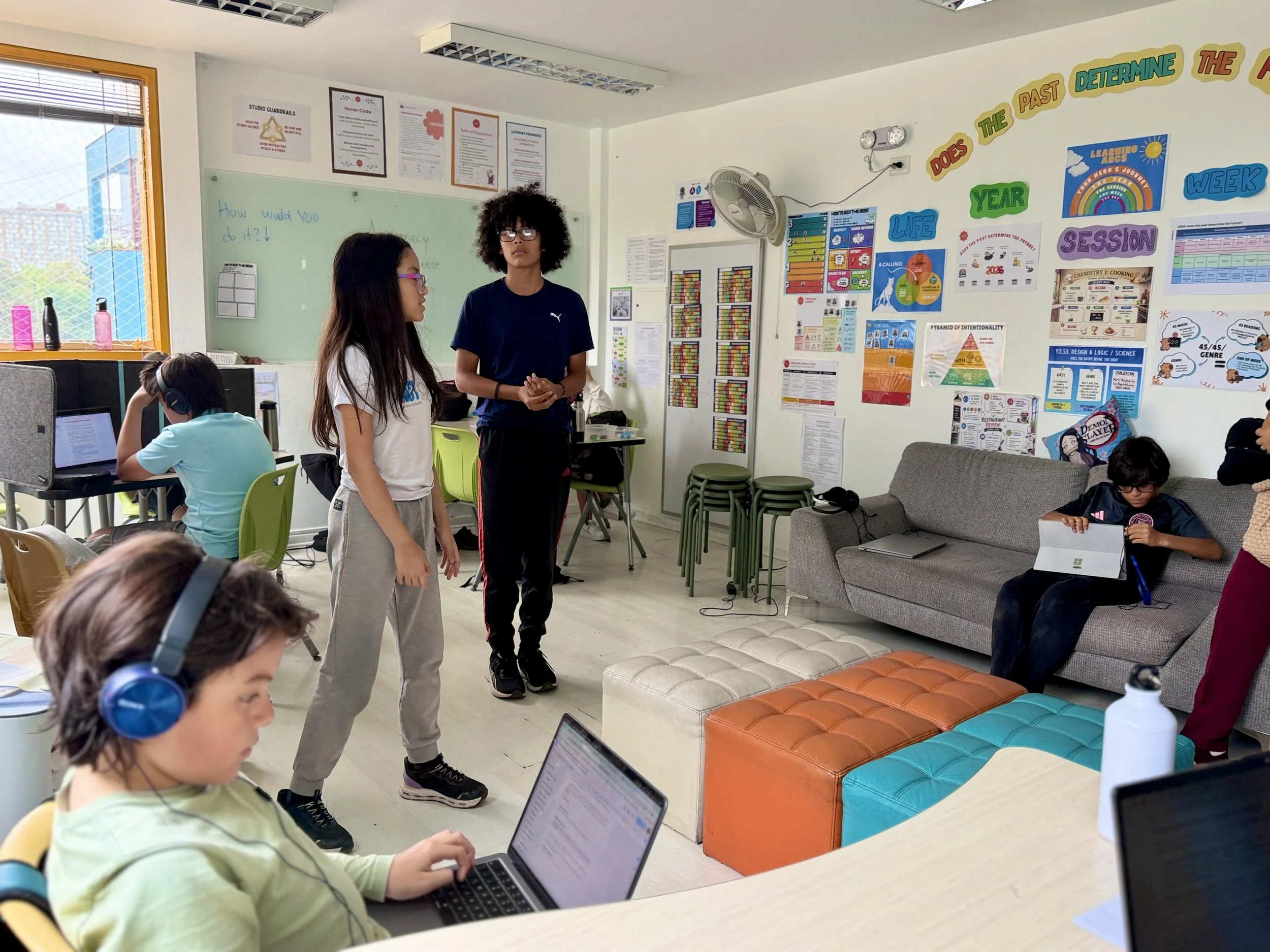
Along these lines, Guillermo imagined a public, democratic, and unified education system. His priority was citizenship and identity: an education that would help citizens understand their rights and responsibilities and develop a shared sense of belonging.
They then turned to leadership and democracy. Who gets to decide? What happens when only a few people participate? How do we avoid repeating the violence, corruption, and exclusion of the past?
Giulia wrote, “We can learn from what worked in the past and avoid repeating what went badly.”
Daniel emphasized what a young Republic needs to endure: economic recovery, building functioning institutions, and leaders who do not turn to violence or corruption. Lucía looked at legitimacy, arguing that leaders should be chosen by the people and that democracy depends on broad participation.
Leyla added an important nuance. She did not believe past heroes should be judged only by what they failed to understand in their time. Heroes are human, she argued; they can act with courage and still fail to see the injustices around them.
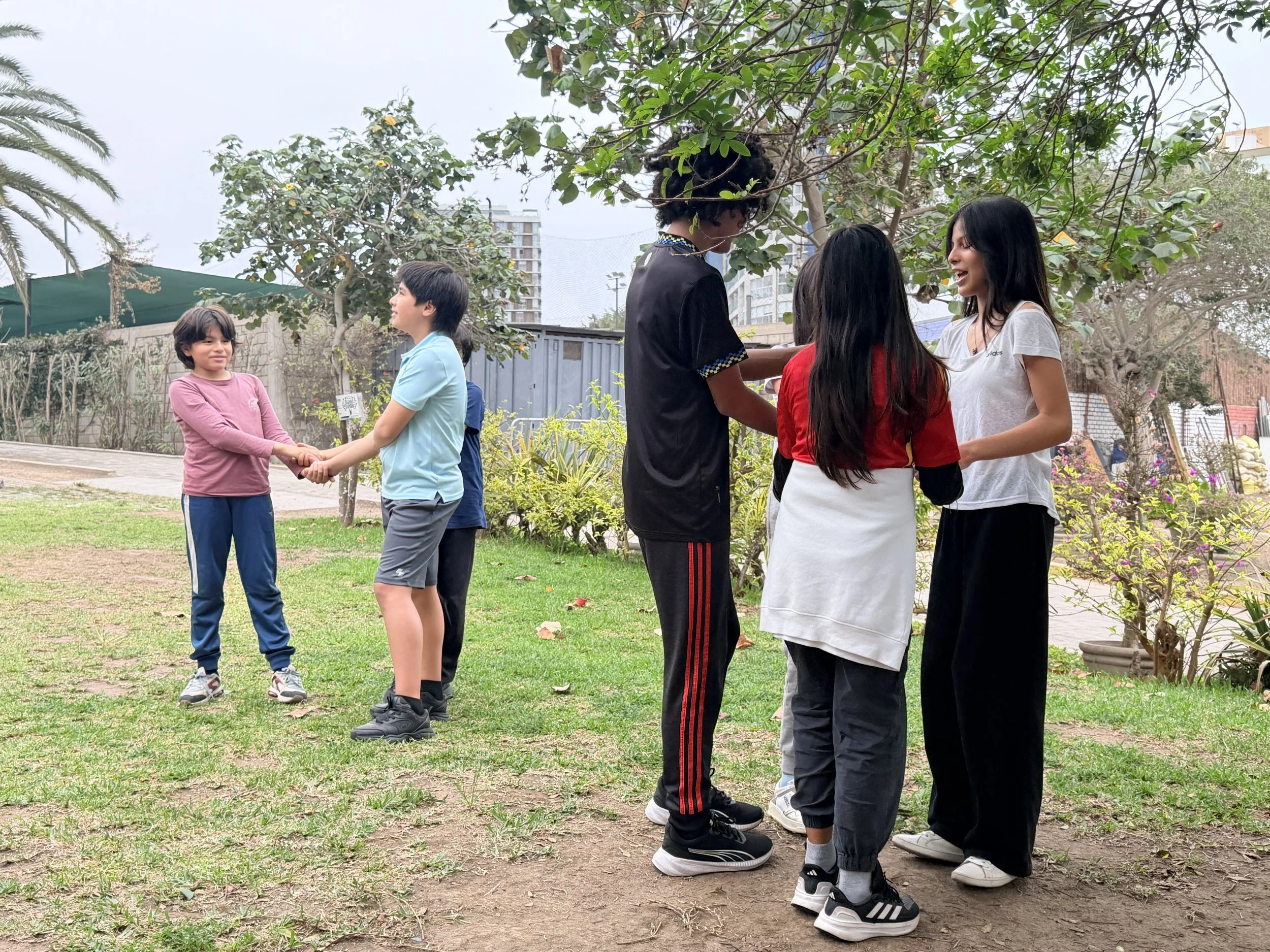
Our Pumas imagine a Peru where freedom reaches everyone, dignity is not determined by wealth, gender, origin, or social position, and leaders understand the human impact of their decisions. They want a country where people participate with responsibility, differences are respected, and justice is a lived practice, not an unfulfilled promise.
As we approach the 205th anniversary of our independence, I invite you to look beyond the festivities and ask: what kind of country do you want to help build?
The Peru we want and deserve will be shaped by the choices we make every day. This July 28, may we live our values with courage, integrity, empathy, and responsibility.
¡Felices Fiestas Patrias!