
By Rosa Torres
“Children learn who they are from the way we speak to them.”
Peter H. Johnston
As part of our ongoing training as Socratic Guides, we have opportunities to connect with other Acton Guides from around the world through spaces called Guide Squads (GS). These gatherings are incredibly enriching, as they allow us to share experiences, reflect on our practice, and learn from one another.
One of our Guide Squad sessions focused on the book Choice Words: How Our Language Affects Children’s Learning by Peter H. Johnston (2024, originally published in 2003). In this book, Johnston develops the idea that children learn who they are through the way adults speak to them. In this sense, language plays a fundamental role in shaping children’s identities, both in the classroom and in everyday life.
Johnston emphasizes that open-ended questions foster critical thinking, metacognition, and autonomy, as dialogue encourages children to develop agency and reflect on their own thinking. He invites educators to see the classroom as a community of dialogue, rather than simply a space for finding correct answers or receiving constant praise. Excessive adult approval, he argues, can create a dependence on external validation rather than helping children develop an internal sense of competence and confidence.
Although this is a book primarily intended for people working in education, I believe it can be incredibly valuable for you, the Mamapachas of our Tinkuy community, because it offers practical strategies for communicating with children. It reminds us that learning does not depend solely on methodologies, materials, or content, but also on something much more present in our everyday lives: the way adults communicate with children.
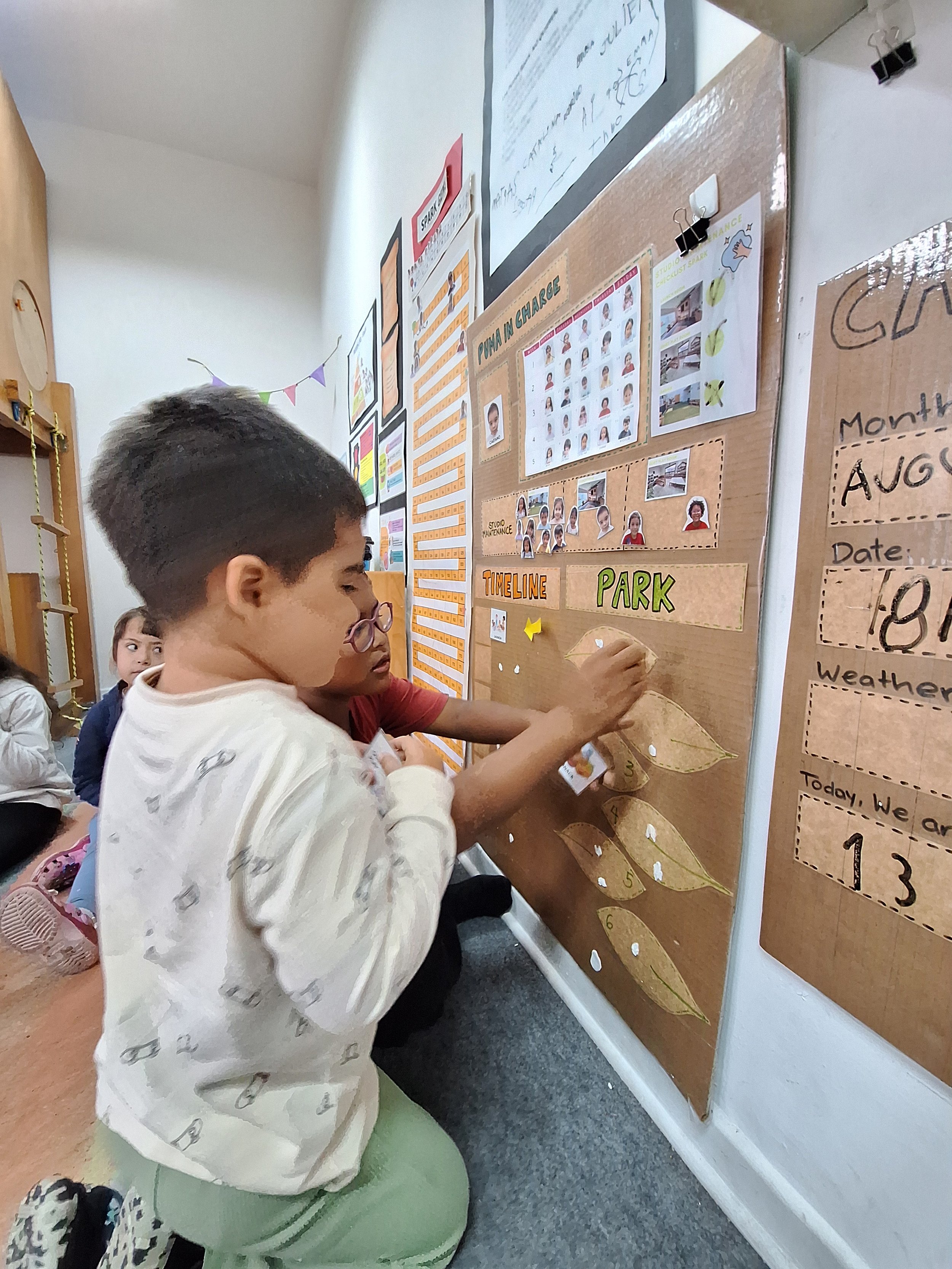
Peter Johnston demonstrates that every word an adult uses can either strengthen or limit a child’s sense of identity, autonomy, and motivation. In this sense, educators influence how children perceive themselves, how they respond to mistakes, and whether they approach learning from a place of dependence or from one of reflection and agency. For example, instead of saying, “That is wrong,” we might ask: “What were you trying to do here?”, “What other possibilities do you see?”, or “How did you arrive at that idea?” Through these kinds of interactions, Johnston challenges the traditional idea of teaching. Education is not only about transmitting knowledge; it is also about nurturing individuals who are capable of thinking, making decisions, and trusting in their own abilities. Even the language we use when setting boundaries can shape children’s experiences. We can communicate limits in a way that is concrete, clear, and respectful, without overexplaining or turning every situation into a long conversation. The words we choose can help children understand what is happening while also preserving their sense of agency.
As a Socratic Spark Guide, this book reminded me that accompanying children does not mean constantly directing or correcting them. Instead, it means creating conversations that give children opportunities to think for themselves, explore, make mistakes without fear, and develop inner confidence. This can be encouraged through simple strategies: turning commands into questions, avoiding labels, describing processes rather than judging results, and listening more attentively to children’s ideas. In my everyday practice, I have also noticed something particularly meaningful: the words and phrases I use to help regulate an emotion or mediate a conflict often become part of the Pumas’ own language. They repeat them, adapt them, and use them with one another. In other words, I can see how they constantly absorb and reproduce the strategies they observe in the adults around them.
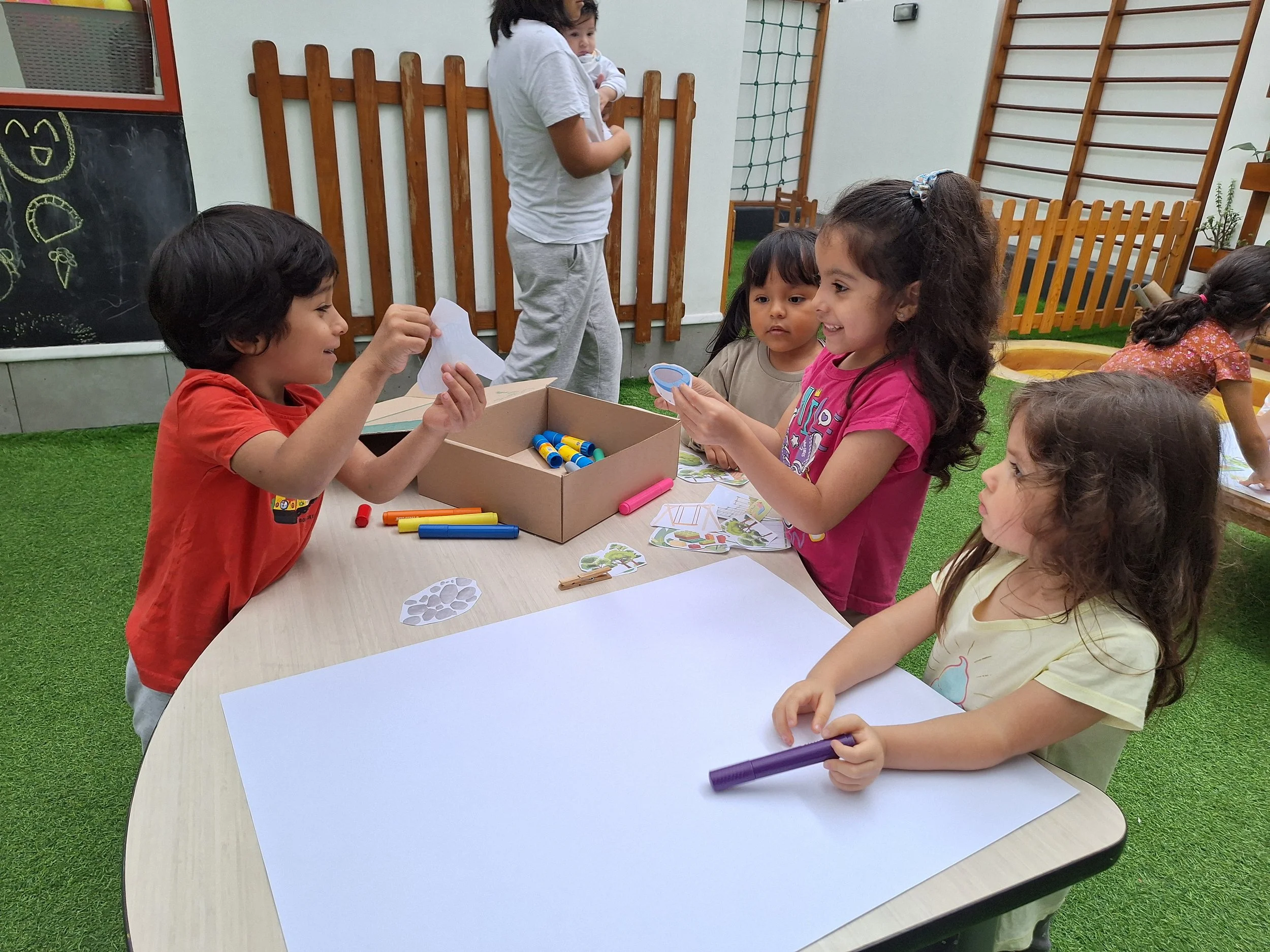
This has made me even more aware of the responsibility we have as Guides and as adults. Our language is not simply something we use to communicate; it becomes part of the environment in which children learn who they are, how they relate to others, and how they approach challenges. In this way, Choice Words reinforces a respectful and democratic view of childhood—one in which children are not passive recipients of knowledge, but active participants in their own learning.
Choice Words reminded me that the words we choose are part of the environment we create. Every question, affirmation, correction, and boundary can become an opportunity for children to develop a stronger sense of who they are and what they are capable of. And perhaps this is one of the most powerful lessons we can take from the book: sometimes, changing the way we speak to children can change the way they learn to speak to themselves.