By Ines Kudo
Next week, Tinkuy turns nine.
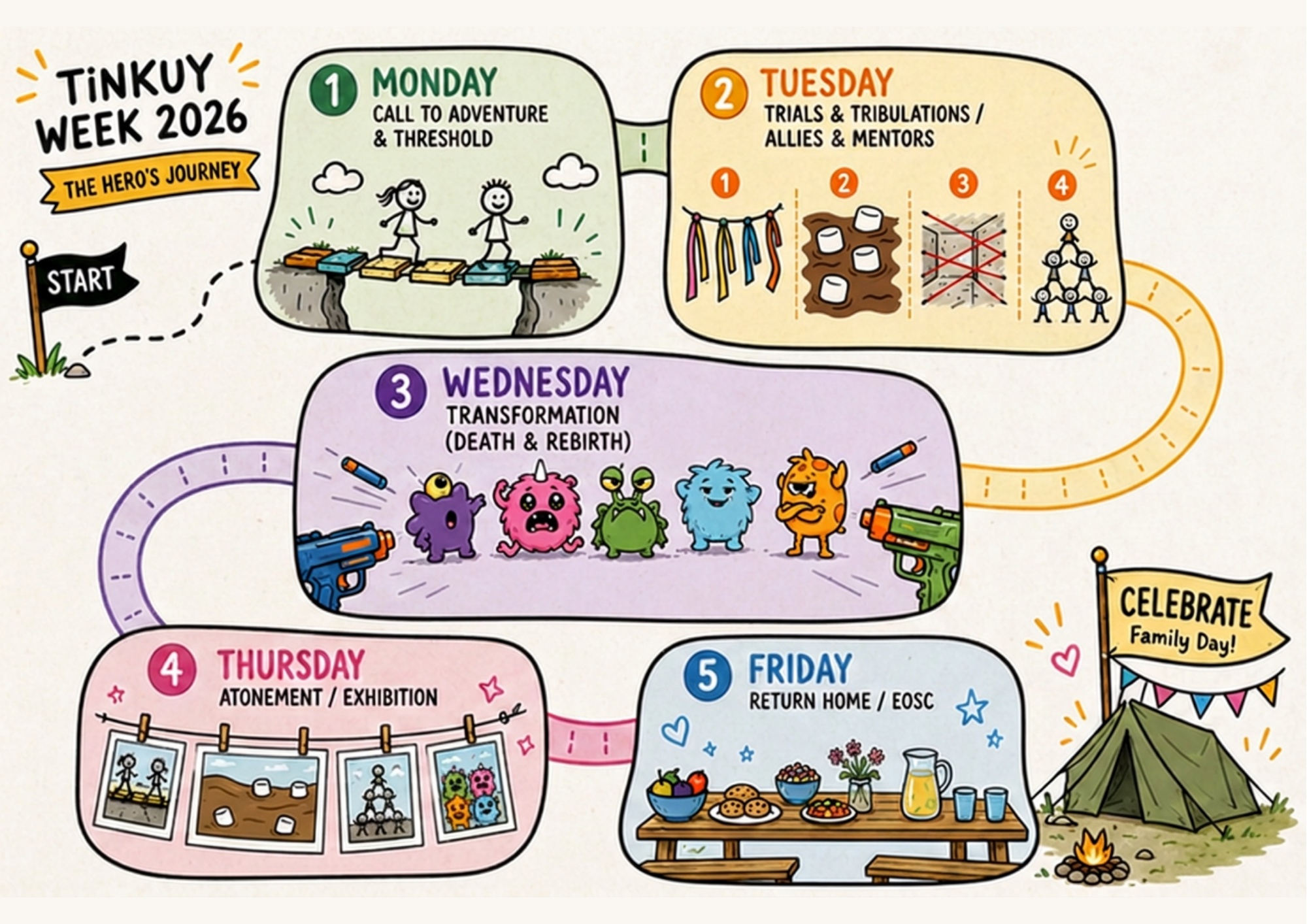
To celebrate, we’re dedicating Tinkuy Week to the Hero’s Journey, a story of growth and transformation through trials.
As we plan the week, I find myself thinking about three hero archetypes in Tinkuy. I've called them: The Rising Star, The Late Bloomer, and The Wandering Maverick. There may be more, but these three have taught and inspired me the most.
They are not portraits of particular Pumas, but familiar patterns I’ve noticed in how capable children navigate expectations, challenge, pace, and uncertainty, and how their parents’ understanding and support makes a difference.
The Rising Star
From an early age, the Rising Star surprises everyone with quick wit, curiosity, and an ease with learning. They ask interesting questions, express themselves with ease, and seem ahead of their age. Relatives boast: “She’s a genius.” “He’s so smart.”
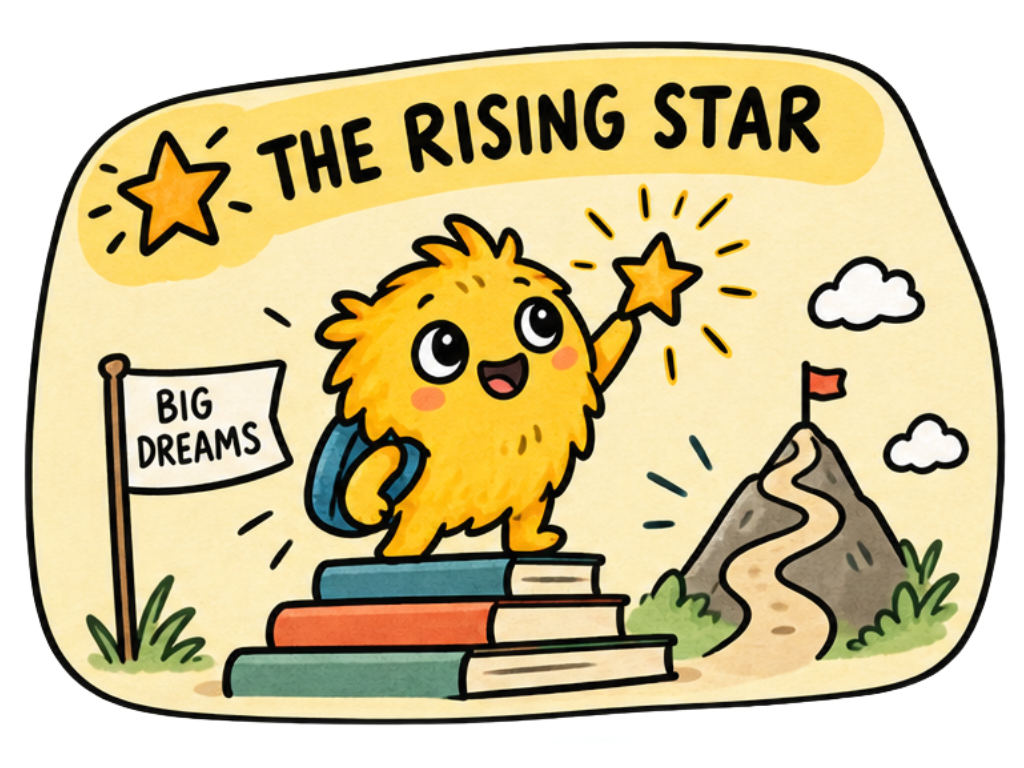
Before long, everyone is imagining what they might accomplish.
Once at Tinkuy, Rising Stars seem to confirm it all. They learn quickly, set ambitious goals, and excel. But somewhere along the way, praise inadvertently turns into pressure. Rising Stars want to keep being the child everyone believes they are, and disappointing them feels scary.
Inevitably, the journey gets harder, and things that once came easily now require real effort. When they fail, as everyone eventually does, it shakes them to their core. Maybe I’m not as smart as everyone thought.
Resistance takes root. Afraid to fail, Rising Stars avoid difficult tasks, hide mistakes, and refuse to ask for help because they don’t want anyone to see them struggling. Some even cheat, trying to keep up appearances.
Wanting to help, parents ask why they didn’t finish their goals, or, when they do, why they aren’t reaching even higher. Rising Stars feel that whatever they do, it will never quite be enough. What else do I have to do to earn the right to play without feeling guilty for “wasting” time?
As they grow and learn to navigate the systems, they become rigid about rules, police others, or give hurtful feedback, wanting their tribe to live up to the same high expectations they hold for themselves. They are called “mean” and “unkind,” and struggle to understand what is expected of them. This, too, is part of their journey. They will learn to be kinder to themselves by first learning to be kinder to others, Peace Table after Peace Table.
Seeing their child no longer shine as before, makes the instinct to find a kinder path very strong, and some decide to leave.
For those who stay, the turning point begins when parents learn to step back from their own fears and expectations and make room for their child’s journey. In turn, the Rising Star discovers something liberating: I am worthy whether I am ahead, behind, struggling, or succeeding.
With that freedom, they set their own pace. They work because something matters to them, take on challenges because they are curious, and dare to fail because they want to learn. They become proud of their courage.
They stop living the story others imagined for them and begin writing their own.
And with all that initiative and resourcefulness, when they feel ready, they choose to serve the tribe as effective, dedicated leaders.
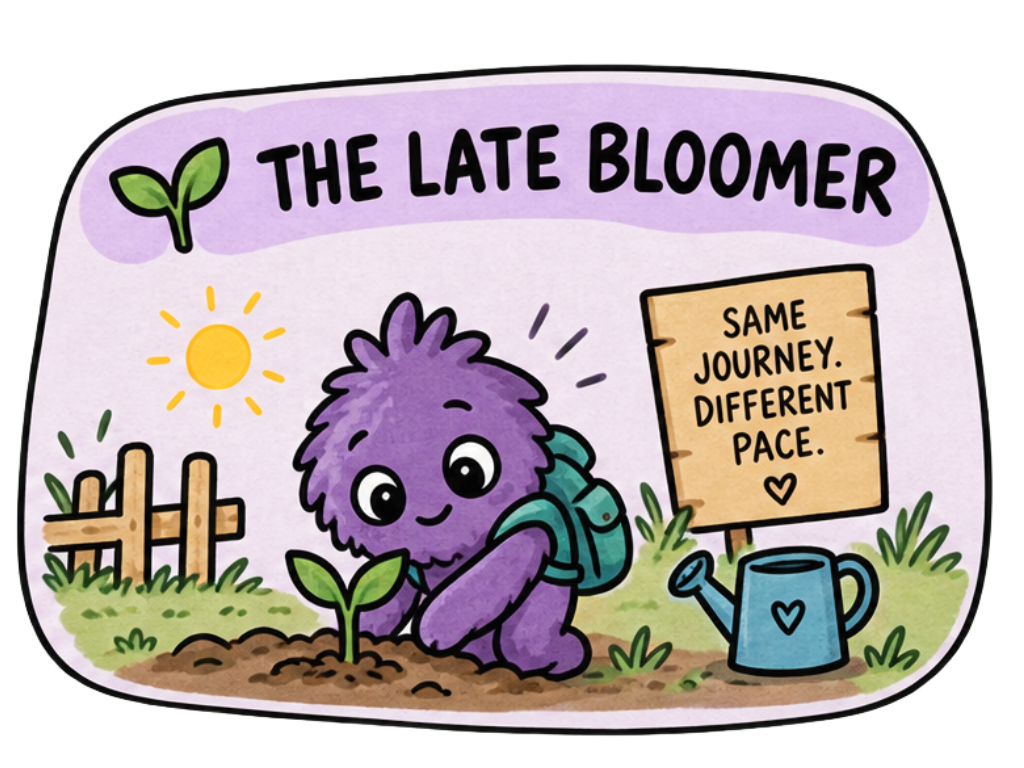
The Late Bloomer
The Late Bloomer takes their time. They take longer to walk, speak, read, self-regulate, or develop skills that seem to come naturally to their peers.
For parents, the waiting is hard. As the differences with other children become more visible, tough questions creep in: Will they catch up? Will they be ready? Will they have what it takes? At first, they don't dare to ask out loud.
The struggle is real. Late Bloomers see younger children mastering things they themselves are still struggling with. They try, fail, and try again. Sometimes they simply don’t understand why it seems so easy for everyone else.
Resistance hammers that trying is pointless, while Victimhood whispers that it’s just unfair. Late Bloomers stop trying, feeling they won't make any progress.
Trying to help, some parents say, “It’s all fine, it doesn’t matter,” while others urge them to try harder. But Late Bloomers feel isolated, as though their struggle isn’t real or isn’t something they can talk about.
Some act out. Others become defensively competitive, finding areas where they feel successful. And many simply withdraw.
Watching their child struggle without seeing progress is deeply painful, and some families decide to leave.
For those who stay, the turning point comes when they seek help, make changes, and give their child the support through the challenges they face here. Naming the problem without shame is incredibly freeing.
Slowly, things start to change. A skill that once felt impossible starts to click. There is such joy in getting somewhere through effort, and that feeling makes them want to keep going.
Their confidence grows alongside their learning. They become proud of their grit.
Many Late Bloomers hit milestones later than expected. But when they do, they know themselves remarkably well. They know what helps them learn, when to ask for help, and how to keep going when something is hard.
And because they know what it feels like to struggle, they develop a deep empathy for other learners going through similar challenges, becoming patient mentors and caring partners. When they choose to lead, they do it with compassion.
The Wandering Maverick
The Wandering Maverick is a bit of both. From early on, everyone can see their incredible ability, flashes of brilliance that appear almost out of nowhere. Amazing, inconsistent, unpredictable. One day they surprise everyone; the next, they have forgotten what they were supposed to do, or seem at a loss with something basic.
At first, they make it work. They leave everything until the last minute and, in a frantic burst of energy, pull it together, sometimes even producing something wonderful. Because everyone has seen what they are capable of, their parents naturally wonder: Why don’t you do this more often?
As they grow, so do the demands. There are more things to remember, more goals to complete, more deadlines, and more diversions.
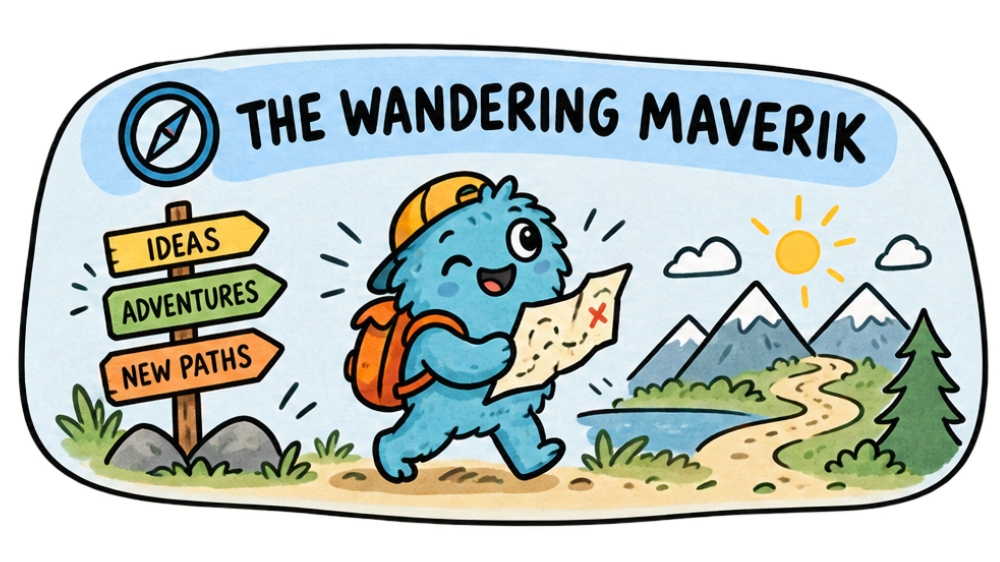
Distraction takes over. There is always another idea, another conversation, another rabbit hole to explore. They underestimate how long things will take, misplace materials, forget what they were doing, and fall behind. The setbacks start to weigh on them. This is when Victimhood shows up: I can’t do it. I don’t know what’s wrong with me. Everyone distracts me.
And parents, seeing all that untapped ability, step in. They remind, organize, monitor, and help them get things done. When that is not enough, they take the reins and tighten their grip. It comes from love and frustration, but the Wandering Maverick feels that they can’t do it without someone else holding their reins.
For some families, the chaos and unpredictability become too hard to live with, especially when a child’s struggles seem out of step with their obvious abilities. Some decide to change course.
For those who stay, the turning point comes when parents learn to step back without stepping away. They remove distractions, uphold boundaries, provide structure and encouragement, and let go, leaving room for the Wandering Maverick to roam free, settle on their own, and figure out how to make it work.
Slowly, Wandering Mavericks build their own ways to remember, plan, focus, and follow through. They take ownership of their oversights instead of making excuses for them, and feel proud of their responsibility.
And that is when the Wandering Maverick becomes a trailblazer. Their creativity, warmth, passion, and brave choices become an inspiration to others. They lead with vision and enthusiasm.
They still lose things. They still forget. They still leave something until tomorrow that should have been done today. But they know themselves, what gets in their way, and how to tackle it.
The Journey
The Hero’s Journey is defined by growth and transformation through trials.
In these nine years, these archetypes have taught me that late does not mean less. Fast does not mean farther. Unconventional does not mean unremarkable.
What matters is the journey, the choices we make, and the character we build as we learn.
I think of the many adults who still grapple with some of these issues today. Learning to trust themselves, to recover when things go wrong, to follow through, to ask for help, to keep going when something is hard. And then I see our young heroes learning these same life lessons at 6, 8, or 12 years old.
Some journeys take longer. Others happen more quickly. There is no perfect formula. At Tinkuy, we learn to trust our Pumas and their ability to grow, while giving them the support and tools they need. And we do it together.
Happy Birthday, Tinkuy!