By Giannira Giunti
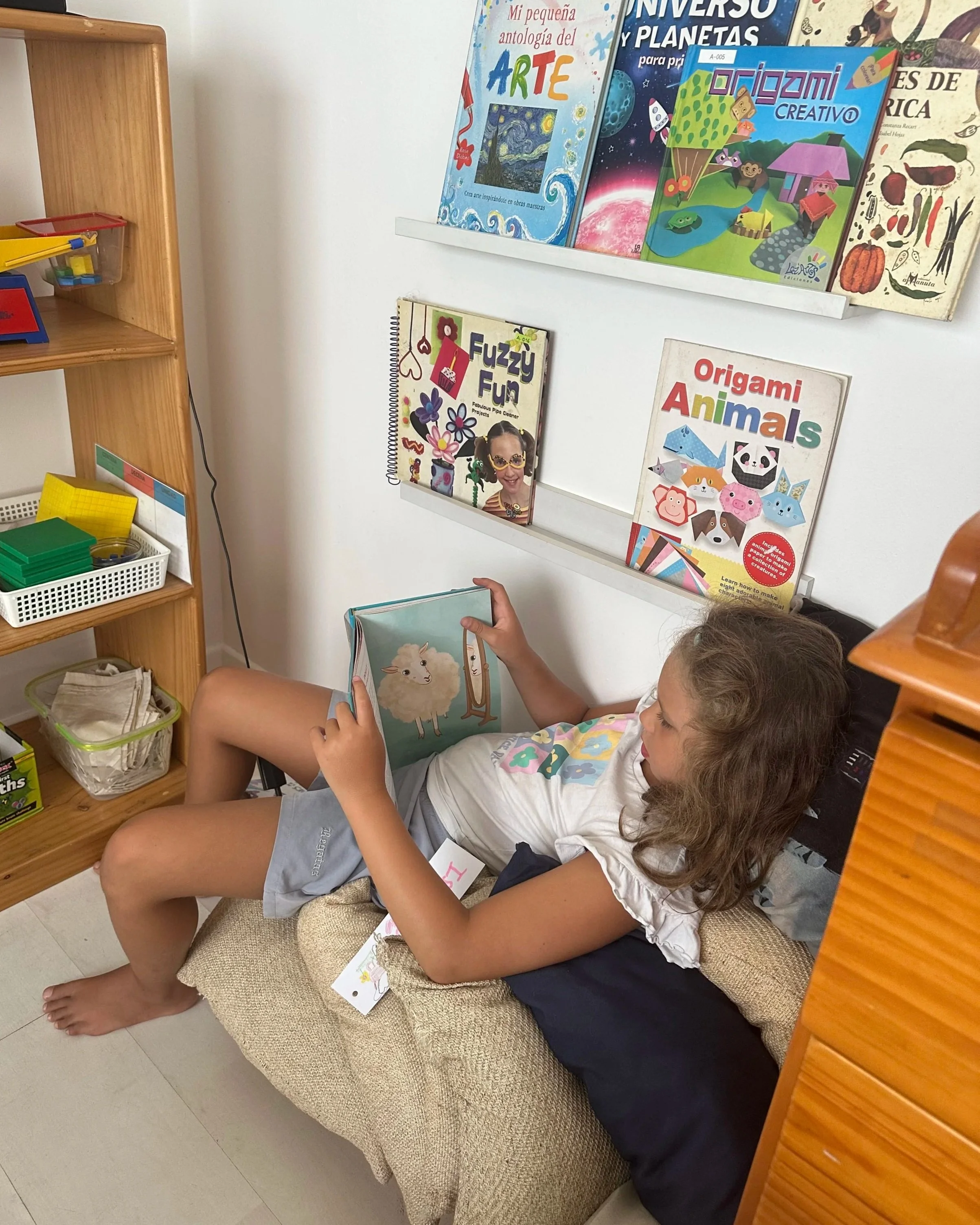
There are moments in the day that aren’t scheduled, announced, or planned, yet they end up shaping the atmosphere of the studio. One of those moments is D.E.A.R, Drop Everything and Read.
The invitation is clear and bold: pause whatever you’re doing and read. No option to “let me finish this first.” Just a quiet shift, choosing a book you are interested in and stepping into it.
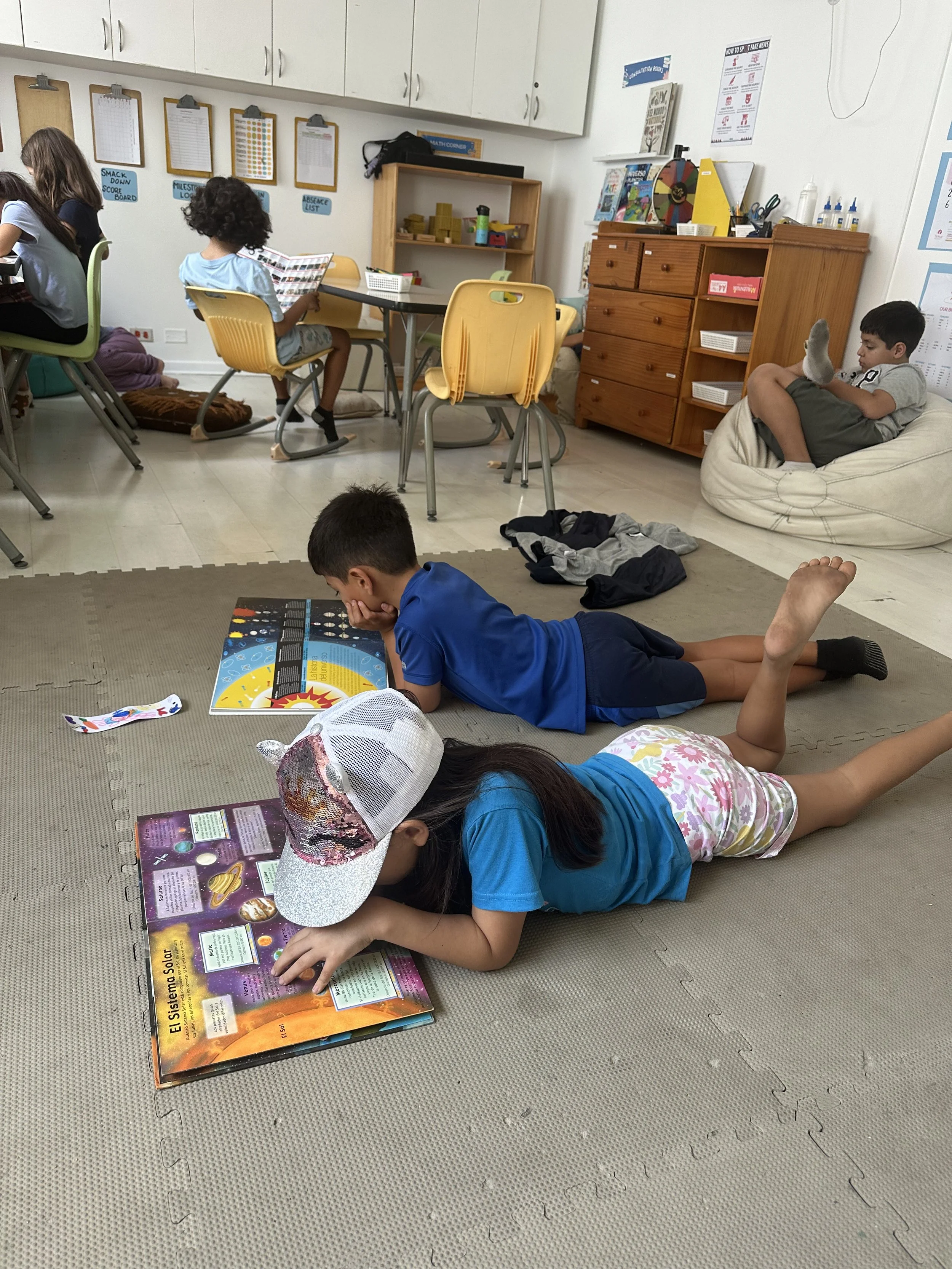
At first glance, it might seem like a pause in learning, but over time it reveals itself as something else. A moment where the noise softens and attention turns inward. As a guide, you can almost feel the transition: from movement to stillness. From conversation to quiet focus. Each Puma enters that space in their own way. Different books. Different rhythms.
In more traditional settings, reading is often guided by clear goals such as comprehension, analysis, and outcomes. And while those goals matter, they can sometimes overshadow something more subtle and yet essential: the personal relationship with reading. What emerges when a child follows curiosity instead of instruction?In the studio, what we begin to notice is that Pumas want to keep reading.
Some settle in quickly. Others take a moment to find their space. But gradually, a shared rhythm appears. And when the moment comes to an end, it’s not unusual to hear a quiet resistance, “Already?” As a guide, this practice has also been an invitation to rethink assumptions. To loosen the idea that every meaningful learning moment must be structured or measured. To trust that genuine interest carries its own direction. To observe what unfolds when space is given rather than filled.
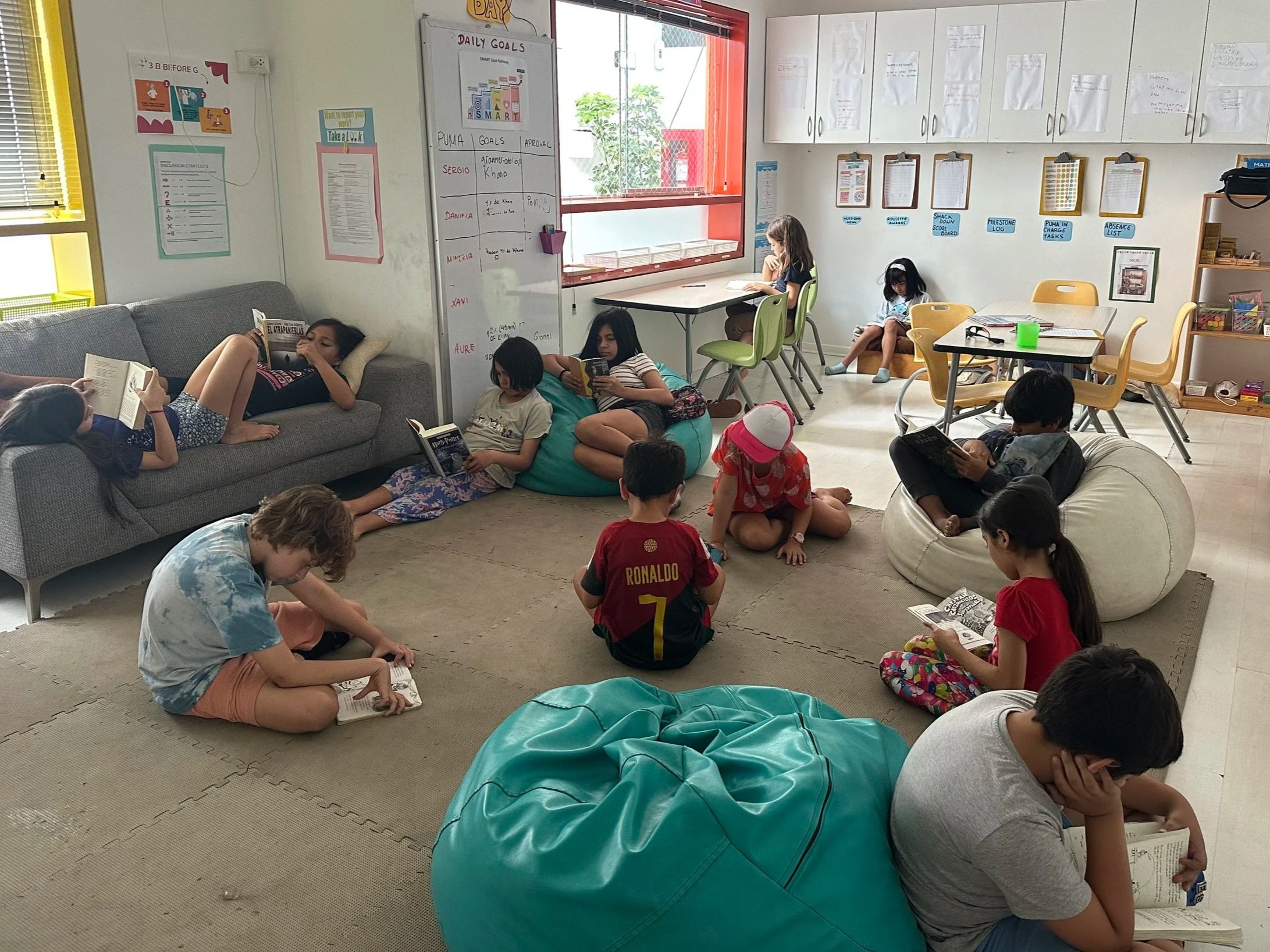
When DEAR finishes, Pumas often return to their work with greater focus. With a calmer, more grounded energy. With a renewed sense of direction toward the goals they’ve set. It’s as if this intentional pause allows something to settle and something else to emerge.
So the questions begin to shift. Can reading be a way to rest? Can it also be a way to reconnect with ideas, with imagination, with oneself? What role does enjoyment play in learning? When was the last time we read simply for the sake of reading? Maybe it’s about creating space for something quieter, deeper, and more lasting: the discovery that reading is not something you have to do, but something you might genuinely want to return to.